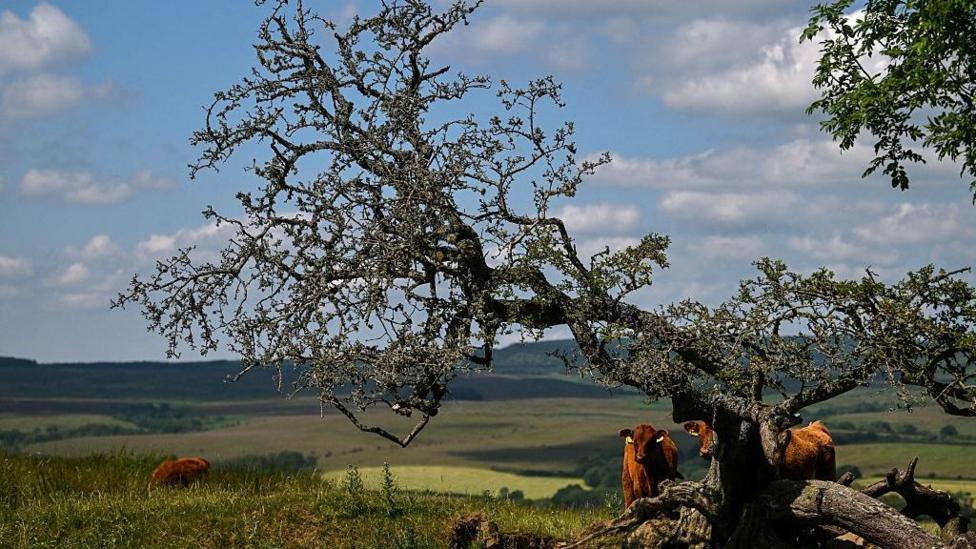
A conservation campaign to purchase the 9,500-acre Rothbury Estate in Northumberland has reached £29 million following a £1.9 million pledge from the UK government. The Wildlife Trusts and Northumberland Wildlife Trust are attempting to acquire the full estate to boost local wildlife, restore peat bogs, and support sustainable farming practices.
Conservation Vision and Grant Details
The government grant was announced on Monday at the UN Global Biodiversity Conference (COP17) in Armenia. The window for public contributions to the £30 million appeal remains open until the end of this week, supported by high-profile figures including Sir David Attenborough alongside donations from philanthropists, charitable funds, and thousands of individual supporters.
Craig Bennett, chief executive of the Wildlife Trusts, stated that the funding would “take us another step closer to realising our vision for one of the largest nature recovery projects England has ever seen.” He described the grant as a “stamp of approval” for the effort.
If the purchase is successfully completed, the trusts plan to establish a 40-mile nature recovery corridor stretching from the North East coast to Kielder near the central Scottish border. The environmental project would also alter agricultural management on the site, reducing sheep numbers from 1,500 to 500 while quadrupling the cattle herd to 200.
Divisions in the Local Farming Community
The conservation charities previously secured a portion of the land, including the Simonside Hills, in 2024 from Lord Max Percy, son of the Duke of Northumberland. However, the drive to acquire the remaining acreage has drawn mixed reactions from local residents.
Tenant farmer Chris Armstrong, who manages 1,000 acres near the property, told the BBC that public opinion in the area is sharply divided over the initiative. Armstrong compared the local sentiment to the Brexit vote and stated, “I think the majority of the farming community see this as a folly.”