Table of Contents
A growing industry aimed at removing atmospheric carbon through ocean geoengineering is facing increased scrutiny following the adoption of the first international regulatory framework. Proponents argue these technologies are necessary to combat the climate crisis, while critics warn that more scientific research is urgently needed.
Ocean Alkalinity Enhancement in Halifax
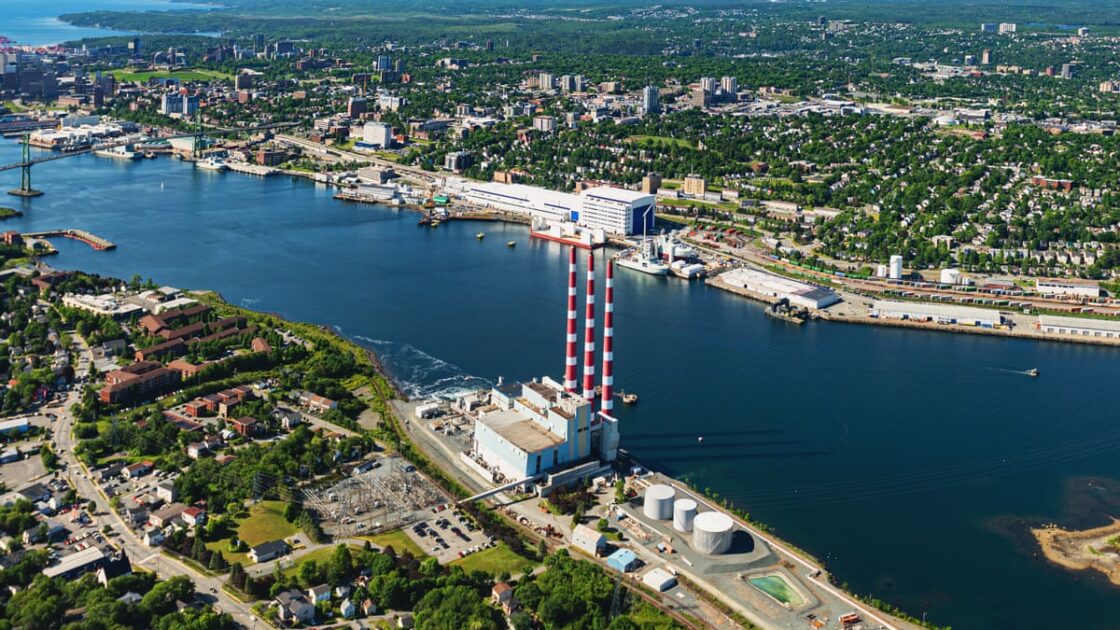
In Halifax harbour, Nova Scotia, Planetary Technologies is working to decrease excess atmospheric carbon by speeding up naturally occurring carbon cycles. The company conducts ocean alkalinity enhancement, adding a chalk-like substance to seawater that enables it to absorb and store more carbon dioxide.
Dr Greg Rau, co-founder and senior scientist at Planetary Technologies, stated, “This is what Mother Nature has done naturally for a few billion years in order to rebalance the atmospheric and ocean chemistry over long timescales.” The process also helps offset ocean acidification, which is increasing rapidly alongside global temperature rises.
Operating out of a shipping container five days a week, the firm adds an alkaline slurry to a local power company’s cooling water, discharging the resulting composite into the harbour while monitoring it with sensors. Backed initially by small government grants and private capital, the firm now generates revenue by selling millions of dollars in carbon-removal credits to corporations such as JPMorgan Chase and Shopify.
International Framework and Regulatory Concerns
Ocean carbon removal has attracted more than $500m in investments since 2021, according to Ocean Carbon Removal Watch. In October, the International Maritime Organization adopted the first international framework officially acknowledging three major techniques: ocean fertilisation, ocean alkalinity enhancement, and biomass sinking.
Adopted during the annual meeting of the London convention and protocol in London, the framework urges a cautionary approach. The IMO stated that further scientific research is required before activities beyond the research stage can be considered, though it acknowledged growing commercial and public interest.
Fatima Candace Vahlsing, vice-president for climate at Ocean Conservancy, stated, “The IMO assessments are sending a strong signal to governments and industry alike that this is something that we, as a global community, prioritise.”
Despite this, conservationists and scientists fear the private sector is moving too fast. Brad Ack, chief executive of Ocean Visions, noted that the sector requires significant public investment to establish rules and standards, pointing out that government funding has increasingly dried up.
Scientific Warnings and Environmental Risks
Nova Scotia has become the world’s largest ocean alkalinity-enhancement centre, hosting other private entities such as CarbonRun and pHathom Technologies, alongside research initiatives. However, as field trials multiply globally, legal experts warn that unclear maritime laws create opportunities for actors to exploit regulatory gaps.
Researchers also caution that base materials used for alkalinity enhancement are not uniform. Nina Bednaršek, a senior scientist at Slovenia’s Jožef Stefan Institute, warned that trace metals in cheaper mining byproducts can have toxic effects on zooplankton and other marine life at the base of the food chain.
Bednaršek is currently collaborating with the Intergovernmental Panel on Climate Change to develop a methodology for accounting for carbon removal. Lisa Levin, professor emeritus at California’s Scripps Institution of Oceanography, added that most existing research has focused on ocean chemistry rather than comprehensive environmental risk assessments.
Conversely, industry advocates contend that excessive legislation will delay the scaling of an urgent sector. Rau argued that conservationists often react negatively to any unusual intervention, stating, “They need to understand that we’re beyond that point here – we are damaging the ocean. You can put all the fences you want around a certain area of the ocean, but it’s going to warm and it’s going to acidify.”