Table of Contents
The shock resignation of Nvidia CEO Jensen Huang is raising urgent questions about whether turmoil at the chipmaker could spread through the interconnected financial network supporting the artificial intelligence boom, as reported by US Top News and Analysis (cnbc.com). Major problems at Nvidia could cause far-reaching economic damage because the company has made hundreds of billions of dollars in financial commitments to other firms, earning it the moniker of the “central bank of AI.”
Financial System Risks and Regulator Scrutiny
US Top News and Analysis (cnbc.com) reported that financial institutions and the Federal Reserve are closely monitoring the AI buildout for any events that could destabilize the global financial system, with Fed officials discussing potential asset repricing risks as early as July. A repeat of the 2007-2008 financial crisis remains unlikely, according to former regulatory officials and analysts. Former Federal Deposit Insurance Corp. head Sheila Bair stated that Nvidia is not vulnerable to a sudden loss of customer confidence like a troubled bank and possesses massive equity as a cushion, though she noted that “Nvidia going down would be a pretty seismic event” and urged regulators to watch bank exposure closely.
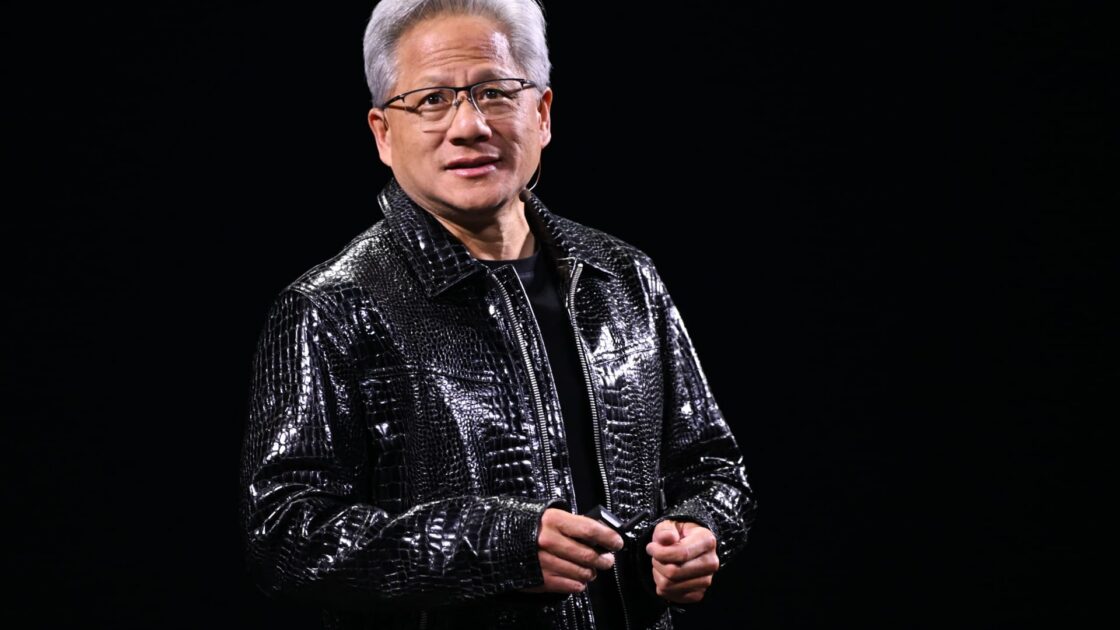
Huang stepped down Thursday following two extramarital affairs, including one involving a woman reported by The New York Times as suspected of spying for China. Huang had led the company since co-founding it in 1993, and Nvidia named CFO Colette Kress as interim CEO while declining to comment. The company’s stock dropped 33% from its October 6 peak through Thursday morning ahead of its earnings report on Tuesday, where analysts expect revenue to double this fiscal year and roughly double again over the next two years according to LSEG data.
Circular Financing and Tech Sector Leverage
Finance officials remain anxious about a potential simultaneous reversal of the factors driving the AI boom, such as falling GPU values that could question whether companies can pay off debts used to buy them. International Monetary Fund assistant director Jason Wu stated that economic markets and the financial sector stand on the same leg, meaning a drawdown could create reinforcing effects across both. Wu authored an October IMF report warning that hyperscalers grew from 1% to 10% of bond issuance in the $15 trillion investment-grade debt market over two years, while hedge funds and retail investors take on additional debt.
US Top News and Analysis (cnbc.com) noted that Nvidia sits at the center of this ecosystem through circular financing, having committed to buy up to $36 billion in cloud services from neoclouds to ensure chip demand and ease their financing. Neoclouds like CoreWeave and IREN have experienced recent financial stress, with CoreWeave credit-default spreads nearly doubling between October 1 and November 5, and IREN seeing a 23% drop in a 2029 convertible bond.
Guarantees and Future Market Competition
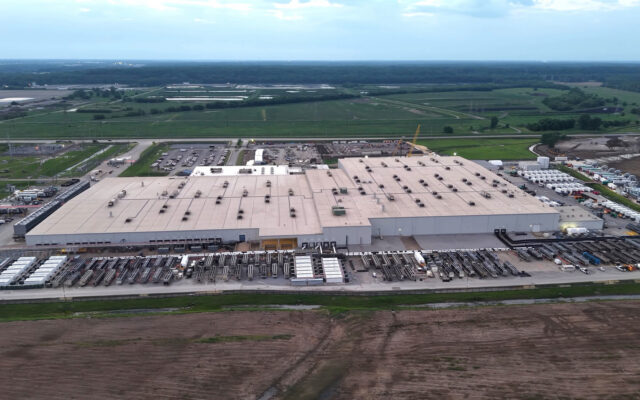
Nvidia’s other commitments include a $105 billion phased guarantee for an OpenAI and SB Energy data center project in Ohio and a backstop for up to $125 billion of a $500 billion credit program by Wall Street firms. Columbia Business School finance professor Stijn Van Nieuwerburgh estimated these overall obligations at $400 billion, which he described as a small fraction of Nvidia’s roughly $3.9 trillion market capitalization.
While neocloud equity prices recovered while Nvidia’s shares fell, indicating investors view Nvidia’s problems as company-specific for now, Van Nieuwerburgh told US Top News and Analysis (cnbc.com) that central bankers meeting in Basel, Switzerland, remain very anxious about AI trade risks. Over time, alternative chip development efforts by AMD, Broadcom, Intel, Google, Microsoft, and OpenAI could replace Nvidia’s products and cap potential economic fallout.