Table of Contents
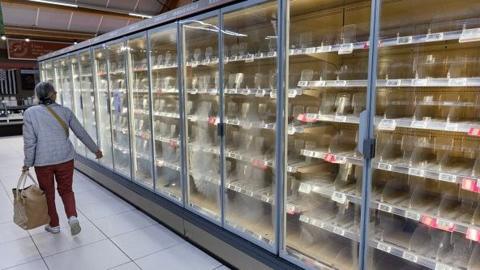
Droughts and wildfires during the summer served as a wake-up call, and upcoming winter flooding could leave the food supply in Wales highly vulnerable, an expert has warned. BBC News reported that Wales currently imports the vast majority of its fruit and vegetables, with only six percent of the produce served in its schools grown domestically.
Vulnerabilities in the Centralised Food System
According to Duncan Fisher, co-founder of the organisation Our Food Trust, the country relies heavily on produce from regions around the world that are prone to fires and droughts. Despite 90 percent of Wales being used for agriculture, only about 0.1 percent is currently dedicated to horticulture. Growers at Fisher’s Wern Farm near Newtown, Powys, stated that this balance must change to help the country survive climate change, conflicts, and other global supply chain disruptions.
Fisher noted that vegetables are imported from vulnerable areas such as southern Europe and North Africa. He also referenced comments made in October by Defence Secretary Wes Streeting, who advised people to keep water, tinned goods, baby food, torches, and mobile phone charging packs ready for emergencies. Fisher added that the United Kingdom relies on an incredibly centralised food system where 95 percent of food is purchased through nine supermarkets. He explained that the system operates on a just-in-time basis with no local storage, leaving food stored only in moving lorries and creating a security hazard vulnerable to cyber-attacks.
Barriers to Local Farming and Housing
Fisher and Sue Holbrook established Our Food Trust approximately a decade ago to increase local food production for nearby markets. They discovered that a primary barrier to expanding operations was the lack of stable housing for farmers. Fisher explained that farmers must live on-site to respond quickly to high winds or escaped livestock before damage occurs, but planning regulations have traditionally made building homes on farmland very difficult.
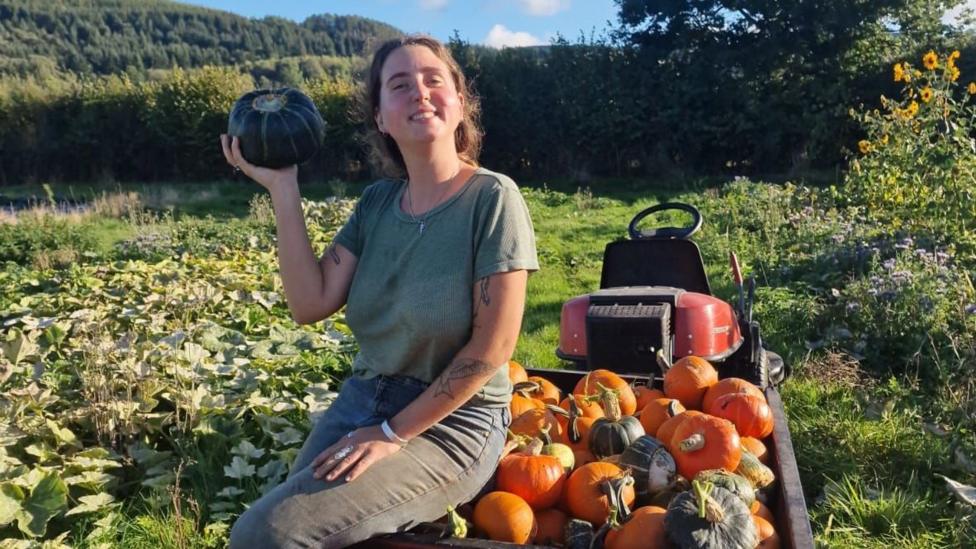
By collaborating with the Powys council and the Bannau Brycheiniog National Park Authority, the organisation successfully built three temporary homes for farmers on 36 acres of council-owned land, with three additional homes currently under construction. Lydia Dibben, a 28-year-old grower at Wern Farm, agreed that land access remains a major obstacle for new farmers, noting that without provided housing she would need another job to afford rent and would lack the time required to farm.
Dibben managed just over an acre of land this year, producing 50 vegetable boxes a week, attending four farmers’ markets a month until October, and supplying regional and national wholesale. She believes many others want to do similar work if given access to land and affordable housing, adding that people in the UK mistakenly thought they could avoid climate challenges and simply grow peaches and grapes.
Extreme Weather Impacts on Crops
Dibben described the past summer as her most difficult in five years of farming, noting that she worked grueling hours starting at 5:00 AM until extreme heat forced her indoors around 11:00 AM. Work inside polytunnels became impossible by 9:00 AM, requiring her to wait out the heat until 5:00 PM before resuming work until midnight to water the crops. She faced severe water scarcity issues, stating that crops grew slower and remained stunted despite receiving as much water as possible.
While she does not expect every summer to be identical, Dibben anticipates more hot weather and unpredictable events like flooding. She believes large-scale farms producing wheat, barley, beef, and sheep will remain necessary, but envisions a positive future if a farm similar to theirs operated every 10 miles across Wales.
In response to these concerns, the Welsh government stated that significant progress has been made on a national food strategy aimed at creating a more sustainable, integrated, and resilient food system, which includes a focus on growing more fruit and vegetables locally. Meanwhile, the UK government’s Department for Environment, Food and Rural Affairs (Defra) acknowledged the hurdles faced by growers, highlighting efforts to reduce planning red tape, invest £200 million to help farmers trial crop-boosting technology, and enhance supply chain resilience.