Table of Contents
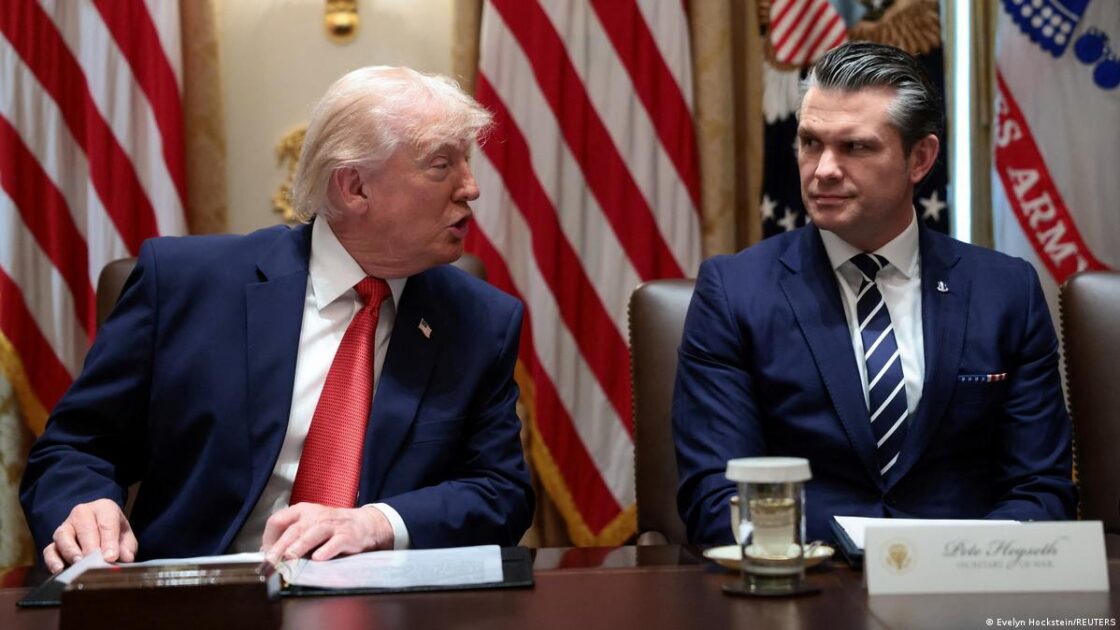
US Secretary of War Pete Hegseth recently dismissed failed impeachment efforts against him as “farce” and “sabotage.” While the case regarding unauthorized military action in Iran did not succeed, experts suggest it may signal a broader trend of impeachment attempts, potentially including a third effort to impeach President Donald Trump.
Understanding the impeachment process
In the United States, impeachment is a constitutional mechanism that allows the legislature to bring charges against elected officials or judges. While these are not criminal proceedings, a successful conviction can result in the removal of the accused from office. The process begins in the House of Representatives and moves to a trial in the Senate, where both sides may cross-examine witnesses.
A conviction requires a two-thirds majority in the Senate, a high threshold that is difficult to reach in the current partisan political climate. Because of this requirement, impeachment is rarely successful; since 1799, only eight individuals—all judges—have been successfully impeached and removed.
Impeachment as a political tool
Experts note that impeachment is increasingly used as a signaling device rather than a realistic path to removal. Frank O. Bowman III, a law professor at the University of Missouri, told DW that this tactic has become more common during the Trump-Biden era. Keith Whittington, a professor at Yale Law School, added that this partisan approach was not the original intent of the founders.
“Congress has tended to take an extremely partisan approach to making use of the power. That has doomed any possibility of conviction and removal,” Whittington told DW. He noted that while the founders recognized the potential for partisan conflict, they did not intend for the power to be used as a weapon for political messaging.
The prospect of a third Trump impeachment
Following recent midterm results, Democrats are set to control both houses of Congress, increasing the possibility of a third impeachment attempt against Donald Trump. The president was previously acquitted in 2020 on charges of abuse of power and obstruction of Congress, and again in 2021 for incitement of insurrection.
Bowman, who consulted on both previous cases, believes the public perception of impeachment has been “significantly devalued” because previous attempts failed to result in removal. He suggested that Democrats should prioritize practical legislative goals rather than rushing to impeach the president. However, Whittington noted that if Democrats want to succeed, their best strategy would be to negotiate with Republican senators to secure the necessary bipartisan support.
Targeting the administration
Beyond the president, there is growing interest in impeaching members of the Trump cabinet. Resolutions have already been filed against Health and Human Services Secretary Robert F. Kennedy Jr. and Education Secretary Linda McMahon, while Attorney General Todd Blanche may also face scrutiny.
Whittington explained to DW that Democrats will face significant pressure from their base to pursue these cases. Bowman suggested that targeting cabinet members could serve as a strategic alternative to attacking the president directly. “You could eliminate cabinet officers, as a means of making a point to the administration, that: ‘OK, we’re not going to come after the big man himself, but if the rest of you minions insist on doing bad stuff, we will take you out,'” Bowman said.
Why convictions remain rare
The primary barrier to conviction remains the two-thirds majority rule, which has not been held by a single party since the mid-1960s. However, experts emphasize that the success of an impeachment should not be measured solely by a conviction. Whittington noted that the threat of impeachment is often enough to pressure officials involved in scandals to resign voluntarily.
While some officials choose to face the trial process, the threat itself remains a powerful tool in American politics. As the new Congress prepares to take office, the use of these procedural maneuvers remains a central point of tension in Washington.