Table of Contents
Human rights organizations and legal experts in Sri Lanka are raising alarms over a proposed counterterrorism bill, warning that it could suppress civil liberties and mirror the controversial legislation it aims to replace. The government, led by President Anura Kumara Dissanayake, argues the new law is necessary to combat modern extremist threats, but critics fear it grants excessive power to authorities.
Concerns over the proposed PSTA
The government has introduced the Protection of the State from Terrorism Act (PSTA) to succeed the existing Prevention of Terrorism Act (PTA). The current PTA has faced decades of criticism, with opponents alleging it has facilitated arbitrary detentions and the torture of detainees. While the government maintains that a robust law is required to address complex extremist activities, activists argue the new draft remains deeply flawed.
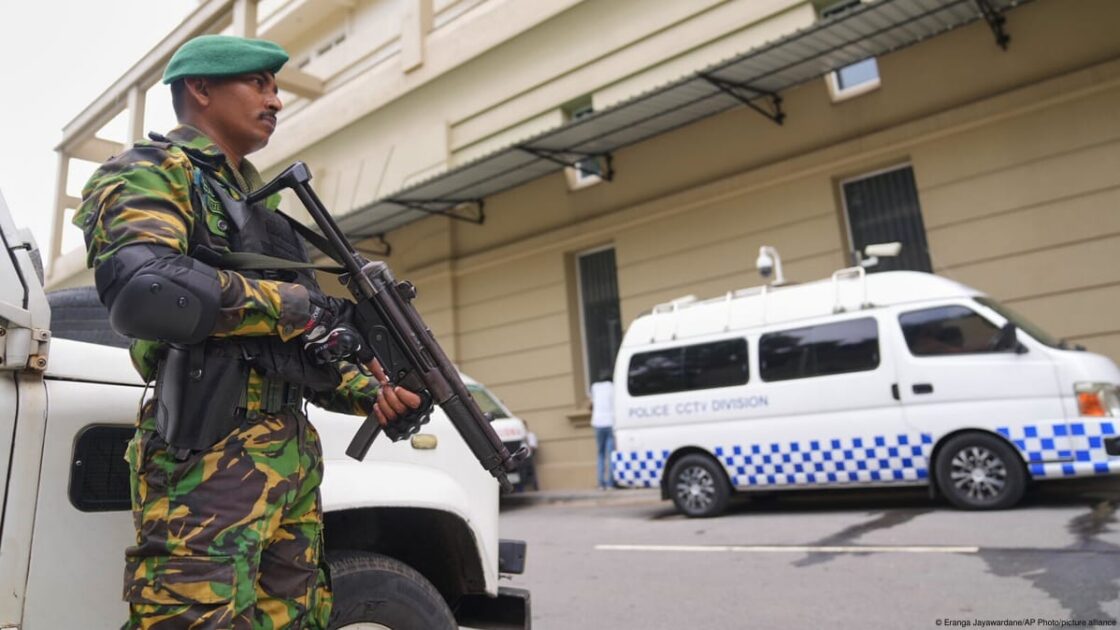
Critics point to an overly broad definition of terrorism, limited judicial oversight, and expansive powers granted to law enforcement. Under the proposed bill, security forces would be authorized to stop, search, and question individuals based on “reasonable suspicion,” as well as seize property. Visakesa Chandrasekaram, a human rights lawyer and film director, told DW that the bill’s lack of clarity regarding the term “terrorism” is highly problematic and risks violating fundamental human rights.
Chandrasekaram further warned that the legislation would grant police powers to the military. He noted that the military is neither trained for criminal investigations nor equipped to protect the rights of those under scrutiny, potentially leading to the “militarization” of law enforcement.
Impact on free speech and democratic rights
Legal experts suggest the PSTA may not represent a significant departure from the previous law. Lawyer Dhanushka Silva told DW that despite campaign promises to repeal the PTA, the new bill appears to be a “replica” that could be used to stifle dissent. Silva highlighted that Section 9 of the PSTA could subject social media activity to intense scrutiny, with individuals facing up to 15 years of imprisonment for sharing content deemed to be a terrorism offense.
“This is a big blow to freedom of speech in a democratic society like ours,” Silva said. Conversely, government spokesperson Nalinda Jayatissa rejected these concerns, insisting that the legislation would not compromise press freedom or civil liberties.
International scrutiny and economic risks
The United Nations Office of the High Commissioner for Human Rights (OHCHR) has urged the Sri Lankan government to ensure the bill aligns with international human rights standards. While acknowledging some improvements over previous drafts, the UN stated that the PSTA still carries over several shortcomings from earlier legislation and must include stronger protections against torture, enforced disappearances, and coercive interrogation.
The legislation also carries significant economic implications. The European Union has signaled that Sri Lanka must uphold its human rights obligations to maintain its status under the Generalized Scheme of Preferences Plus (GSP+), which provides preferential market access. A failure to meet these standards could lead to the suspension of these benefits, potentially resulting in economic penalties for the country.
The bill has already faced legal and parliamentary hurdles. During a debate on November 12, Speaker Jagath Wickramaratne noted that certain provisions were inconsistent with the constitution. Additionally, the Supreme Court has reviewed the bill and proposed several amendments, stating that Parliament may proceed with the measure once those changes are incorporated. A date for the parliamentary vote has not yet been set.