A series of recent reports and government updates in Germany have highlighted declining public satisfaction with democracy, rising security concerns, and major adjustments to national budgets and social policies.
Record-Low Satisfaction With Democracy and Rising Harassment in the Military
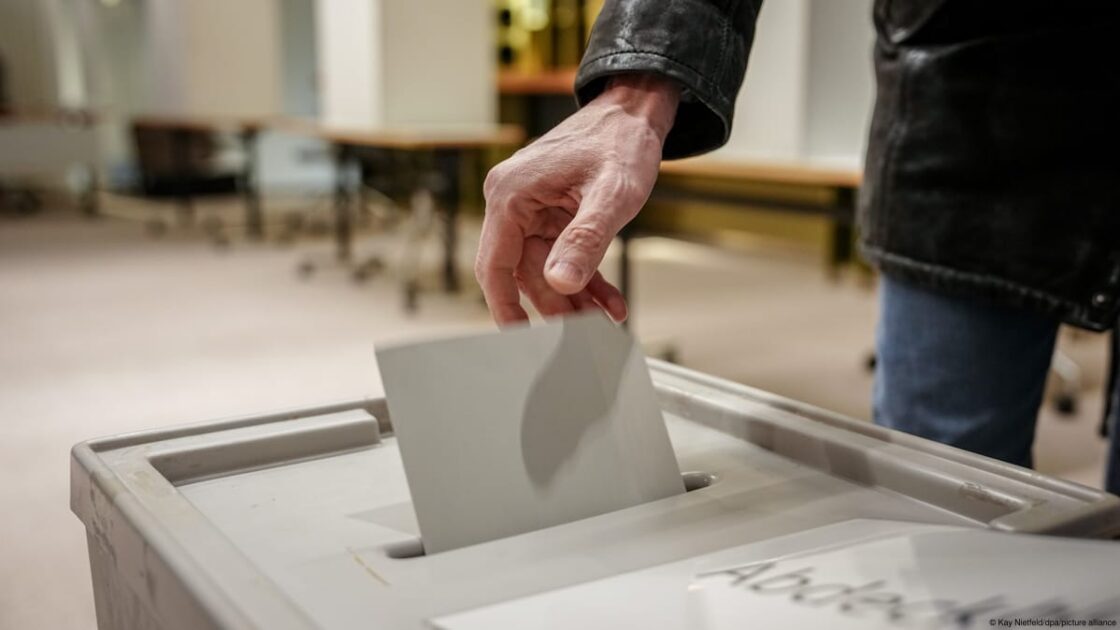
Just one-third of respondents stated they were satisfied with the state of democracy in Germany, according to a new report from the Leipzig Authoritarianism Study conducted by the Else-Frenkel-Brunswik-Institut at the University of Leipzig. This figure represents a sharp drop from 42.3% in 2024 and marks the lowest level since the study began in 2002. In former East German states, satisfaction fell even further to 22.8%. While 89.3% of respondents still agreed with the general concept of democracy, this metric dropped below 90% for the first time.
At the same time, a survey released by the German Defense Ministry revealed that sexual harassment remains a significant issue within the Bundeswehr. The data showed that 38% of female soldiers and 16% of male soldiers experienced sexualized verbal harassment over the previous 12 months. Defense Minister Boris Pistorius stated that the ministry applies a zero-tolerance policy toward such behavior. In response to separate security concerns, the German military also confirmed a ban on the use and training of Chinese-made drones, opting to replace them with domestic or European alternatives.
Budget Adjustments, Inflation, and Cybercrime Warnings
Germany’s governing coalition agreed to drop several planned cuts to social benefits, including a supplement for low-income families, during discussions regarding the 2027 federal budget. Officials also delayed a tax on sugary drinks by six months to January 2028 and postponed a plastic packaging tax. Meanwhile, preliminary figures from the Federal Office of Statistics showed that year-on-year inflation for October decreased to 2.8%, down from 3.3% in September, aided by a government fuel subsidy.
In Berlin, the president of Germany’s Federal Criminal Police Office (BKA), Holger Münch, warned that criminals are increasingly leveraging artificial intelligence, noting that crimes directed from abroad rose by nearly 24% in the first half of the year. Interior Minister Alexander Dobrindt announced that Germany is preparing legislation to enable active cyber defense. Additionally, the German Council of Economic Experts warned of growing uncertainty surrounding US tariffs following recent political shifts, which could impact the German export sector.
The Bundestag’s budget committee is scheduled to finalize changes to the spending plan ahead of a full parliamentary vote at the end of November.