Table of Contents
ExxonMobil, the largest United States oil company, is exploring a potential return to Venezuela nearly two decades after departing the South American nation. The company signed a memorandum of understanding with the Venezuelan government and state-owned oil firm Petróleos de Venezuela, S.A.
A Shift in Stance Following Legal and Regulatory Changes
The memorandum of understanding is a non-binding agreement focused on examining potential upstream opportunities for oil exploration and production. ExxonMobil confirmed the agreement in a statement, noting it welcomes the chance to evaluate these possibilities with the Venezuelan government and PDVSA.
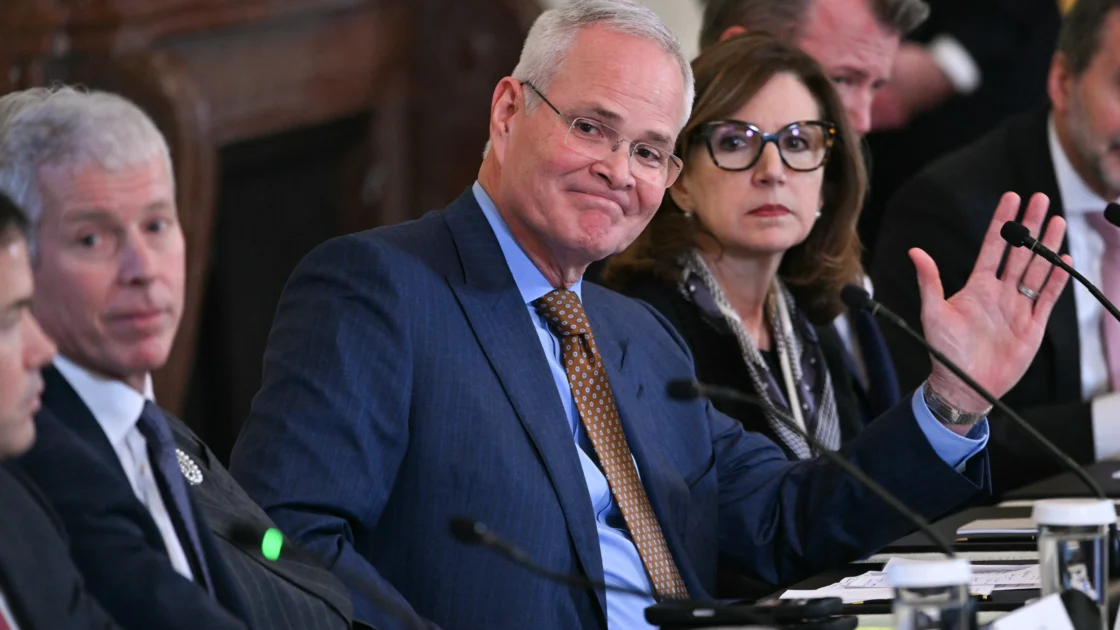
This development marks a notable shift from earlier this year. In January, following actions by the Trump administration involving Venezuelan President Nicolás Maduro, President Trump urged U.S. oil executives at a White House meeting to invest in the country. At that time, ExxonMobil CEO Darren Woods publicly described Venezuela as uninvestable.
Venezuela subsequently overhauled its petroleum legislation this year to attract international oil companies by permitting private firms greater operational control in partnerships and reforming taxes and royalties. The country has also facilitated operations for other U.S. energy companies, including Chevron and Continental Resources.
Cautious Approach and Historical Context
Despite signing the memorandum, ExxonMobil executives remain cautious. During an analyst call last month, Woods acknowledged progress on fiscal frameworks, legal systems, and investor protections, but emphasized that considerable work remains.
The company’s statement describes the memorandum as a meaningful first step, while stressing that any future investment depends on stable policies, clear regulations, strong investment protections, and competitive returns.
ExxonMobil has a long history in Venezuela dating back to the 20th century as a successor to Standard Oil. Relations deteriorated starting in 2004 when then-President Hugo Chávez renegotiated contracts and nationalized company assets, prompting ExxonMobil to exit the country in 2007. Following years of international arbitration, a U.S. court ordered Venezuela to pay ExxonMobil over $985 million in September 2025 for those past expropriations.
Environmental and Regional Considerations
Energy analysts speaking to NPR suggest ExxonMobil might target oil fields in the Orinoco Belt, a region rich in reserves where the company previously operated. However, political science professor and oil industry researcher Paasha Mahdavi from UC Santa Barbara notes that extraction in this area creates significant greenhouse gas emissions, specifically high levels of methane.
Mahdavi tells NPR that these emissions are a critical component of the global climate narrative. Additionally, ExxonMobil holds major oil investments in neighboring Guyana, an emerging global oil producer that has ongoing territorial disputes with Venezuela concerning oil rights.