Table of Contents
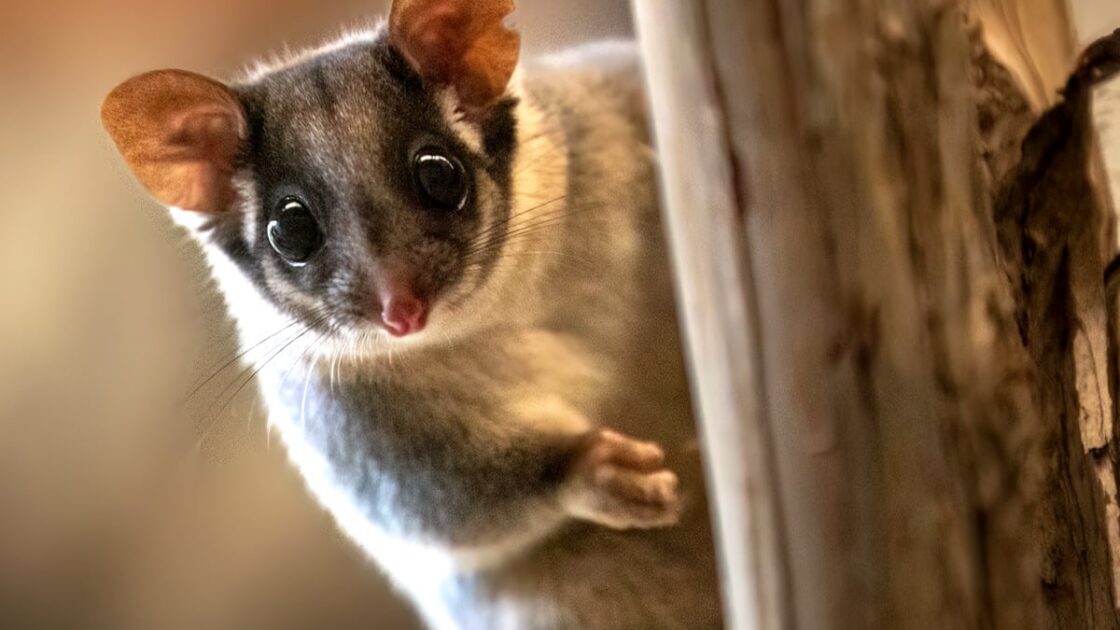
With only 13 animals left in the wild, conservationists have intervened to save Victoria’s critically endangered Leadbeater’s possums by moving the remaining population to a newly established sanctuary. The acrobatic marsupials, known as forest fairies, faced imminent extinction at their last remaining wild refuge due to declining habitat and predators.
The Decline at Yellingbo
The lowland Leadbeater’s possums have experienced a steep population drop at the Yellingbo conservation area, located about 50km east of Melbourne. Numbers fell from over 110 individuals recorded in 2003 down to 20 to 30 over the past decade. Ecologists reported that nearly half of the remaining possums vanished between October and June, likely falling victim to predators.
The situation prompted Zoos Victoria ecologists to evacuate the last wild possums to Healesville Sanctuary, marking a brief period where the subspecies was effectively extinct in the wild, as explained by Dr Dan Harley, a senior ecologist at Zoos Victoria. The tiny, gecko-toed creatures are Victoria’s animal emblem and rely on cool, wet, dark forest environments with dense thickets of paperbarks and tea trees, which have largely vanished due to historic state logging and bushfires.
A New Neighborhood at Haining Farm
In late October, nine possums comprising six lowland, two highland, and one hybrid were released into a specially developed refuge at Haining Farm, with more scheduled to move in during 2027. Parks Victoria, working alongside Greening Australia, government bodies, and community partners, spent eight years restoring the floodplain by hand-planting 900,000 trees, shrubs, and grasses across cleared farmland at the confluence of the Yarra and Don rivers.
The refuge features a 3.6km fence designed to permit human visitors while excluding foxes and feral cats. Because the restored forest is still young and lacks ancient tree hollows and established food resources, the zoo has provided supplementary feeding platforms, nest boxes, and artificial runways to support the territorial and serially monogamous animals.
Broader Conservation Challenges
Harley estimates that at least 220 hectares of suitable habitat will be necessary to sustain the lowland subpopulation, noting that the sanctuary alone cannot fully secure the future of the subspecies. The species was previously thought to be extinct until its rediscovery in the 1960s.
Prof David Lindenmayer from the Australian National University, who has studied the species for over 40 years, criticized the state government for failing to establish the proposed Great Forest national park in the central highlands. Lindenmayer stated that the ongoing failure to expand national parks threatens the survival of the state’s official faunal emblem.