Table of Contents
More than 50,000 people have been displaced following deadly border clashes in Ethiopia’s Moyale area, forcing thousands to flee into neighbouring Kenya. The violence has left communities struggling with severe shortages of food, shelter, and medical supplies while straining local resources on both sides of the border.
Escalating Crisis and Difficult Journeys
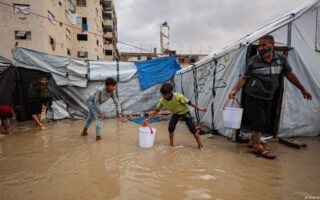
Hawa Hassan fled her home after it was burned down during the violence, describing harrowing accounts of the conflict to Al Jazeera, including witnessing a 13-year-old girl shot near a wall. The trek into Kenya proved brutal for many families, with some women giving birth during the flight and newborns forced to sleep on bare floors. Diarrhoea has begun spreading among the arrivals, while families also face the looming threat of malaria as mosquito populations grow.
An initial government-led assessment estimated that nearly 36,000 people were displaced as of late October. Malik Adan, the Kenya Red Cross regional head, stated during a meeting that this number had subsequently climbed past 50,000, encompassing those in temporary settlements and individuals housed by relatives and host families. The assessment involved government authorities, United Nations agencies, and humanitarian groups, though a final independently confirmed total has not yet been established.
The armed conflict stems from a long-standing territorial and administrative dispute between Ethiopia’s Oromia and Somali regional administrations. Tensions flared in mid-October over the raising of the Somali regional flag in Moyale. For the displaced families, however, political disputes remain secondary to immediate survival needs.
Strained Aid and Regional Response
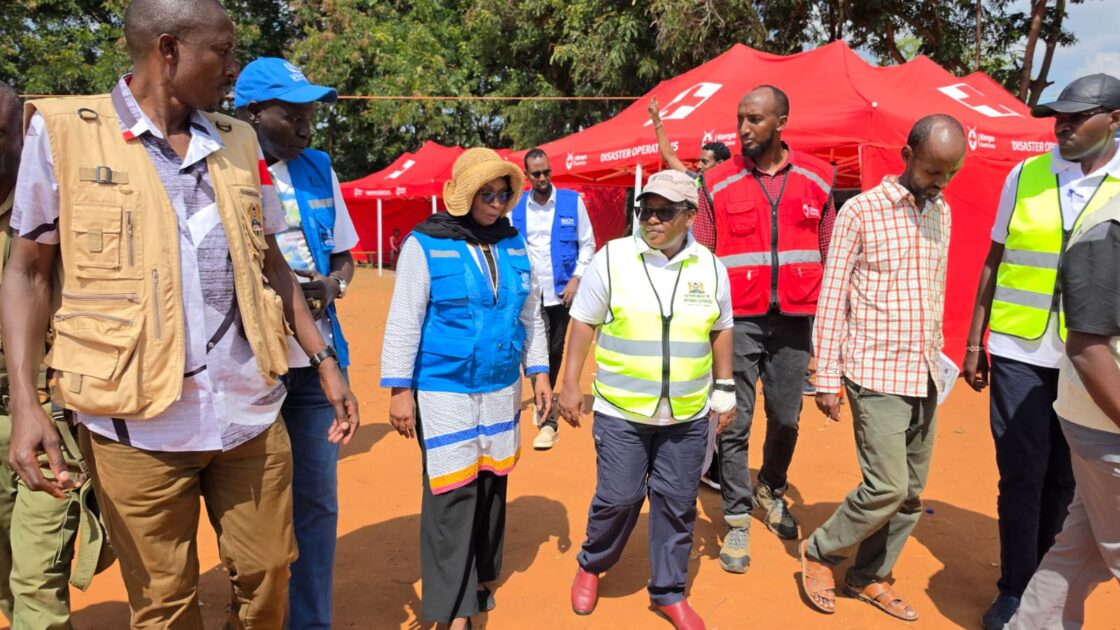
Mwasaru Mercy, Kenya’s acting commissioner for refugee affairs, told Al Jazeera that a multi-agency government team alongside the Department of Refugee Services and the UNHCR had been deployed to Moyale. Mercy noted that gunfire could still be heard, creating persistent fears of further displacement and complicating relief efforts because no specific contingency food stocks were available for the sudden crisis. Authorities are working to register arrivals, though a formal refugee camp has not yet been established until the security situation stabilizes.
Fatima Mohammed Cole, the UNHCR representative in Kenya, highlighted that the majority of those arriving are women and children spread across multiple locations. Cole echoed calls for a ceasefire to allow families to return home safely as crowded conditions heighten health risks. Meanwhile, relief efforts are also operating inside Ethiopia, where the Ethiopian Red Cross Society has distributed emergency shelter and household items valued at approximately 30 million Ethiopian birr ($182,970) to 1,000 households.
In Kenya, host communities are feeling the strain. Abdi Maalim, a member of the Moyale Cross-Border Peace Committee, told Al Jazeera that local families are feeding up to 30 people instead of the usual five or six, with some residents moving further inland after heavy weapons landed near their homes. The disruption has paralyzed local trade, stranding commercial trucks near the border for nearly two weeks, causing bank closures, and driving up prices by about 20 percent.
Wider Security Concerns
Security analyst Dr Abdiwahab Sheikh Abdisamad told Al Jazeera that the conflict has evolved beyond a local land dispute, exposing deeper ethnic divisions and political competition between Ethiopia’s regional administrations. He warned that armed fighters crossing the border and stray bullets transform the humanitarian emergency into a direct security challenge for Kenya.
Kenya’s Inspector General of Police, Douglas Kanja, announced that additional officers will be deployed along the border to bolster security. During a November 5 visit to Moyale, Kanja stated that Kenya is engaging the Ethiopian federal government to help resolve the conflict. He confirmed that approximately 10,000 people are staying in temporary shelters and public institutions, while noting casualties on both sides, including one Kenyan and one Ethiopian man who died from gunshot wounds.
Hassan expressed a desire to return home only when conditions become safe. Until then, thousands remain reliant on host communities and humanitarian organizations whose resources continue to be pushed to their limits.