Table of Contents
The world is on course for its hottest year on record as the planet is hit with warming from climate change and El Niño, scientists have told BBC News. The warning comes as world leaders and negotiators gather in Turkey on Monday for the opening of COP31, the latest UN climate summit.
Record-Breaking Temperatures Ahead
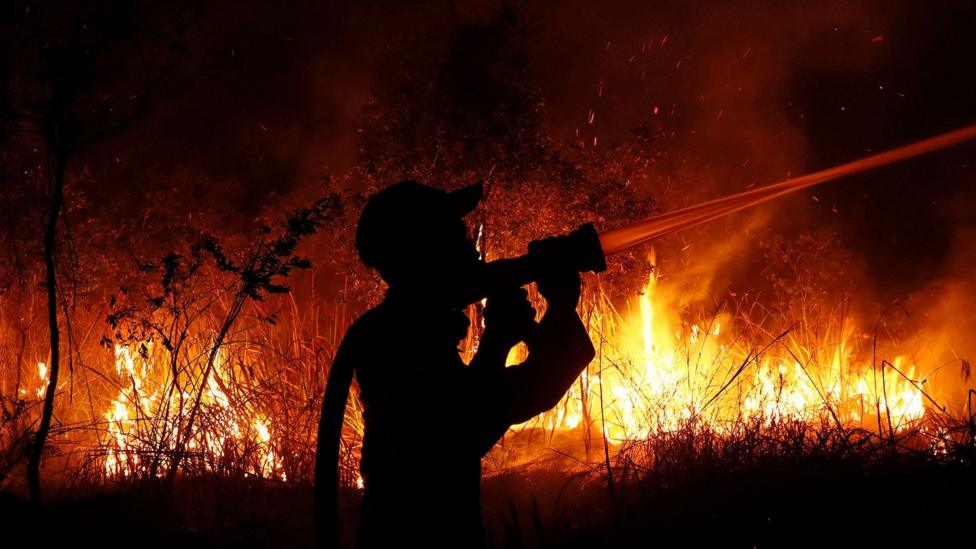
Berkeley Earth, the independent US research group behind the forecast, stated that even with two months of the year left it is 95% confident that 2026 will surpass the previous record set in 2024. The impact of rising heat has been felt acutely in recent months by countries attending COP, with extensive wildfires across Europe and the sudden glacier collapse in Nepal which killed more than 1,000 people. Dr Robert Rohde of Berkeley Earth noted that a run of record warm years is expected as global warming progresses, bringing glaciers collapsing, record-breaking heatwaves, and droughts.
The EU’s Copernicus climate service confirmed that October was the hottest on record, though Rohde warned this was only the beginning with potential for much larger and much more dramatic changes down the line. The main driver of rising global temperatures remains the increasing concentration of carbon dioxide in the atmosphere, largely caused by burning fossil fuels. The UN’s World Meteorological Organization (WMO) published its own report forecasting that 2026 will be among the four warmest years on record, adding that 2027 will provide no let-up as an unusually powerful El Niño continues into next year to push temperatures higher.
WMO Secretary-General Celeste Saulo stated it gives new meaning to the phrase off the charts. Additional greenhouse gases added to the atmosphere have trapped extra heat, with about 90% of it absorbed by the oceans. Saulo explained that El Niño does not add new heat to the planet, but instead releases heat from the ocean, which is the warmest ever measured. The world is currently on track for 2.8C of warming above pre-industrial levels by the end of the century, all but guaranteed to exceed the goal of 1.5C set under the Paris Agreement to avoid the worst effects of climate change.
COP31 Negotiations and Global Challenges
The findings underline the challenge facing negotiators gathering in the seaside Turkish city of Antalya for COP31. While previous meetings focused on reducing emissions, an increasing number of nations now face the reality of having to do that alongside adapting to new weather extremes as the planet warms. Addressing delegates on the opening morning, UN climate chief Simon Stiell stated that no single COP is a silver bullet and no single conference can bridge the chasm between science and reality, while adding that the urgency of this moment must drive progress because global heating is already costing the Earth.
Countries will negotiate for two weeks with leaders, including Prime Minister Andy Burnham, attending the conference. Previous climate summits yielded new targets on cutting fossil funds, increasing money for developing countries, and forest protections. Although emissions continue to increase, countries have made significant progress in increasing renewable energy capacity. The International Energy Agency predicted growth in the next six years will be 57% greater than the previous period. Stiell noted that expanding renewable energy was both a climate and economic solution for recent energy shocks, stating that global renewables saved around half a trillion dollars last year.
The Turkish government stated it wants discussions this year to focus on a new goal for electrification by moving energy systems away from fossil fuels towards electricity and cutting waste levels. However, discussions are likely to split countries. Early drafts of the EU position seen by the BBC make clear they would only sign up to a goal on electrification if it did not allow countries to meet the target using gas, noting in a memo that it is important that progress on electrification is underpinned by clean energy sources. Conversely, nations such as Saudi Arabia and Russia previously pushed the interim use of gas as a cleaner fossil fuel alternative to coal. Celeste Saulo of the WMO stated she could not offer an explanation as to why countries previously failed to reach agreement on certain issues, but noted that the impacts of this lack of consensus generate more extreme events.
Domestic Policies and Funding Pressures
The BBC understands that the UK government is reluctant to set any new goals at COP31 and thinks the focus should be on achieving existing agreements. On Monday, it was reported that UK government electric vehicle targets are expected to be reduced in a move that risks the country’s long-term climate goals, according to sustainability groups. In September, the government was also criticised by MPs on the International Development Committee for cutting its aid budget, meaning it could not fulfil previous climate funding commitments.
Wealthier nations agreed at previous COP meetings to triple the amount of money going to developing countries to help them adapt to climate change to at least $85bn by 2035. Latest data from 2024 shows that countries reached about a third of that figure, but the UN stated this week that current damage from climate change is substantial and much more money could be needed. Many countries have redirected aid budgets toward defence spending and short-term financial relief for households as gas and oil prices spike following the Iran-US war. Governments are also expected to use the forum to discuss global AI policy, including the growing demand for energy and water resources from data centres underpinning the technology’s rollout.