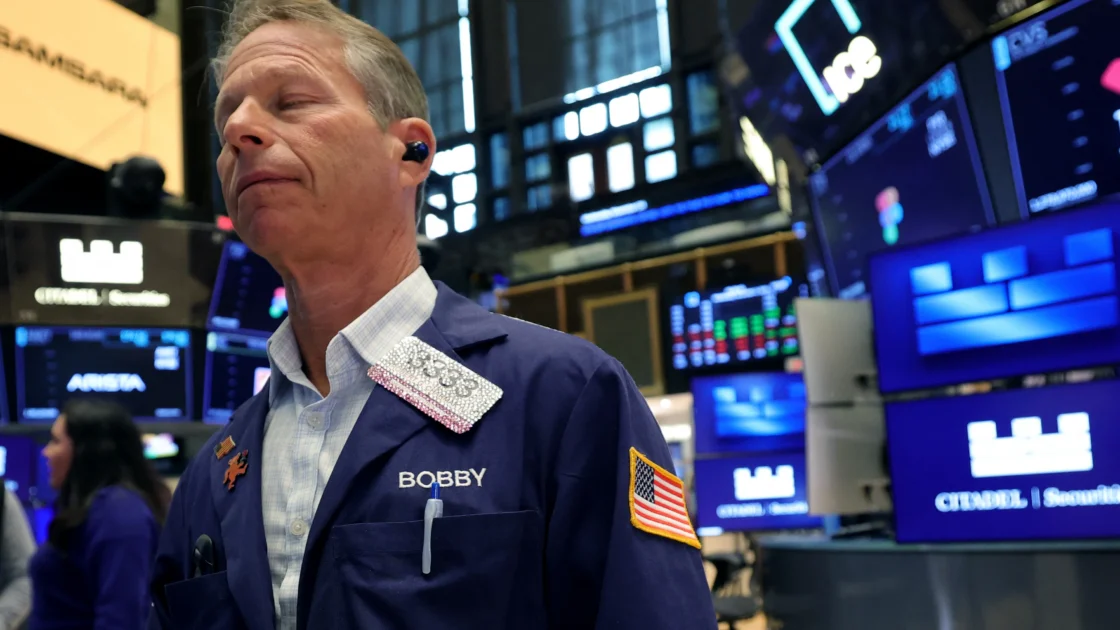
Stock markets suffered a massive sell-off as investors grew concerned that a newly empowered Democratic Congress and state officials would impose strict regulations on artificial intelligence and data centers. The tech-heavy Nasdaq dropped more than 5%, wiping out over $2 trillion in market value, while the Dow Jones and S&P indexes also experienced significant declines.
Market Reversal After Midterm Election Results
The steep market losses marked a sharp turnaround from the previous day when investors initially cheered the conclusive election results that prevented a prolonged period of political uncertainty in Congress. The market correction on Thursday stemmed from investor alarm over voters rejecting AI data centers, which have sparked widespread community concerns over heavy water and power consumption. Successful Democratic candidates campaigned on commitments to challenge the rapid expansion of these projects.
Major AI corporations such as Meta and Alphabet, the parent company of Google, rely heavily on expanding data center infrastructure to advance their technology. The sharp drop in the Nasdaq compounds a difficult year for technology shares on Wall Street, where market participants have grown increasingly skeptical about when massive corporate investments in artificial intelligence will generate profitable returns.
David Busch, chief investment officer of Trajan Wealth, stated that investors are anxious about looming regulatory measures targeting AI technology and strong local opposition to data center construction across the nation.
Impact on Musk Enterprises and Main Street Portfolios
Firms connected to artificial intelligence suffered heavy losses, with Tesla and SpaceX experiencing particularly steep declines. Billionaire Elon Musk had invested hundreds of millions of dollars trying to secure Republican victories, leaving investors worried that his businesses might face intense scrutiny when the new Congress takes office in January.
Regulatory challenges are not limited to federal lawmakers, as Democratic candidates who pledged to curb AI growth also triumphed in state-level contests, highlighted by Gina Hinojosa securing a surprise victory in the Texas gubernatorial race. Analysts remain uncertain whether the sharp sell-off in technology shares will persist or affect the wider market. Artificial intelligence has served as a major pillar of the U.S. economy, contributing to a robust 3.4% annual growth rate during the July-September quarter.
Beyond sophisticated institutional investors on Wall Street, ordinary Americans hold substantial stakes in AI enterprises through retirement vehicles such as 401(k) accounts and pension funds, exposing them directly to the risks of an extended market downturn.