Table of Contents
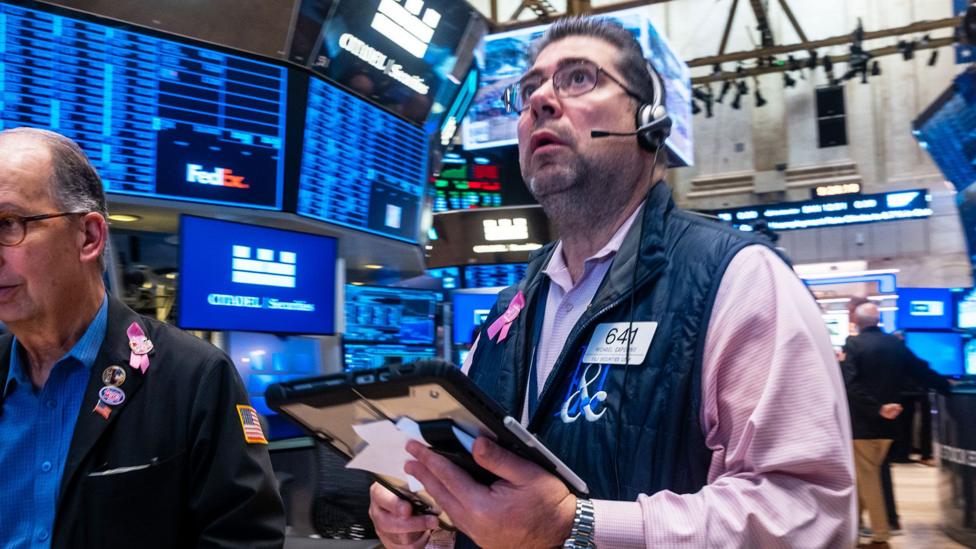
Global stock markets have experienced significant declines as investors question whether the artificial intelligence gold rush is coming to an end or simply facing a reality check. The recent sell-off in the United States hit the Nasdaq index particularly hard, affecting major technology companies including Alphabet, Nvidia, Meta, and Apple. This market drop followed the Democratic Party’s sweeping gains in the US mid-term elections, which granted the party full control of Congress.
The AI Boom and Growing Concerns
The modern artificial intelligence boom accelerated rapidly following the late 2022 release of ChatGPT by OpenAI, generating immense corporate and public interest. Investors poured massive amounts of capital into chipmakers, networking infrastructure, data center construction, and energy providers, driving tech company valuations to extreme heights. Research from Goldman Sachs projected that AI investments would reach $1 trillion in 2026 alone, drawing so much available cash that borrowing costs rose for other industries.
However, investors have increasingly sought tangible returns on these massive outlays, raising doubts about whether the boom can generate expected riches. These financial anxieties coincided with public warnings from AI researchers who cautioned that artificial intelligence could pose an existential threat to humanity, fueling speculation about impending regulatory clampdowns.
Democratic Opposition and Data Center Backlash
While the Trump administration strongly backed artificial intelligence, leading Democrats capitalized on grassroots worries regarding the rapid expansion of data centers. Communities raised concerns over the heavy water and electricity consumption of these facilities—which many feared would increase household utility bills—as well as noise, land usage, and local disruption. A Gallup poll from May revealed that 71% of Americans opposed building a data center in their community, compared to 53% who opposed a nuclear power plant.
Texas Senate winner James Talarico responded to this public scepticism during his campaign. “While we want to protect America’s leadership in artificial intelligence, we are still grappling with how it will affect everything from how we work to how our children learn,” he said, adding, “We must protect Americans and establish clear, consistent laws for businesses.”
With majorities in both houses of Congress, Democrats are positioned to challenge the administration’s technology agenda and introduce legislation restricting industry expansion. In Texas, Democratic governor-elect Gina Hinojosa campaigned against data centers by pledging a moratorium on new facility construction. Hinojosa’s victory could pose opposition to billionaire Elon Musk, who relocated major operations for Tesla and SpaceX to the historically Republican state and spent nearly $450 million supporting Republican midterm campaigns.
Future Outlook for Stock Markets
Tudor Brown, co-founder of British technology firm Arm Holdings, noted that stock values rely on future rather than present earnings. When expected rewards diminish, investors frequently decide to sell their holdings. Although the recent market drop was triggered by midterm outcomes, worries regarding overvalued technology firms predated the elections.
Nandini Roy Choudhury from Future Market Insights explained that investors are evaluating whether political shifts will lead to restrictions on data center construction, energy usage, and AI deployment. She stated that an immediate widespread recovery in tech stocks is unlikely, as traders adopt a more selective approach focused on companies with strong balance sheets.
Brown suggested the broader market impact will remain limited, explaining that share valuations were inflated by expectations of near-infinite AI growth that led to temporary panic. “There is a natural floor to this,” he stated, adding, “After that it will reflect I think that actually there’s still a lot of money being made in these companies.”