Table of Contents
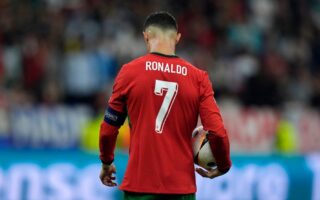
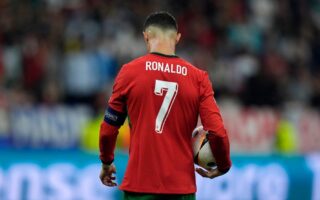
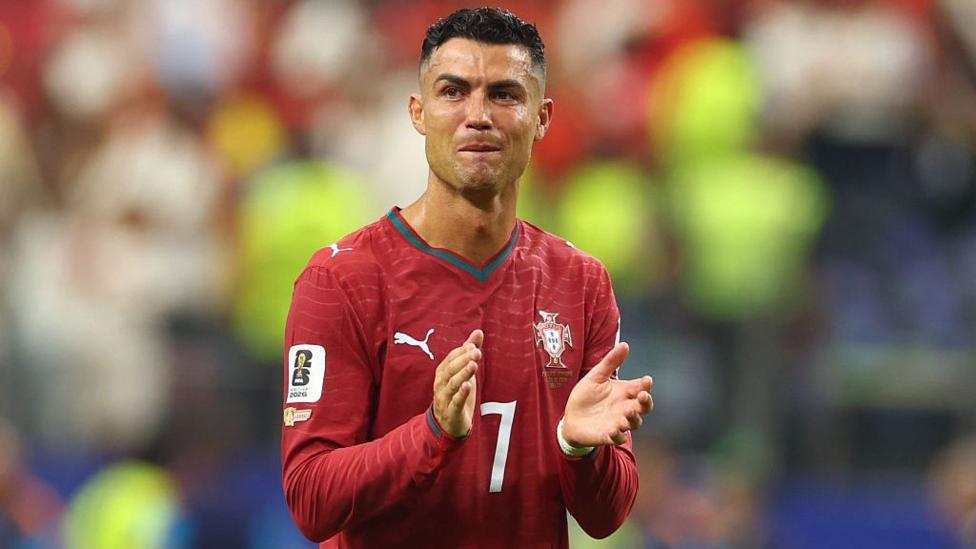
Cristiano Ronaldo has announced his retirement from international football, concluding a 23-year career with Portugal. The 41-year-old’s departure follows a period of tension with head coach Jorge Jesus, which resulted in a 30-day suspension and a 255-euro fine after the striker left a training camp without authorization.
A Controversial Exit
The disciplinary action stemmed from Ronaldo’s decision to leave the team after being benched for one match and informed he would not start the next. While Jesus stated the door remained open for the player, it became clear that Ronaldo was no longer an automatic starter—a role he historically struggled to accept. His final appearance for the national team took place on 24 September against Wales, bringing his career totals to 146 goals in 234 matches.
Despite the abrupt nature of his exit, Portugal has acknowledged his legacy as a global ambassador and an inspiration to millions. However, the circumstances surrounding his retirement have left a sense of bitterness among fans who hoped for a more celebratory conclusion to his tenure.
Early Years and Evolution
Ronaldo’s international journey began with a reputation for immaturity, characterized by flashy attire and a focus on individual flair. Former coach Luiz Felipe Scolari famously challenged the young player to change his attitude, promising him the captaincy if he matured. This growth was tested early when Portugal lost the Euro 2004 final to Greece, an experience that left a lasting impact on the teenager.
The national team became a pillar of support for Ronaldo, particularly following the death of his father in 2005. Choosing to play in a qualifier against Russia shortly after the loss, he found solace in the dressing room. He later referred to Scolari as a father figure, cementing the team’s role in his personal life.
Leadership and Legacy
Ronaldo’s influence on the squad grew significantly over the years, occasionally causing friction with managers such as Carlos Queiroz. Sociologist Joao Nuno Coelho notes that Ronaldo became a symbol of Portuguese identity, helping the nation gain international recognition during periods of economic hardship. While his ego and individualism were sometimes criticized, his performance on the pitch eventually silenced most detractors.
His leadership style evolved notably under Fernando Santos during the 2016 European Championship. Despite being injured early in the final against France, Ronaldo remained on the sidelines to encourage his teammates, eventually watching them secure Portugal’s first major title. He continued to set high standards for the team, leading them to a second Nations League victory in 2025.
Throughout his career, Ronaldo transformed Portugal from a talented side into a consistent tournament contender. Under current coach Roberto Martinez, he maintained a high scoring rate, netting 28 goals in 37 games. The Portuguese football federation has announced plans for a special tribute to honor his contributions, aiming to provide fans with the opportunity to celebrate a career that defined a generation of national football.