Table of Contents
A prominent celebrity has lost a High Court attempt to permanently block two media organizations from reporting allegations of sexual misconduct against him, though he will remain temporarily anonymous to allow time for a potential appeal.
High Court Rejects Permanent Injunction
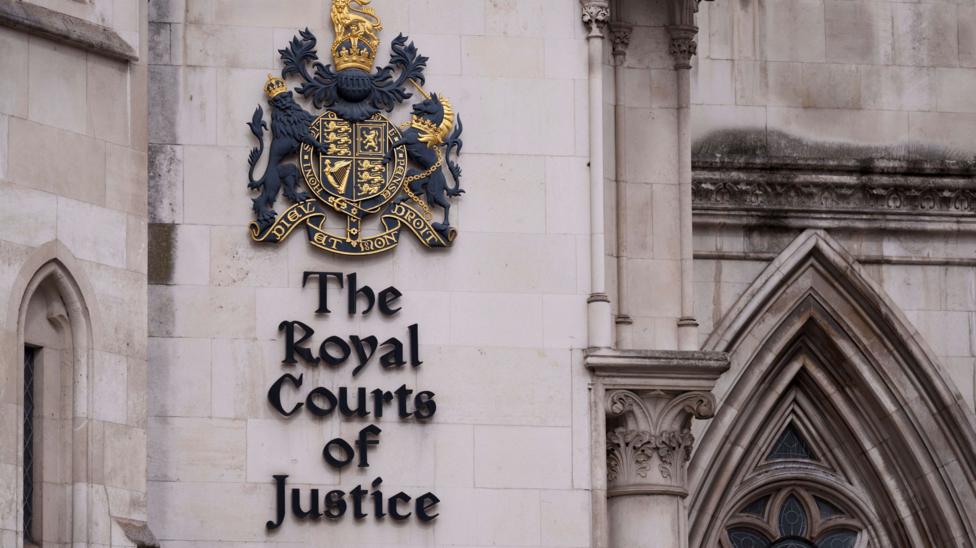
In a ruling delivered on Tuesday, Mr Justice Nicklin dismissed the claimant’s request for a permanent injunction against ITN and The Guardian. However, the judge ruled that a temporary injunction prohibiting the man’s identity and the details of the allegations from being published will remain in force while his legal team considers appealing the decision.
The judge clarified that the court did not determine whether the allegations against the man were true or false. He noted that dismissing the injunction claim did not serve as official approval for any future publication the media outlets might decide to make.
Legal counsel for the celebrity, Sara Mansoori KC, told the court that her client was “in a highly vulnerable position” and had not been able to instruct his legal team regarding an appeal. Under the court’s order, any formal application for an appeal must be lodged by 16:30 GMT on 9 November.
Public Interest Versus Human Rights Claims
The legal battle centers on allegations uncovered by an investigation conducted by ITN and The Guardian. The news outlets contend that there is a strong public interest in reporting claims that the individual abused his power and status to engage, or attempt to engage, in “inappropriate sexual activities with a large number of girls and young women.”
The man, who denies the allegations, argued that publishing the story would be “highly likely” to lead him to take his own life. During court proceedings, Mansoori stated that making the details public would have a “potentially fatal impact.” She told the court that the man had previously attempted self-harm after being approached by journalists and was subsequently detained in hospital for his protection before absconding and making a second attempt on his life.
Mansoori argued that these incidents were not caused by the allegations themselves, but resulted from “long-term trauma and the fear of trial by media.” The celebrity argued that publication would breach his rights under the European Convention on Human Rights, including protections regarding the right to life, freedom from inhuman or degrading treatment, and the right to private and family life.
Judicial Reasoning
Addressing the human rights arguments, Mr Justice Nicklin acknowledged that publishing the allegations would cause the man “acute and potentially prolonged mental suffering” and interfere exceptionally seriously with his private life. However, he concluded that established law did not impose a positive obligation on the court to prohibit publication to prevent that suffering.
The judge noted that while the claimant’s statements regarding self-harm must be taken seriously, they do not “establish that suicide is inevitable or that treatment cannot reduce the risk.” He added that no prior case law required the court to prohibit publication simply because it was aware of a self-harm risk.
In contrast, the judge emphasized that the proposed news stories involved serious allegations regarding the conduct of a prominent person and the alleged misuse of status and access concerning women and girls. He wrote that these were matters capable of making a significant contribution to public debate. As reported by BBC News, strict reporting restrictions and anonymity rules remain legally binding until the deadline for filing an appeal passes.