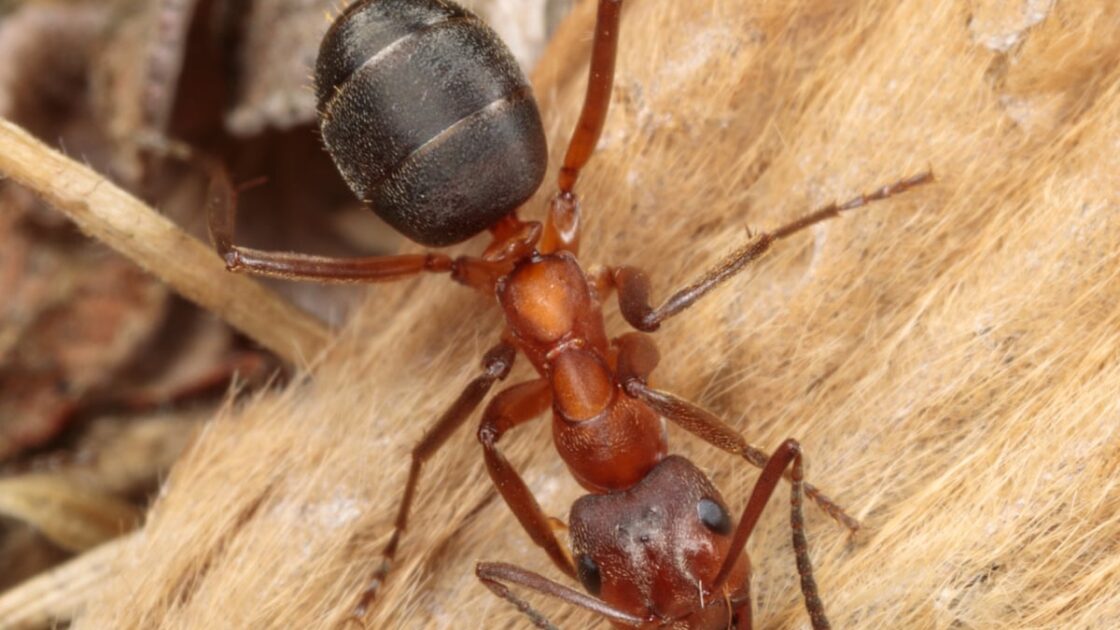
Conservationists have reported the theft of a nest containing up to 5,000 narrow-headed ants, England’s rarest ant species, from a nature reserve in south Devon. The Devon Wildlife Trust (DWT) stated that the colony was dug up from the Chudleigh Knighton Heath nature reserve, which serves as the final remaining habitat for the species in England.
Theft Discovered During Routine Checks
According to the DWT, conservation researchers discovered the theft during regular checks in mid-October. The researchers found a hole where a documented nest previously stood, alongside clear evidence of digging with a spade. A single nest typically houses between 1,000 and 5,000 ants and includes one or more breeding queens capable of living for up to 25 years.
Narrow-headed ants get their name from the unique pinched appearance of their heads and once thrived across southern England’s heathlands. Over the past century, their populations declined significantly due to habitat loss stemming from agricultural changes and construction developments. Currently, they hold classification as a section 41 nationally rare species and are listed as near threatened on the International Union for Conservation of Nature’s red list.
Investigation and Motives
Stephen Hussey of the DWT explained that the perpetrators possessed targeted knowledge. He stated that the thieves knew what they were searching for and required prior understanding of ant colonies to find the nest, noting that the locations are not obvious to untrained individuals. Hussey suggested the motive might have been an attempt to rewild the ants in former habitats, or alternatively, that the insects were taken by an insect collector.
Hussey described the action as reckless, explaining that moving ants and preparing new homes requires specific expertise. He added that while the organization has ambitions to relocate nests to new sites eventually, doing so demands extensive conservation effort, making the unauthorized relocation of a single nest unlikely to succeed.
Julia Balfour, the species recovery officer for narrow-headed ants at DWT, characterized the removal as a significant loss. She noted that narrow-headed ant colonies develop slowly and that each mature nest represents years of irreplaceable growth. Balfour compared the incident to illegal raids on wild bird eggs, emphasizing that losing even one colony reverses years of careful work by staff, volunteers, and partners.
The theft has been reported to Devon and Cornwall police, as disturbing or removing material from a nature reserve is illegal. In response, the DWT is reviewing security at the reserve and maintaining regular ant checks. PC Lucy Wyatt of the Devon and Cornwall police rural affairs team noted that sites of special scientific interest receive legal protection, making it a criminal offense to intentionally or recklessly damage, destroy, or disturb the protected area. Police have urged the public to submit any information regarding the theft through the Devon and Cornwall police website.