Table of Contents
North Carolina’s first congressional district race has become the most expensive in US history, with spending surpassing $52m amid voter frustration over storm damage and severe flooding. Conservative Democrat Don Davis is locked in a competitive rematch against Republican Laurie Buckhout, a contest heavily shaped by recent Republican redistricting efforts designed to favor conservative candidates.
Coastal Disasters and Infrastructure Struggles
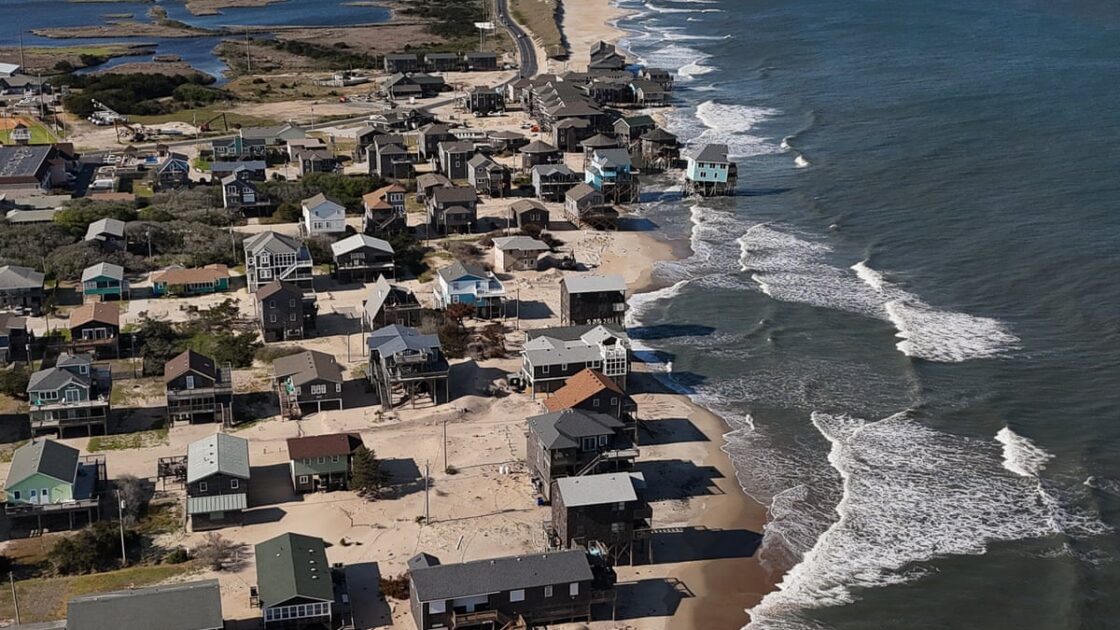
On the Outer Banks, residents face severe logistical hurdles as coastal storms wash out Highway 12, trapping communities and threatening local tourism economies. Aida Havel, a Dare county commission candidate, described a grueling multi-hour ferry commute due to road closures caused by beach houses collapsing into the sand. Although FEMA announced a $101m relief package for North Carolina on 22 October, which includes funds to demolish teetering structures, residents and local officials point to a lack of long-term planning for shorelines receding by more than 15ft every year.
Dare county traditionally leans Republican, and local party activist Craig Jones expects Buckhout to win the area due to conservative concerns over taxes, individual freedom, and Democratic policies. However, the broader 20-county district presents massive geographic challenges for campaigning, according to Tyrrell county commissioner Robert Thompson. The North Carolina legislature redrew the district lines to add rural voters along the Virginia border and coast, raising the Republican advantage from one point to roughly 10 points. Yet, rural voters remain widely dispersed compared to urban Democrats, compounding logistical hurdles.
Political Realignment and Candidate Positions
Davis has actively campaigned in coastal areas, contrasting his visibility with his predecessor, Greg Murphy. Davis holds the distinction of being the most conservative Democrat left in Congress, having broken with his party on border security, supported the Laken Riley Act, and backed a House resolution condemning socialism. His alignment with agribusiness interests against environmental mandates has helped him appeal to cross-party voters in a politically divided state.
William Mand, a retired US Navy sailor and registered Republican in Rocky Mount, stated that he split his ticket to vote for Davis, citing confidence in both candidates’ military backgrounds and a preference for Davis’s overall record. Conversely, Richard Joyner, a pastor and 100-acre vegetable farmer in Conetoe, expressed skepticism that federal politicians would bring systemic change, emphasizing the need for community sustainability, equity, and inclusion over political handouts.
Economic Pressures and Local Priorities
In Rocky Mount, a Democratic stronghold divided by railroad tracks between middle-class Nash county and underdeveloped Edgecombe county, economic recovery and healthcare access remain pressing concerns. Andre Knight, a city council member, noted that the 2023 closure of Martin general hospital in Williamston left residents hours away from emergency care, overshadowing national culture war debates. Lorenza Wilkins, the Democratic nominee for statehouse in district 25, echoed these sentiments, stating that affordability, grocery costs, childcare, and utilities are top concerns for voters navigating a deeply competitive political landscape.