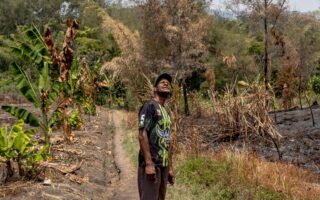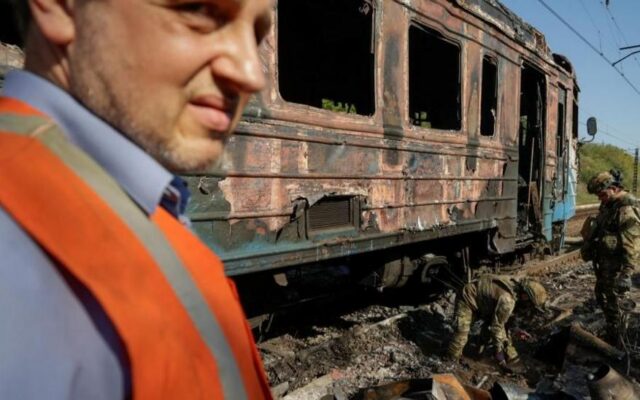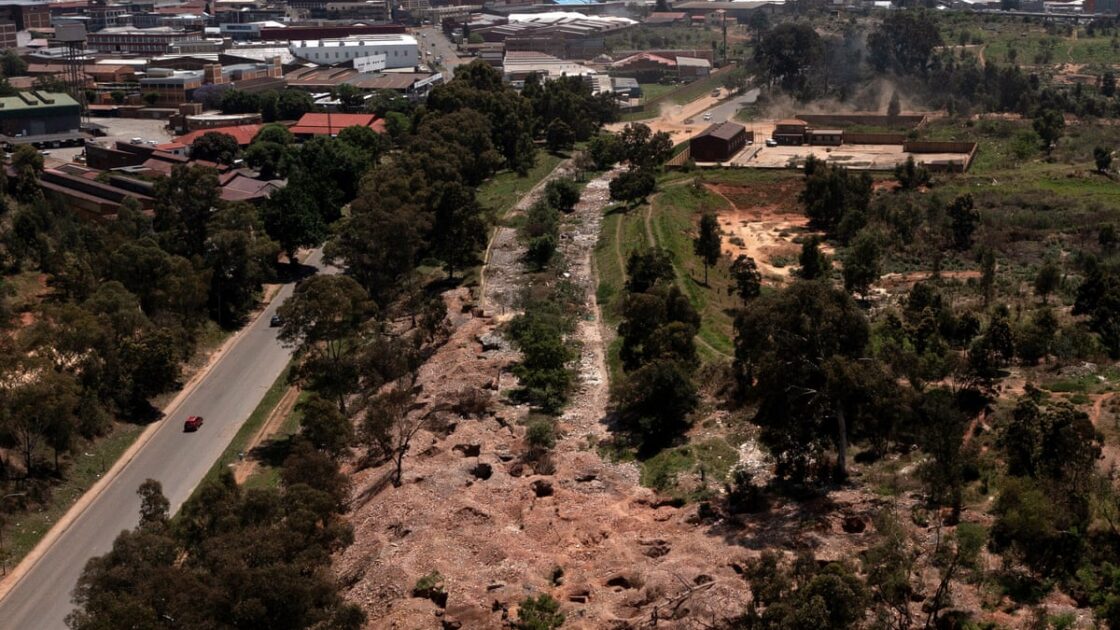
Illegal gold mining continues to thrive across the townships west of Johannesburg as soaring gold prices drive activity in abandoned mine shafts. Animal welfare worker Cora Bailey has witnessed this firsthand near Roodepoort, where zama zamas—the local term for illegal miners meaning “to take a chance” in Zulu—recently arrived to dig near her sanctuary and take water from its tanks.
The Scale of Illegal Mining
Bailey stated that local police told her the scale of the illegal mining operation was too large for them to manage effectively. Although police occasionally clear vegetation hiding the miners or announce dozens of arrests nationwide—such as 71 suspected zama zamas detained over a single week in October—researchers estimate the actual number of illegal miners reaches into the tens of thousands.
According to Marcena Hunter, a researcher at the Global Initiative against Transnational Organised Crime, an estimated tenth of South Africa’s gold production, valued at around $1bn, was exported illegally in 2019. Police operations have also turned deadly, including an incident in 2025 where 93 bodies were recovered from a mine shaft in Stilfontein after officers blocked food and water deliveries underground.
Driving factors behind the phenomenon include pervasive poverty, unemployment, corrupt politicians and police, high gold prices, and the failure of mining companies to properly seal shafts. South Africa’s rich mining history dates back to an 1884 gold rush, and the country remained the world’s leading gold producer for over a century until 2007. Mining minister Gwede Mantashe noted in response to a parliamentary question that there were 6,100 derelict and ownerless mines alongside 1,170 unsafe mine openings in 2025. Most zama zamas stepping into these voids originate from neighbouring countries, primarily Lesotho, Mozambique, and Zimbabwe.
Blame and Environmental Impact
Local politicians have increasingly blamed illegal miners for environmental destruction, including dangerous sinkholes. Kenny Kunene, a Johannesburg council member, led journalists on a tour of collapsed roadways like Wemmer Pan Road in May, attributing the damage entirely to zama zamas.
However, experts reject the notion that illegal miners are solely responsible for sinkholes. Rosalind Morris, an anthropology professor at Columbia University, explained that the porous dolomitic rock south and west of Johannesburg destabilizes when water is drained. She stated that formal industrial mining is the primary cause of sinkholes due to its massive dewatering operations removing hundreds of millions of gallons daily. While acknowledging that intensive zama zama activity in residual gold areas contributes to some structural collapses, Morris called the narrative that illegal miners single-handedly created the problem entirely fallacious.
Illegal miners are also frequently blamed for violent crime, such as a mass shooting in the Wedela township in September. David van Wyk, lead researcher at the Bench Marks Foundation, clarified that accountability rests with feuding gangs controlling access rather than the workers themselves, describing underground miners as super-exploited cheap labor.
In the township of Khutsong, local youth activist Vusi Cele noted that illegal miners help sustain the local economy by paying rent. Cele, who currently sells phone accessories above ground, expressed that he would mine underground himself if he could legally obtain a license, explaining that surface jobs yield very little income compared to underground work.