A massive security breach has impacted approximately $6.3 billion in cryptocurrency, marking the largest crypto hack in history. As the incident unfolds, major industry players and regulatory authorities are rushing to respond to the fallout.
Suspected Culprits and Security Response
Investigators have pointed toward state-sponsored actors as the potential force behind the attack. TRM Labs stated that several elements of the operation mirror previous North Korea-linked heists, including earlier incidents in 2026. Chainalysis similarly attributed the breach to the North Korean cybercrime group TraderTraitor, basing its assessment on on-chain activity immediately following the theft.
In response to the crisis, Binance temporarily suspended withdrawals to overhaul its security systems and revoked affected address authorizations. Binance co-founder Yi He confirmed that while deposits continue to operate normally, the exchange is collaborating with law enforcement and blockchain firms to trace and recover the stolen assets, with withdrawal services expected to resume within 48 hours.
Binance stated that it found no evidence of a wallet private key leak and promised a comprehensive technical post-mortem report once investigations conclude. Meanwhile, other major crypto firms such as Circle Internet Group, Tether, and Ripple moved quickly to freeze funds connected to the breach.
Regulatory Fallout and Industry Context
The incident highlights ongoing security vulnerabilities in the digital asset sector, which has experienced numerous high-profile exploits in recent years, including major losses at Bybit and Bitget.
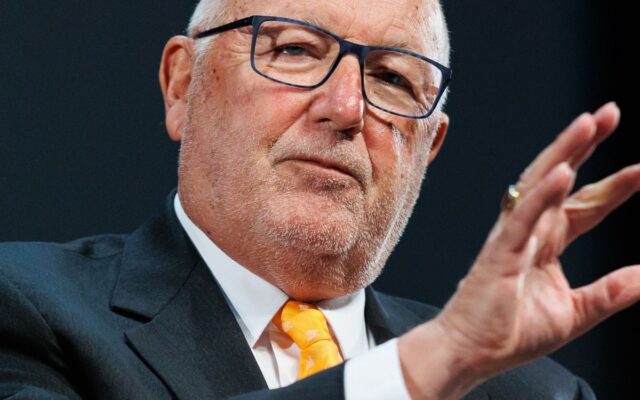
Michael Selig, chairman of the Commodity Futures Trading Commission, stated during a CNBC interview that the breach validates the agency’s recent push for market regulations. The U.S. derivatives regulator proposed a framework to bring crypto exchanges under federal oversight after Congress failed to pass specific legislative measures.
Selig emphasized that the core problem stems from unregulated offshore exchanges lacking standard financial market safeguards. He added that the agency aims to provide a federal registration option subjecting these platforms to strict cybersecurity standards.