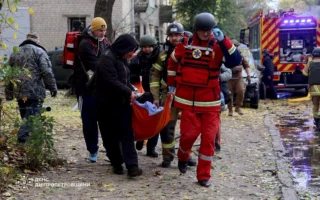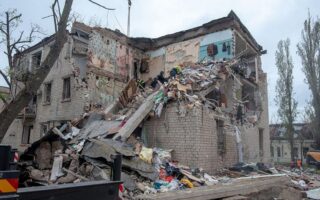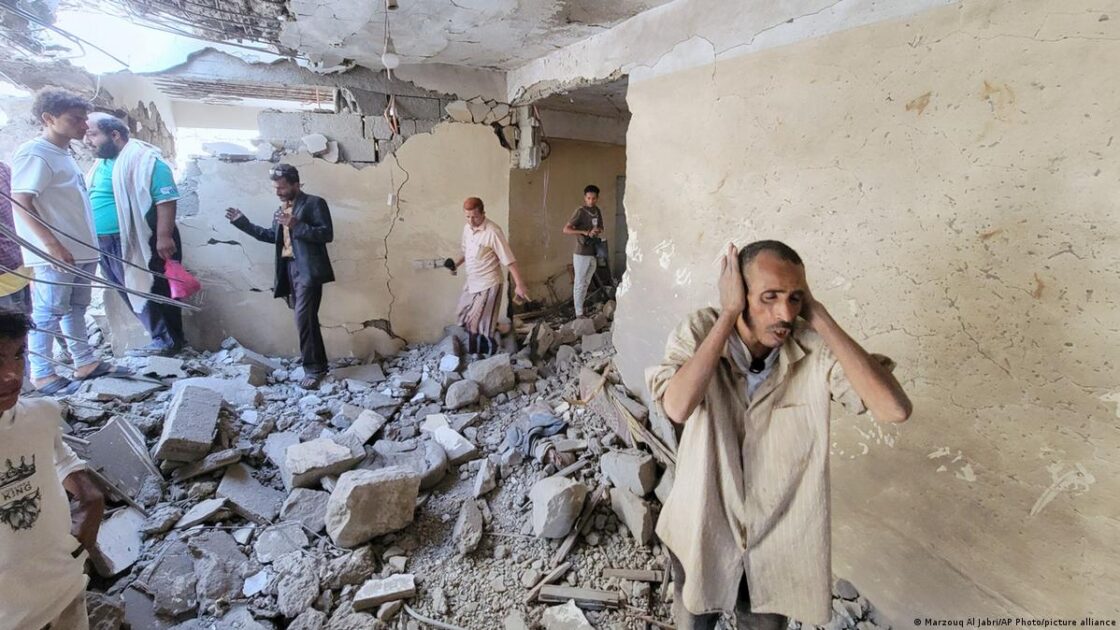
Four months into renewed fighting in Yemen between the Iran-backed Houthi movement and the Saudi-backed Yemeni government, clashes have concentrated around the southwestern city of Taiz. Authorities have warned civilians about sniper fire from surrounding hillsides, while Houthi forces have largely blocked the delivery of goods to the government-controlled city.
Humanitarian Impact and Displacement
Taiz is Yemen’s third-largest city with a population of about 1 million, but fighting has forced the displacement of approximately 134,000 people in the Taiz governorate, according to the International Organization for Migration. The organization reported on November 1, 2026, that this region accounts for nearly half of the more than 319,000 people displaced across western Yemen.
Niku Jafarnia, a Yemen researcher at Human Rights Watch, told Deutsche Welle that the Houthis have cut off fuel, water, and medical supplies, creating critical shortages for hospitals. She explained that individuals who manage to reach hospitals may still not receive necessary care, leading to severe health consequences, particularly for patients with chronic illnesses.
Residents in Taiz described living in a state of panic while facing skyrocketing prices and severe shortages of petrol, cooking gas, and drinking water. Despite the constant sound of fighting and mounting mental pressure, many locals refuse to flee and rely on neighbors to share limited food supplies.
Nabil Shamsan, the governor of Taiz, told Deutsche Welle that negotiations are underway to restore the flow of food, fuel, and water to the city. However, international aid organizations remain deeply concerned about security conditions.
Alison Bottomley, an advocacy adviser with the Norwegian Refugee Council in Yemen, told Deutsche Welle that insecurity around Taiz endangers both civilians and aid workers. She noted that the conditions prevent her organization from reaching 7,000 people who require emergency tents, blankets, and educational support for children, and she urged both factions to ensure safe movement.
Strategic Importance of Taiz
During the previous conflict, which began in 2014 and largely paused under a 2022 UN-brokered truce, the Houthis previously besieged Taiz in 2015 and 2016 without capturing the city. Hisham Al-Omeisy, a senior Yemeni adviser with Coral Core Consultants, told Deutsche Welle that Taiz represents a bastion of resistance symbolizing political pluralism and civic rejection of Houthi rule.
Following the expiration of the truce, fighting reignited in late July and intensified in September as Houthi forces seized territory from the internationally recognized government. Control over the strategic Bab el-Mandeb Strait remains contested, and missile and drone exchanges continue between the Houthis and Saudi Arabia.
Casualty figures remain inconsistent due to ongoing hostilities and separate statistics from Houthi and government health authorities. A World Health Organization situation report stated that at least 1,677 people were killed and 7,395 injured as of October 25, 2026.
Al-Omeisy noted that capturing Taiz would grant the Houthis a major tactical advantage to consolidate northern territories and expand toward the south and the Red Sea coast. He added that even without capturing the city, isolating Taiz and neutralizing it as a military threat could allow the Houthis to weaken anti-Houthi factions and exploit divisions among their opponents.