Table of Contents
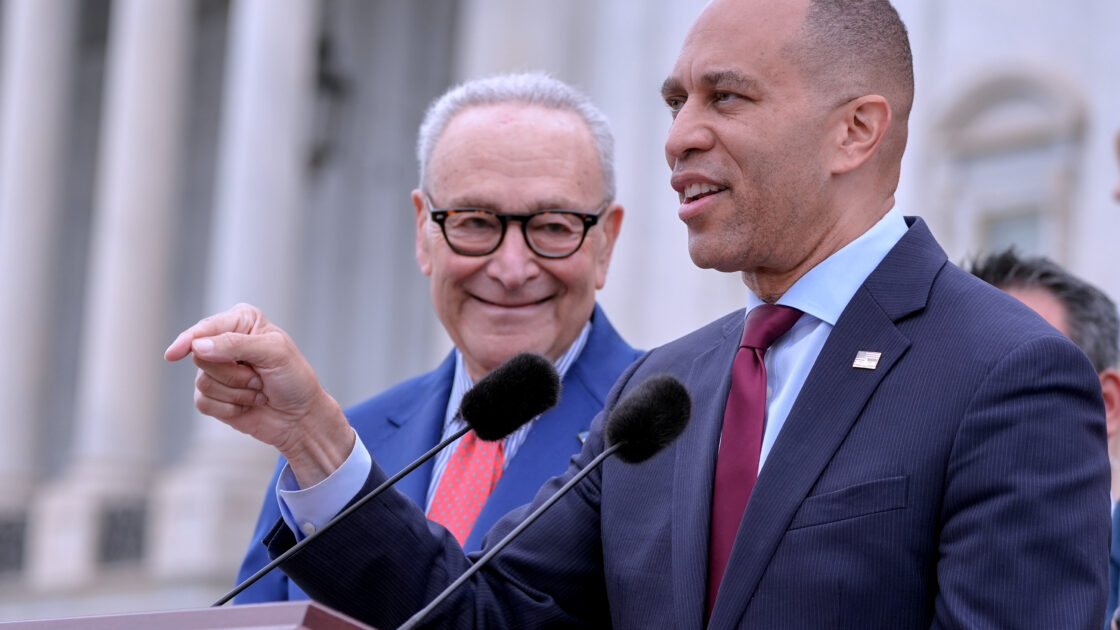
Over a week after Democrats secured historic midterm wins to retake the United States Congress, internal party divisions are threatening their newfound political momentum. Despite growing calls for new leadership, Chuck Schumer and Hakeem Jeffries are widely expected to remain at the helm of their respective Senate and House caucuses.
An Election Victory Secures Political Goodwill
The primary reason the top two Democrats in Congress are positioned to hold their posts is the party’s significant electoral gains. Schumer supporters credit him with helping Democrats capture at least eight Republican-held Senate seats, positioning the party to hold as many as 56 seats in the next Congress.
“When the manager takes you to the World Series, you give him another contract,” Democratic Senator Ruben Gallego told reporters, adding that the cycle was very successful for the party. Schumer also played a central role in recruiting competitive candidates in challenging states, such as former Ohio Senator Sherrod Brown and former North Carolina Governor Roy Cooper. Adam Jentleson, a longtime Senate aide and author, noted during an interview with public radio station WBUR that it is difficult to challenge someone who oversaw the party’s largest election victory since Watergate.
Schumer stated in an interview with The Washington Sun that he secured sufficient backing from colleagues, affirming that he has the necessary votes and that the caucus is united.
Schumer Faces a Leadership Challenge
Not all Democrats believe the recent victories justify retaining Schumer, prompting Senator Chris Van Hollen to announce a challenge for the role. Van Hollen stated on MSNOW that voters sent a message to reject the status quo and business as usual. An analysis by Al Jazeera revealed that 12 Democratic senators publicly committed to backing Schumer, while at least 10, including independent Bernie Sanders, said they would not.
Sanders argued in an interview with The Nation that Schumer’s views are out of touch with the American public and the Democratic base. Additional senators, including Elissa Slotkin and Raphael Warnock, have also questioned Schumer’s leadership and called for a clear plan outlining how Democrats intend to use their newfound congressional power.
Jeffries Faces a Different Kind of Challenge
The outlook is clearer for Hakeem Jeffries, who seeks to become the first Black speaker of the House when the new Congress convenes on January 3. Jeffries does not face a prominent challenger, and his backing from moderate Democrats remains strong, including an endorsement from the New Democrat Coalition.
However, some progressives have expressed dissatisfaction. Representative Pramila Jayapal stated she is withholding support unless Jeffries commits to advancing Medicare for All, though she acknowledged that a lack of alternative candidates complicates the debate. Representative Alexandria Ocasio-Cortez similarly noted that the race is unopposed. Meanwhile, incoming Democratic Representative Don Leonard alleged that senior House Democrats threatened him over placing conditions on his support for Jeffries, though House Democratic Caucus Chair Pete Aguilar stated he was unaware of the matter.
Jeffries addressed frustrations during a Thursday appearance, telling reporters that lawmakers take nothing for granted and must continue making their case through both their track record and vision for the future.
Leadership contests are scheduled for November 18 and 19 for House Democrats and in December for Senate Democrats, where both leaders will continue navigating competing demands from progressives and moderates.