Table of Contents
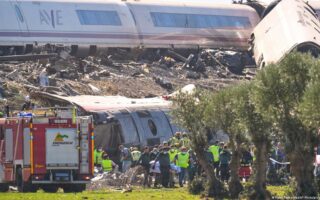
Spain has entered three days of national mourning following a devastating high-speed train collision that claimed at least 69 lives. The disaster, which occurred on the Madrid-Seville line near Urda, has sparked widespread public outrage and intense political scrutiny just one month before the country’s general election.
Survivors recount scenes of horror
The crash involved a stationary Iryo train that was struck from behind by a Renfe train approximately 140km south of Madrid. Survivors described a chaotic and terrifying experience as the impact threw passengers across their carriages.
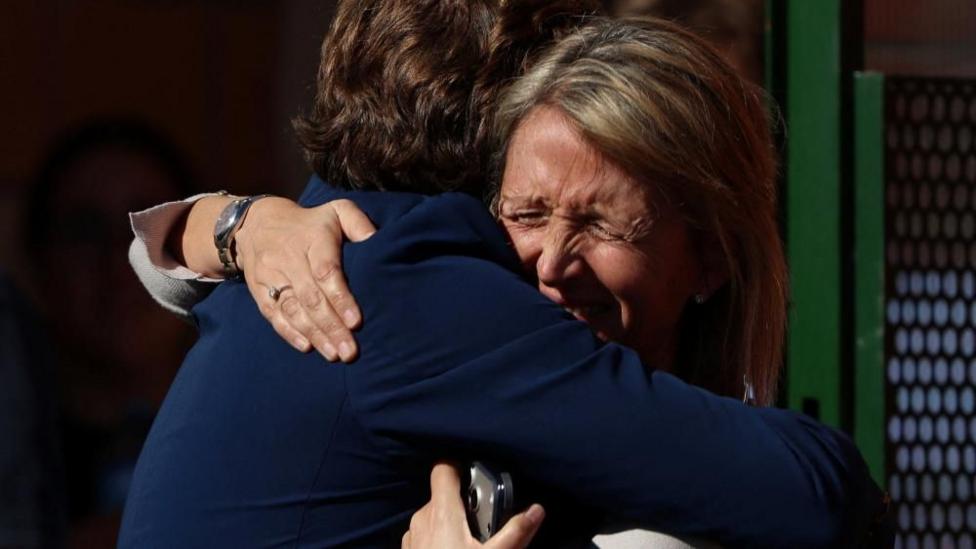
“You don’t know what’s happening, you don’t know what has happened, you just know that you’re being thrown around in a matter of seconds,” said 60-year-old survivor Iñaki García. Other witnesses described harrowing scenes of injury and death, with one young man telling BBC News that the trauma of the event was something he might never recover from.
In the aftermath, residents of Urda mobilized to assist the victims, transforming a local sports hall into a makeshift hospital. Local resident Rosa María Domínguez described the scene as resembling a “horror film,” noting that the community organized itself quickly to provide blankets, food, and water to those affected.
Political fallout and safety concerns
This incident marks the second major rail tragedy in Spain this year, following a crash in the village of Adamuz nine months ago that killed 46 people. The recurring nature of these disasters has shattered the reputation of Spain’s high-speed rail network, which was previously considered a model of efficiency and safety in Europe.
The tragedy has placed significant pressure on Prime Minister Pedro Sánchez’s left-wing government. While most political parties have suspended their election campaigns, the incident has fueled tensions, with far-right groups clashing with police during a protest on Wednesday night. Opposition leader Alberto Núñez Feijóo, who visited the crash site on Thursday, demanded accountability, stating, “The Spanish people need answers. They are wondering what is happening to high-speed rail in their country.”
Investigation into the cause
Transport Minister Óscar Puente indicated that the crash likely stemmed from a computer failure followed by human error. This assessment was seemingly corroborated by leaked audio recordings of a control-room operator communicating with train drivers in the moments leading up to the collision.
The leak of these recordings has drawn sharp criticism from the Semaf train drivers’ union, which labeled the disclosure as irresponsible and biased. Vicente Almenar, a train driver, told Spanish media that the focus on individual error ignores deeper systemic issues. “They always look for the last link in the chain, where it’s weakest, but here the entire procedure failed because we don’t even know what our colleague was seeing on the screen,” Almenar explained.
As the investigation continues, the government faces mounting criticism regarding its management of the rail network. With rail safety now expected to dominate the remainder of the election campaign, the pressure on the current administration is likely to intensify.