Fixed income experts highlight the current market as an exceptional moment to purchase corporate bonds. With the 10-year Treasury yield hovering around 5% and the Federal Reserve maintaining steady interest rates, the environment for highly rated investment-grade corporate bonds has drawn descriptions as a generational opportunity.
AI Infrastructure Drives Tech Debt Issuance
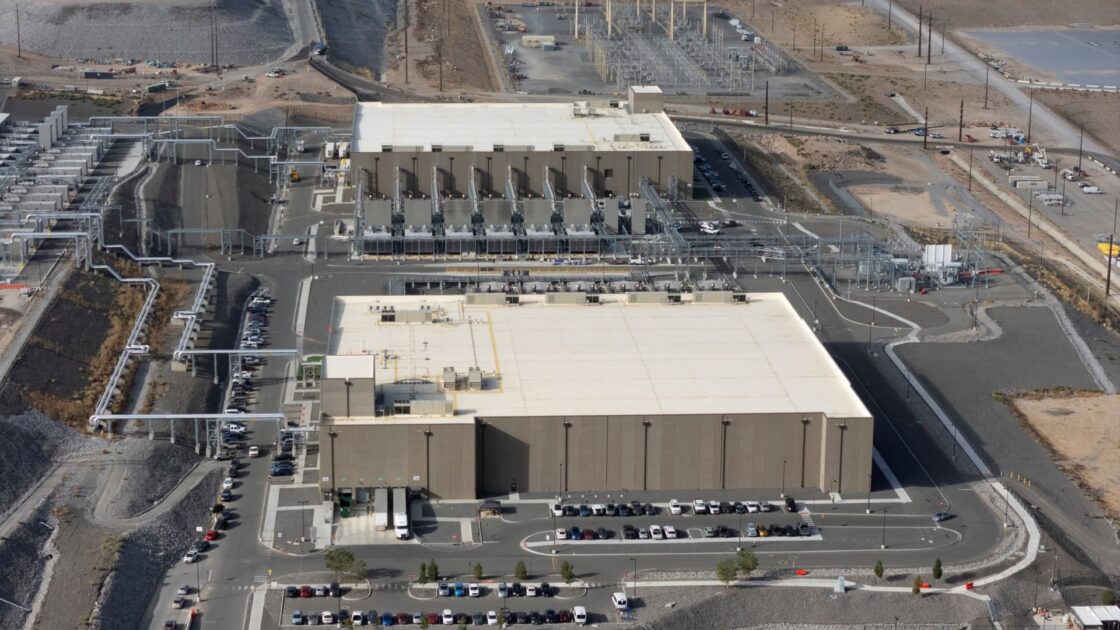
Major technology giants, commonly known as hyperscalers, are driving the market by aggressively issuing debt to fund artificial intelligence projects. These initiatives include purchasing microchips and constructing necessary data centers and power plants. Steven Purdy, group managing director and co-head of global credit at TCW in Los Angeles, noted that investors rarely access AA-rated and similarly rated companies at such attractive yields.
Despite these high yields, experts advise caution because cash flow faces pressure even among the wealthiest market players. Joseph Matus, a principal at Cerity Partners, pointed out that large hyperscalers maintain strong balance sheets and manageable debt levels, calling the situation a unique chance to invest in above-average credit quality alongside favorable yields. The VettaFi AI Hyperscaler Bond Index recorded a yield of 6.51% at the close of September.
Market participants continue to grant major tech companies leeway because their deployed projects demonstrate profitability. In 2025, hyperscalers issued $93 billion in debt to support capital spending on AI and related initiatives, continuing their high spending momentum this year according to Todd Rosenbluth, head of research and editorial at TMX VettaFi. By comparison, annual debt issuance for top hyperscalers averaged roughly $35 billion between 2020 and 2024.
Meanwhile, some companies face heightened scrutiny. Cloud-computing firm CoreWeave experienced a bond plunge in October amid investor concerns over heavy debt-fueled AI expansion. S&P Global Ratings downgraded Oracle’s debt in July to the lowest investment-grade tier. CreditSights analyst Jordan Chalfin told CNBC that Oracle trades more like a high-yield credit despite its investment-grade status, creating significant investor concern.
Future Borrowing and Portfolio Strategy
Brian Barnhurst, head of global credit research at PGIM Credit, projects that debt issuance tied to the AI ecosystem will persist over the coming year. JPMorgan projected in June that over $4 trillion in AI-related debt could enter the market through 2030, though competing issuance and institutional skepticism create growing pressure.
Priya Misra, managing director and portfolio manager at JPMorgan Asset Management, told CNBC that 10- and 20-year hyperscaler debt offers a way to secure income as the yield curve steepens while potentially capturing capital gains if rates stop rising. Alongside debt, companies may increasingly issue equity for AI expansion, as demonstrated by Meta’s capital plan to sell up to $95 billion in various stock offerings.
Reflecting the sector’s importance, ProShares filed for an AI hyperscaler debt ETF projected to launch by early 2027. Rosenbluth noted that the proposed fund successfully pairs high credit quality with meaningful yield generation. However, Matus cautioned that investors should evaluate whether extra yields compensate for potential equity market risks tied to cracks in the AI narrative.
To manage risk, Joanna Gallegos, co-founder of BondBloxx, told CNBC that the lower end of the investment grade spectrum offers strong opportunities, with BBB-rated bonds yielding over 6%. Bob Shea, chief investment officer of Dynasty, emphasizes active management over passive index funds, favoring instruments like the iShares Flexible Income Active ETF which held a 30-day SEC yield of 5.65% as of October 23.