Table of Contents
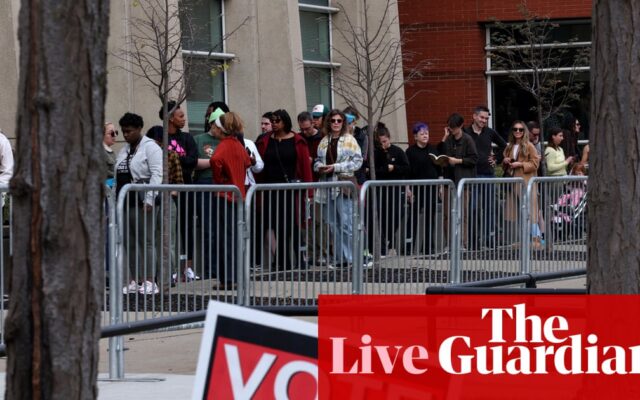
Voters across the United States have delivered a sharp rebuke to the rapid expansion of data centers, selecting candidates at all levels of government who champion strict policies against the industry. NBC News data shows that nearly a quarter of voters considered data centers crucial to their ballot decisions, while close to two-thirds viewed the issue as a major or minor factor.
A Bipartisan Revolt Linked to Artificial Intelligence
Texas Democratic Congressman Greg Casar described the voter backlash as a major election issue that signals the beginning of a broader political shift driven by artificial intelligence concerns. Democratic strategist Alexander McCoy noted that voters closely link data centers with AI technology, fueling anxieties over energy use, noise, pollution, and the broader societal impacts on prices and employment opportunities.
The opposition to these facilities transcended party lines and created fractures within political groups. WIRED previously reported that numerous MAGA loyalists disagreed with Donald Trump’s backing of AI firms and data centers. Capitalizing on the public mood, the Democratic Congressional Campaign Committee ran advertisements highlighting Republican ties to the industry and support from AI companies in the weeks leading up to the vote.
Governor Races and Legislative Losses
Some of the most significant blows to the industry occurred in gubernatorial contests. Voters elected Democrats Keisha Lance Bottoms in Georgia and Gina Hinojosa in Texas, while placing Cindy Holscher on the brink of victory in Kansas. These candidates campaigned on implementing data center moratoriums and stricter regulations, which could impact hundreds of planned projects in key development hubs like Texas and Georgia.
McCoy stated that favorable tax breaks may end, noting that officials like Greg Abbott faced political damage from offering financial incentives to AI companies and data center developers. He added that future bureaucratic appointments will likely bring increased environmental scrutiny and stricter enforcement.
Simply attacking opponents over the issue did not guarantee victory for Republicans. In Wisconsin, Republican Tom Tiffany ran advertisements labeling his Democratic opponent “Data Center David Crowley,” but ultimately lost his race after Crowley shifted toward supporting a pause on development. In New York’s 17th congressional district, incumbent Republican Mike Lawler also lost after airing ads criticizing his opponent’s pro-data center statements.
Defeating Big Tech Spending and Ballot Measures
Many successful candidates advocating for strict regulations prevailed despite receiving heavy financial opposition from AI and data center interests. In South Carolina, the industry super PAC Building the Future spent $1.5 million supporting Darline Graham, who lost to Democrat Annie Andrews, a moratorium advocate. The same super PAC invested over $1.5 million in the Kansas gubernatorial race for Republican Ty Masterson against Holscher. In Michigan, Democrat Will Lawrence declared victory over Republican Tom Barrett following a high-spending race that included $340,000 from Elon Musk’s America PAC.
Amy Kremer, chair of the advocacy group Humans First, criticized politicians in Washington for accepting industry funds rather than listening to the conservative rural working-class base.
Ballot measures across nine states demonstrated widespread local resistance, with voters rejecting construction plans, approving moratoriums, and demanding community accountability. Ballotpedia data showed that ten states featured more than 40 questions regarding data centers, including 21 in Ohio alone, covering topics from rezoning to outright bans. Brad Carson, president of Americans for Responsible Innovation, noted that only one county appeared to approve further development.
Tech companies are already responding to the political shift. The Hill reported that environmental groups and major tech firms collaborated on a “Responsible Data Center Development Collaborative” to establish new development guidelines, a move McCoy described as a positive step. Meanwhile, following the election results, Elon Musk wrote on X that space-based data centers are starting to look quite appealing.