Table of Contents
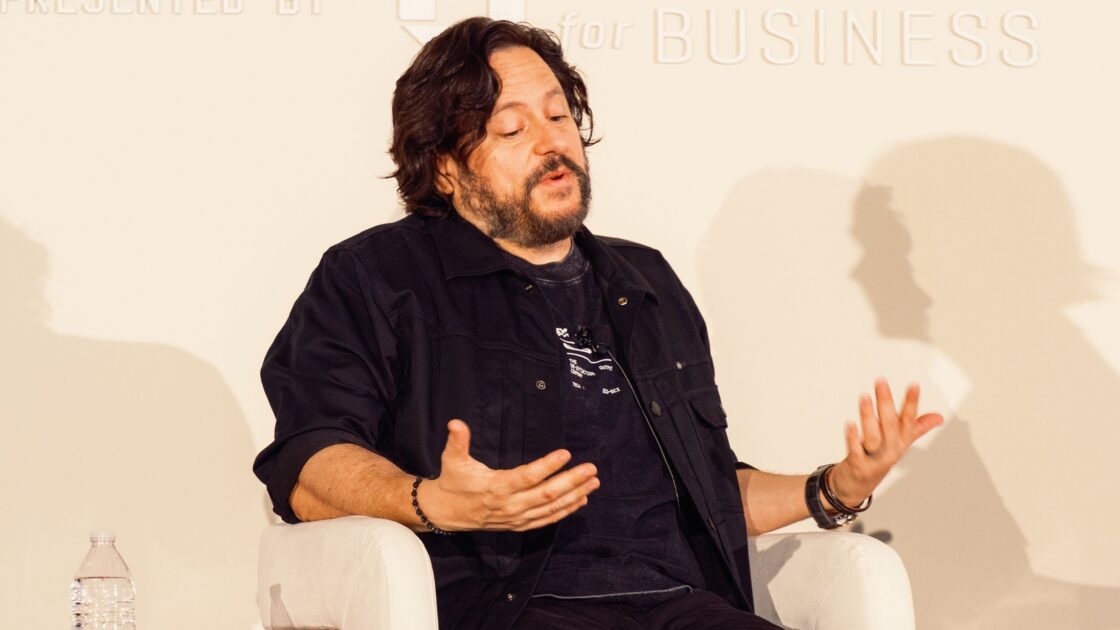
De-extinction startup Colossal secured support from the incoming presidential administration for an initiative to collect DNA samples from endangered species, according to CEO Ben Lamm. Speaking at the WIRED World Fair on Wednesday, Lamm explained how the company convinced an administration historically unfriendly to land and wildlife conservation to back the project.
Company Growth and Diversified Ventures
Colossal raised $230 million in a Series C funding round last year, reaching a valuation of $10.2 billion. Axios reported earlier this year that the startup is currently looking to raise a new round that would value the company between $20 billion and $30 billion. The firm has already spun off multiple companies, including a venture utilizing microbes to destroy plastic.
Additionally, Colossal holds a stake in Warhound, a startup developed by Lamm alongside Anduril CEO Palmer Luckey. Warhound plans to engineer genetically enhanced dogs tailored for military, law enforcement, and first responder use. Lamm noted that the company applies a comparable approach to Warhound with the explicit goal of decreasing reliance on European working dog breeding facilities.
Conservation Efforts and Criticisms
Lamm emphasized that the company’s biobanking initiatives hold greater importance given how climate change and habitat destruction increasingly threaten wildlife. However, conservationists have criticized Colossal for diverting attention away from current efforts to protect endangered species. Critics argue that promising future de-extinction could weaken today’s conservation policies, a concern raised when Colossal partnered with the Trump administration earlier this year for its biobank project. Defending this collaboration, Lamm stated that given dire biodiversity forecasts, “you don’t put your head in the sand” for a four-year political term.
Critics have also accused the company of overselling its scientific results, pointing out that the engineered dire wolves closely resemble gray wolves and arguing the announcements rely more on style than substance. David Jachowski, a Clemson University professor, previously told WIRED around the time of the dire wolf announcement that defining a species involves “inherently some subjectivity.”
Gene-Editing Progress and Future Limits
Colossal will miss its original 2028 target date for producing a wooly mammoth, though Lamm reported progress with 130 edits made to mammoth genes. He added that he remains comfortable if people choose to refer to the company’s creations as gene-edited gray wolves or label future wooly mammoths as “hairy elephants.”
While acknowledging the numerous high-profile announcements, Lamm stated that Colossal has actually “undersold” its gene-editing capabilities and promised further “surprise and delight moments for the world.”
However, Lamm ruled out any projects targeting extinct ocean predators like the megalodon despite receiving significant public interest in the concept. “The ocean is already scary,” he said.