Table of Contents
Following Tuesday’s midterm elections where Democrats secured majorities in both chambers of the US Congress, Republican figures began blaming the Trump administration’s foreign policies for voter dissatisfaction. Vice President JD Vance pointed to the war on Iran, which led to high fuel prices and a substantial financial bill, as a major factor in souring voters on the party.
Republican Realignment and Voter Discontent
Voters surveyed by The Associated Press indicated that entering the war with Iran was a mistake, linking the conflict directly to the rising cost of living in the United States. Andrew Payne of the Chatham House think tank told Al Jazeera that voters connected the war with economic pressures and punished Republicans accordingly. Meanwhile, in Michigan, Democratic senator-elect Abdul El-Sayed won his race while calling for an end to US military assistance to Israel, despite strong opposition and heavy funding from the pro-Israel AIPAC lobby.
El-Sayed told supporters that voters do not want public funds sent to support apartheid, genocide, or war. Payne noted that while a broader Republican realignment remains unlikely at this stage, the election outcomes could embolden Democrats to take a tougher stance moving forward, making it a prominent issue for the 2028 presidential campaign.
AIPAC Spending and Legislative Shifts
The American Israel Public Affairs Committee claimed that over 234 supported candidates won their seats and highlighted ongoing support from leaders in both parties. However, a Responsible Statecraft report revealed that AIPAC’s super PAC, United Democracy Project (UDP), and other political committees spent $84.1m, with $55.3m going to races where their preferred candidates lost. El-Sayed’s victory in Michigan represented the lobby’s most expensive setback, as he withstood $31.47m in UDP spending during the primary and general election campaign periods.
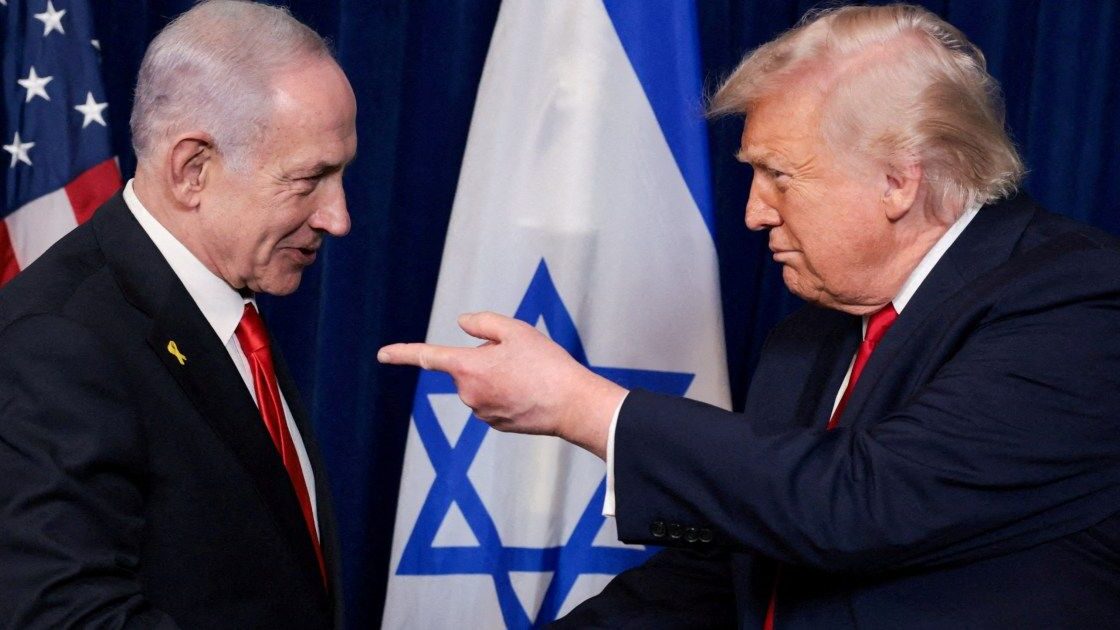
President Donald Trump had previously stated on election day that Washington would end annual military aid to Israel after the current agreement expires in September 2028, though he indicated the US would continue selling weapons. With Democrats taking control of both houses of Congress, experts told Al Jazeera that lawmakers are likely to use committee hearings to investigate weapon transfers and force votes on individual sales or funding conditions.
Daniel Levy, president of the US/Middle East Project, told Al Jazeera that any Democratic push for a partial weapons sales ban would likely face a presidential veto. Trump informed Fox News that he plans to use his veto power to block Democratic policies, and Congress would struggle to secure the two-thirds majority required in both houses to override it. Simon Mabon, a professor of international politics at Lancaster University, added that deeper structural issues and military collaboration tied to US institutions present limitations to what Congress can achieve.
Efforts to Rebuild Support
Following the election, AIPAC informed its members of its determination to expand political activism in upcoming cycles. Levy noted that the Israel lobby retains enough financial resources to keep lawmakers on board, and if economic and technological ties remain strong, Israel may withstand much of the pressure. Furthermore, some political figures may attempt to frame dwindling support as opposition to specific leaders like Prime Minister Benjamin Netanyahu or far-right ministers rather than broader state policies.
Former Israeli Prime Minister Yair Lapid argued on social media that voters are reacting against extremist ministers and settler violence rather than Israel itself, while also faulting Netanyahu for siding with Republicans. However, analysts point out that persuading voters who object to US support for Gaza and the Iran war that a leadership change in Israel would alter those policies remains a difficult task. Levy added that many voters believe the war on Iran occurred because Israel dragged the United States into the conflict, marking a significant shift as criticism of Israel enters mainstream US political debate.