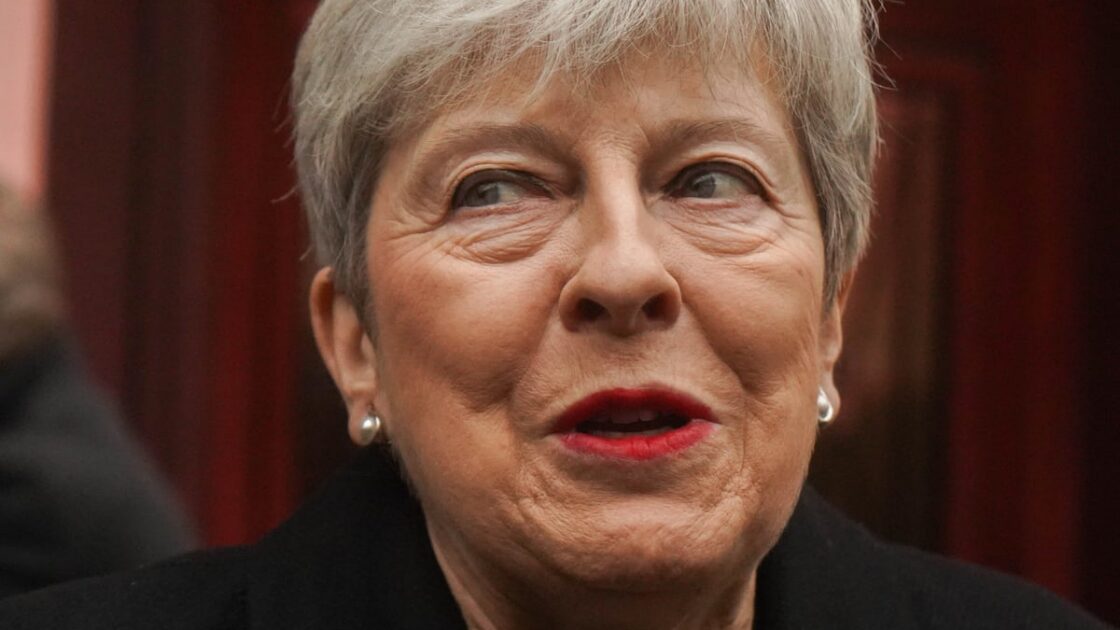
A recent television appearance by Theresa May discussing Brexit has reminded the Conservative Party of a painful era, forcing them back into familiar political debates. Her return to the topic comes as Andy Burnham pursues closer ties with the European Union, unsettling the political opposition.
A Triggering Return to Past Divisions
For Conservative members and lawmakers who campaigned heavily for Brexit, May’s intervention risks reopening old wounds. May’s tenure as prime minister was defined by repeated struggles to unite her party behind a departure deal, culminating in the largest parliamentary defeat in British history when the House of Commons rejected her plan by a majority of 230.
Under the leadership of Kemi Badenoch, the party has attempted to shift away from constantly discussing Europe—echoing David Cameron’s past phrase about “banging on about Europe”—and has instead concentrated on issues like the economy, social security, and national defense.
Shifting Public Sentiment on Brexit
This cautious approach stems from the difficulty even ardent Brexit supporters face in pointing to concrete benefits from the UK’s departure a decade after the referendum, aside from minor constitutional points regarding self-determination. During her interview, May declined to label Brexit a success, attributing the difficulty of assessment to events like the COVID-19 pandemic and Russia’s invasion of Ukraine, while noting that the current state of Britain is not solely about leaving the European Union.
Public opinion polls indicate that a solid majority of Britons consider Brexit a mistake, with similar backing for rejoining the EU, subject to certain conditions. This shift is driven by both daily experiences and demographic changes, as older voters who favored leaving pass away and are replaced by younger generations who view the EU more favorably.
A recent constituency-level survey revealed that hundreds of areas that previously voted to leave, including Burnham’s Makerfield seat, now favor rejoining. Across 632 parliamentary seats in England, Scotland, and Wales, voters in 512 would choose to rejoin, 47 are too close to call, and only 73 areas—just over 11%—still support staying out.
While the Conservative leadership plans to challenge the prime minister’s new EU agreement in parliament, and deputy Alex Burghart has vowed that a future Tory administration would dismantle it, Europe is no longer the central defining thread or source of division for the party. Although May may find it difficult to move past the issue that defined her time in office, her party and the country must look forward.