Table of Contents
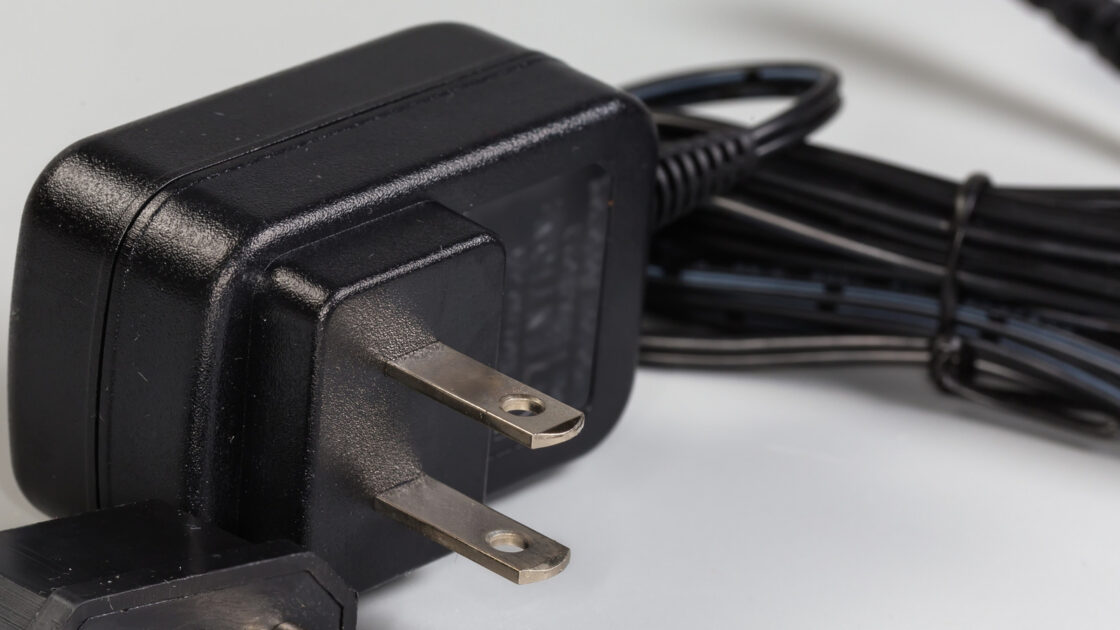
The mysterious holes found in electrical plug prongs serve a very specific function during the production process, despite various myths about their purpose in home wall outlets. While these perforations once played an everyday role in the home, they are primarily used today to position and lock metal blades into place during manufacturing.
Manufacturing and Production Uses
During the manufacturing process, a worker passes an alignment rod through the holes to keep the metal blades correctly positioned before plastic is molded around the entire assembly. These holes also act as lockout tags, which serve as a necessary safety mechanism during production. According to Engadget, this simple design keeps components properly aligned for everything from ordinary vacuum cleaner plugs to smart home devices.
Not every manufacturer utilizes this exact process, but it explains why perforated prongs remain common even though they perform no electrical job inside a standard outlet.
The History of Outlet Gripping
A common theory suggests the holes help wall outlets grip the plug, a concept that no longer reflects reality. Data from the National Electrical Manufacturers Association (NEMA) indicates that the holes originally aligned with a small raised feature inside the receptacle known as a detent, which clicked into the hole to help retain the plug.
Underwriters Laboratories (UL) later revised receptacle standards to hold plugs in place without needing the holes, while also limiting how difficult a plug should be to remove. As a result, most manufacturers stopped adding the matching raised features inside outlets because they provided no help in meeting minimum requirements and only made plugs harder to pull out.
Using Plugs Without Holes
Plugs without holes are completely functional, are not defective, and do not lack required safety features. Manufacturers that choose to include holes must follow specific size and lead-in shapes to ensure compatibility with both old and new receptacles.
A solid, hole-free blade maintains proper electrical contact and closes the circuit in any appropriate outlet. If a plug slides out of a wall easily, the issue is typically wear and tear in the receptacle rather than the absence of holes in the prongs.