Table of Contents
More than 100,000 plant and animal species are currently traded globally through fisheries, timber, fashion, and the exotic pet trade, according to new research published in Science Advances. This figure is more than twice as high as previous estimates, revealing massive gaps in global monitoring systems.
Underestimating Modern Trade
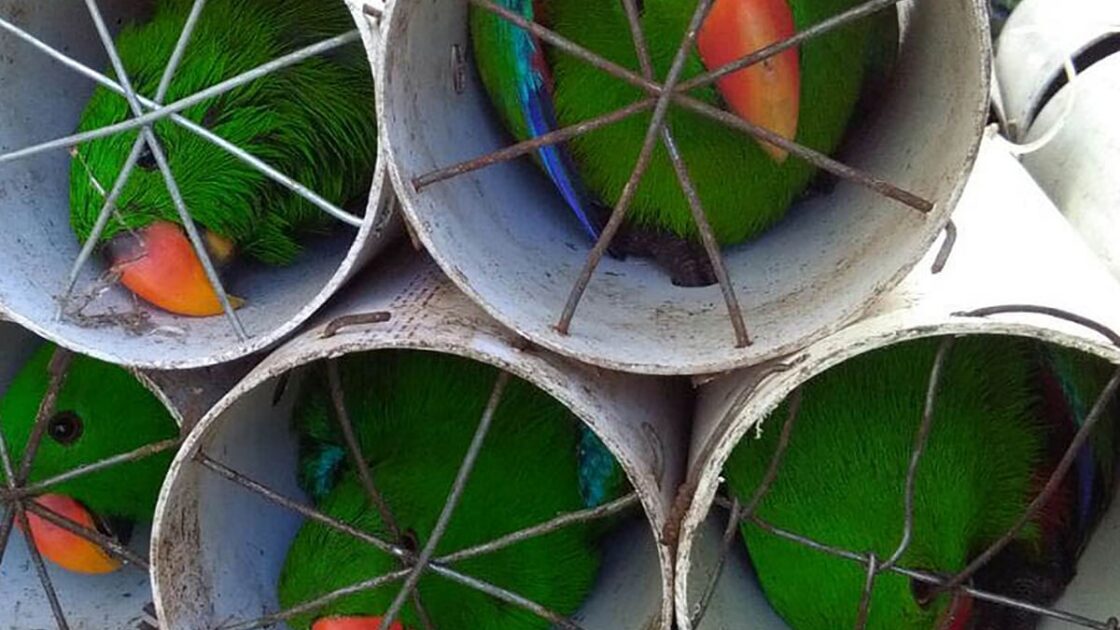
Researchers warn that past estimates have failed to keep pace with modern developments, particularly the online exotic pet trade where sellers can easily ship spider eggs worldwide or smuggle reptiles onto airplanes. Alice Hughes, a professor at the University of Melbourne and lead author of the study, told The Guardian that the dimensions of trade have changed and cannot be managed without representative monitoring. She stated that modern trade in pets and ornaments is severely underestimated and poses a major risk to species.
The study coincides with a petition filed by the US-based nonprofit Center for Biological Diversity, asking the US Fish and Wildlife Service to protect the Javan slit-faced bat under the Endangered Species Act. The center warned that consumers are purchasing taxidermy bats for gothic or spooky holiday decorations, placing the species at risk of extinction.
Gaps in Data and Regulation
The wildlife study identified 107,356 species in use or traded worldwide, dwarfing the previous estimate of about 50,000 made by the Intergovernmental Science-Policy Platform on Biodiversity and Ecosystem Services (IPBES). The newer findings rely on more comprehensive datasets and research papers tracking online sales of decorative species, exposing flaws in how authorities understand which species face extinction risks.
Molly Brown, a co-author of the paper and programme officer for wildlife use and trade at the International Union for Conservation of Nature, told The Guardian that the findings serve as a reality check. She noted that the reported number remains an underestimate because adequate monitoring data is still lacking.
While discussions often focus on criminal smuggling of items like ivory or pangolin scales, the broader wildlife trade includes sustainable sectors like timber and fisheries alongside harmful commercial activities. Researchers added that under-regulation creates loopholes allowing sought-after exotic pets to be laundered into legality. Nearly 200 countries agreed four years ago to ensure wild species trade is sustainable, safe, and legal, but these targets are hindered by poor data.
Call for Systematic Monitoring
Hughes noted that the primary data point for tracking progress on global wildlife trade targets currently refers only to fish stocks, which account for at most 3% of all traded species. While the UN Food and Agriculture Organization monitors fisheries and the Convention on International Trade in Endangered Species of Wild Fauna and Flora (Cites) regulates about 40,000 species, researchers point out that these systems exclude vast numbers of vulnerable species and move too slowly to address new threats.
Newly described species are often rare with small ranges, making them highly valuable to traders and susceptible to rapid extinction. Chris Shepherd, a conservation advocate at the Centre for Biological Diversity who was not involved in the study, told The Guardian that he has observed the wildlife trade for decades and sees continuous streams of new species appearing. He emphasized that the fast-growing demand for live pets and other wildlife is pushing an expanding list of species toward extinction, making better monitoring mechanisms essential.