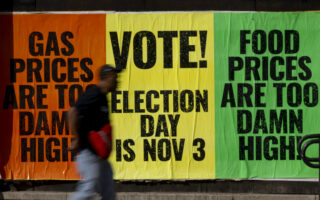
Following the 2026 US midterm elections, the Democrats have achieved a historic victory while Donald Trump remains president for the next two years. This political dynamic means Congressional Democrats will likely navigate a complex legislative landscape with three distinct lanes.
Legislative Priorities and Constraints
The first legislative lane involves constraining Trump through efforts to bring the Iran war to a conclusion, blocking judicial and other nominations, halting aggressive immigrant detentions by ICE, and investigating the financial networks and alleged corruption of Trump and his allies. The second lane focuses on demonstrating a positive policy agenda for the 2028 election cycle through messaging bills on social issues, tax reform proposals, and major shifts in global defence cooperation and foreign policy, such as aid to Israel.
The final lane centers on bipartisan cooperation with the White House, which could include establishing guardrails around the growing artificial intelligence sector, though major Trump donors may attempt to derail such progress. Many proposed bills in the first and second categories will face presidential vetoes or face moderation as the Democratic establishment pushes back against the progressive left’s ambitious goals, potentially making the upcoming Congress less productive.
Foreign Policy and Oversight Challenges
Congress can pass certain acts without presidential endorsement, such as war powers legislation to limit executive military authority, committee subpoenas, or resolutions like the recent Senate proposal by Maryland Democrat Chris Van Hollen regarding Israel’s human rights record. However, the White House is likely to ignore or stonewall these measures, resulting in prolonged legal battles.
Lawmakers will also navigate the constitutional power of the purse, gaining control over current and future government funding if annual spending bills are not passed by the end of the year. This control impacts Israel’s annual allocation of $3.3 billion, which Trump questioned on election day, and allows reconsideration of funding restrictions for UNRWA and the Palestinian Authority.
House and Senate Democrats can also set the investigative agenda, utilizing committee gavels to scrutinize the administration, such as Trump’s Board of Peace and US involvement in the war with Iran. While party leadership aims to avoid internal party disruption, the secure Democratic majority following the midterms means leadership will make few concessions to the left, setting up potential public clashes during appropriations debates as the party owns the legislative branch’s decisions moving forward.