Table of Contents
A brand-new smartphone does not necessarily offer longer battery life than an older device, as models tested in 2026 averaged roughly the same longevity as those from 2024 and 2025. According to testing by CNET, power-hungry features such as brighter screens, stronger processors, and artificial intelligence tools often counteract the benefits of larger physical batteries.
How CNET Tested Smartphone Batteries
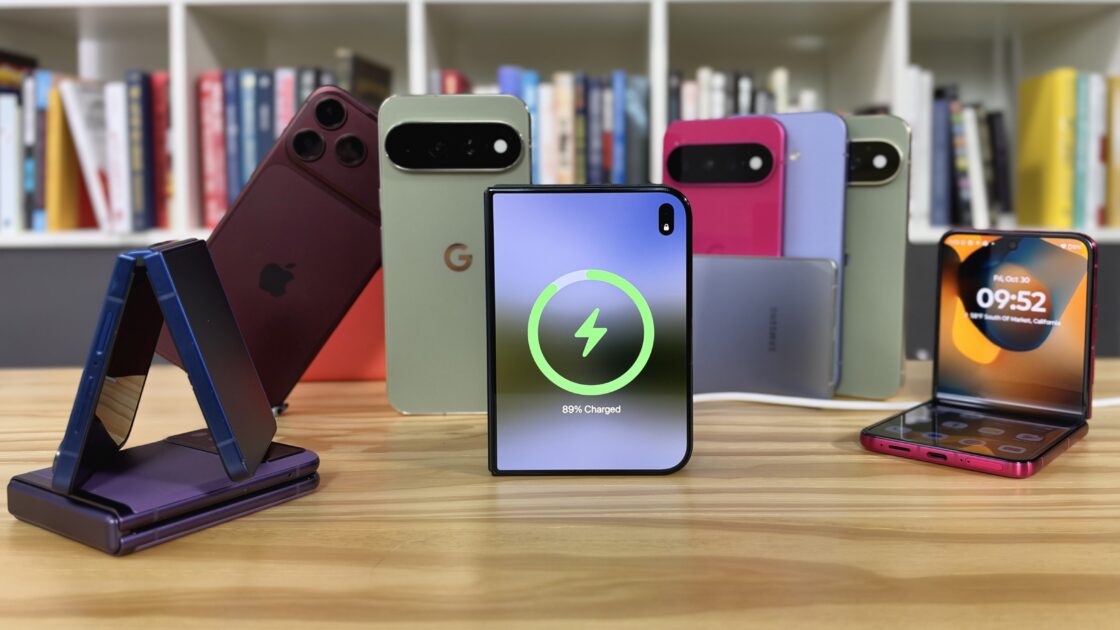
Over the past year, CNET spent 120 hours testing 32 different phones—including 28 tested in 2026 and four models that did not receive updates this year. Each device underwent a three-hour video streaming test and a 45-minute anecdotal stress test starting from a full 100% charge. The remaining battery percentage was recorded and averaged to determine overall rankings.
The iPhone 18 Pro Max emerged as the overall winner for the longest battery life. Apple equipped the device with a larger battery than its 2025 predecessor, which, combined with iOS 27 optimizations and the efficient Apple A20 Pro chip, gave it an advantage over every other phone tested in 2026.
Foldable devices also made notable strides. Models like the Motorola Razr (2026) and Samsung Galaxy Z Fold 8 utilize silicon-carbon batteries, which provide increased capacity without requiring a larger physical footprint. While these batteries remain relatively rare, they delivered strong performance off a single charge.
Performance in Specific Tests
During the 45-minute stress test—which involved streaming videos, making video calls, playing games, and scrolling social media—the iPhone 18 Pro Max and the iPhone Duo performed best by dropping only 1% of their battery. Google’s Pixel 11 Pro XL tied for third place with a 3% drop, improving upon the 2025 Pixel 10 Pro XL, which dropped 7% in the same test.
In the three-hour video streaming test over Wi-Fi with maximum screen brightness, the smaller iPhone 18 Pro took first place by losing only 6% of its charge. The iPhone 17, the Motorola Razr (2026), and the Razr Ultra (2026) also scored among the top results in both evaluation methods.
Testing encompassed a wide range of devices, from mainstream brands like Samsung, Google, and Apple to lesser-known handsets such as Xiaomi’s photography-focused Leica Leitzphone and the T1 Phone from Trump Mobile, a rebranded 2024 HTC U24 Pro that ranked near the bottom.
Affordable Options and Brand Rankings
Most 2026 smartphones experienced price increases due to United States tariffs and higher RAM and component costs driven by AI data centers. However, affordable options with strong battery life remain available, such as the $500 Motorola Moto G Stylus (2026) and the $600 Motorola Edge (2026), both of which reached the top 10 despite lacking silicon-carbon batteries.
For iOS users seeking a lower-cost option, the $699 iPhone 17E matched the performance of devices priced nearly two to three times higher, including the $1,400 Motorola Razr Ultra (2026) and the $1,999 Apple iPhone Duo. When averaging results across brands where multiple models were tested, Apple ranked first for overall battery performance for the second consecutive year, while OnePlus placed second before ending its US phone releases after the OnePlus 15 series.
For users satisfied with their current device aside from declining battery life, replacing the battery—either independently or through a service like the Apple Store, which charges $80 to $100 for iPhones—serves as a cost-effective alternative to buying a new phone.