Table of Contents
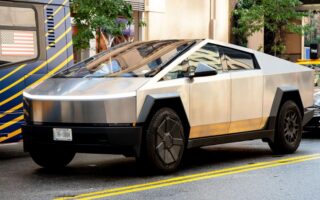
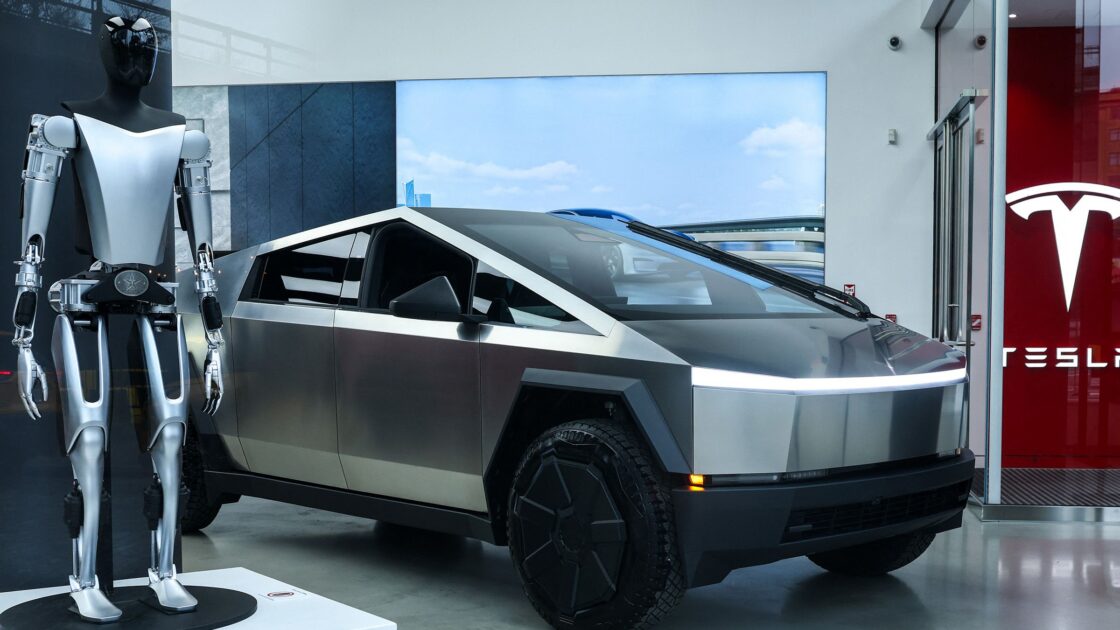
Tesla appears to be ending production of its polarizing Cybertruck less than four years after the vehicle’s debut. The announcement has sparked a divided response online, ranging from praise for the electric pickup’s design to harsh criticism of its reliability and performance.
A History of Technical Troubles
The Cybertruck has faced significant challenges since its 2019 unveiling, where a demonstration of its supposedly unbreakable windows resulted in the glass shattering twice. Beyond its public relations hurdles, the vehicle was plagued by mechanical issues before reaching customers. A 2022 internal report leaked to WIRED revealed fundamental design flaws in pre-production models, including problems with suspension, braking, noise levels, and body sealing.
Once on the road, the truck was subject to numerous recalls. In 2024, a recall was issued due to an accelerator pedal pad that could become trapped, potentially causing the vehicle to accelerate unintentionally. Other issues included trim panels detaching due to improper adhesive and faulty brake rotors that risked wheel separation. By late 2024, iSeeCars executive analyst Karl Brauer told WIRED that the vehicle’s recall record made it “worse than 91 percent” of all other 2024 models.
Sales and Market Reception
Despite Elon Musk’s claims of massive demand and over a million reservations, the Cybertruck struggled to gain traction in the market. By March of last year, total sales remained under 50,000 units. Data from Kelley Blue Book, cited by EVWire, indicated that Tesla sold 11,586 units in the U.S. during the first three quarters of this year, representing a 28 percent year-over-year decline. The news of the production halt followed a price increase and a pause on new orders for the entry-level Dual-Motor AWD model.
The vehicle’s unique stainless steel body, which is manufactured exclusively at Gigafactory Texas, has also been a point of contention, with reports of the material rusting in some instances. Even attempts to promote the truck to high-profile figures like Donald Trump were unsuccessful; the President opted for a Model S Plaid instead, reportedly impressed by the interior technology.
Shifting Focus to Autonomous Vehicles
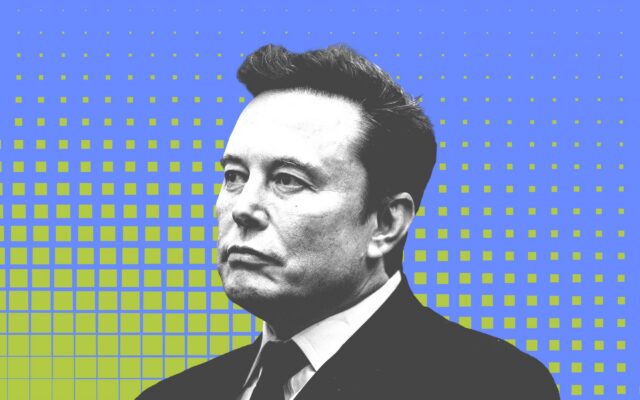
Elon Musk stated that the decision to discontinue the Cybertruck is driven by a strategic pivot toward the Cybercab, an autonomous vehicle central to the company’s robotaxi ambitions. While the Cybertruck faced widespread criticism, it maintained a small, dedicated group of owners who faced social backlash and public taunts.
Tesla has not responded to requests for comment regarding the total cessation of Cybertruck manufacturing. Wes Morrill, the lead engineer for the Cybertruck, noted on X that the truck served as a “technology development platform” that will influence the future of the Cybercab. Musk, who has expressed a desire for Tesla to be viewed as a robotics and autonomous vehicle company rather than a traditional automaker, is now looking to scale production of the Cybercab, which began limited operations in Austin earlier this year.