Montana voters have approved a measure to restrict corporate political spending, marking a significant challenge to the Supreme Court’s 2010 Citizens United ruling. Approximately 65% of voters supported Initiative 194, known as the “Montana Plan,” in a state that President Donald Trump won by nearly 20 points in 2024.
The Montana Plan
The initiative, which is scheduled to become law on January 1, aims to bypass the Citizens United precedent by targeting the legal status of corporations rather than directly restricting political speech. Under the plan, Montana would strip corporations, trade associations, labor unions, and nonprofits—including those based outside the state—of the legal authority to spend money to influence local elections.
The measure includes a unique enforcement mechanism: violators could face the loss of state-granted privileges, such as limited liability protection, until they surrender improperly spent funds and meet legal requirements. Kal Munis, a politics professor at Montana State University, explained to CNBC that the strategy essentially threatens the personal balance sheets of shareholders if their corporations engage in prohibited political spending.
Proponents argue that because corporations derive their legal existence from state charters, states possess the authority to regulate their political activities. “If a single state can successfully deny corporate power over elections, it proves that Citizens United wasn’t the final word on democracy, and we will continue battling,” said Tom Moore, a former Federal Election Commission official who helped develop the proposal.
Legal Challenges and Opposition
The law faces significant hurdles, as critics contend it is an unconstitutional attempt to circumvent the Supreme Court. Brad Smith, former FEC chairman and head of the Institute for Free Speech, argued that the measure would silence small businesses and local groups while failing to stop wealthy individuals from influencing elections. He noted that the law exempts media corporations and individual donors, such as Elon Musk, who could continue to spend personal fortunes on political causes.
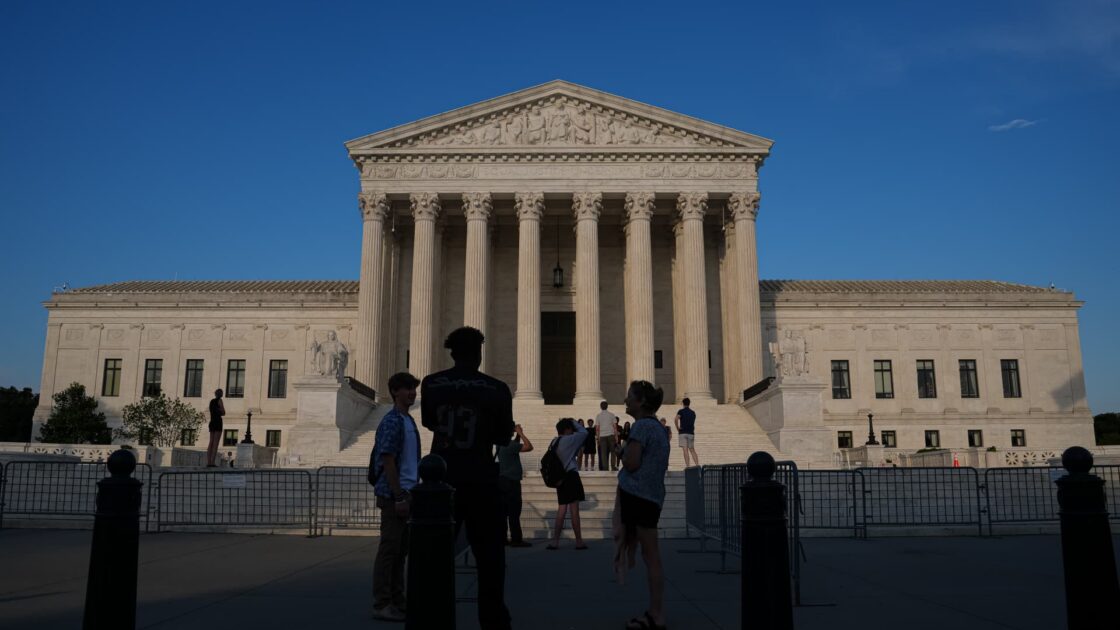
Legal experts suggest the dispute is likely headed to the Supreme Court. Michael Kang, a professor at Northwestern Pritzker School of Law, told CNBC that courts may view the initiative as a “legal sleight of hand” intended to bypass established precedents. A similar law enacted in Hawaii is already facing legal challenges from the U.S. Chamber of Commerce and the ACLU, which argue that such restrictions violate the First Amendment.
Montana has a history of attempting to regulate corporate influence. In 1912, voters passed a ban on corporate campaign spending that remained in effect for a century until the Supreme Court overturned it in 2012 following the Citizens United decision. While Montana’s Republican-controlled legislature has the power to amend or repeal the new initiative, proponents have vowed to return the issue to voters in 2028 if the law is challenged.