Table of Contents
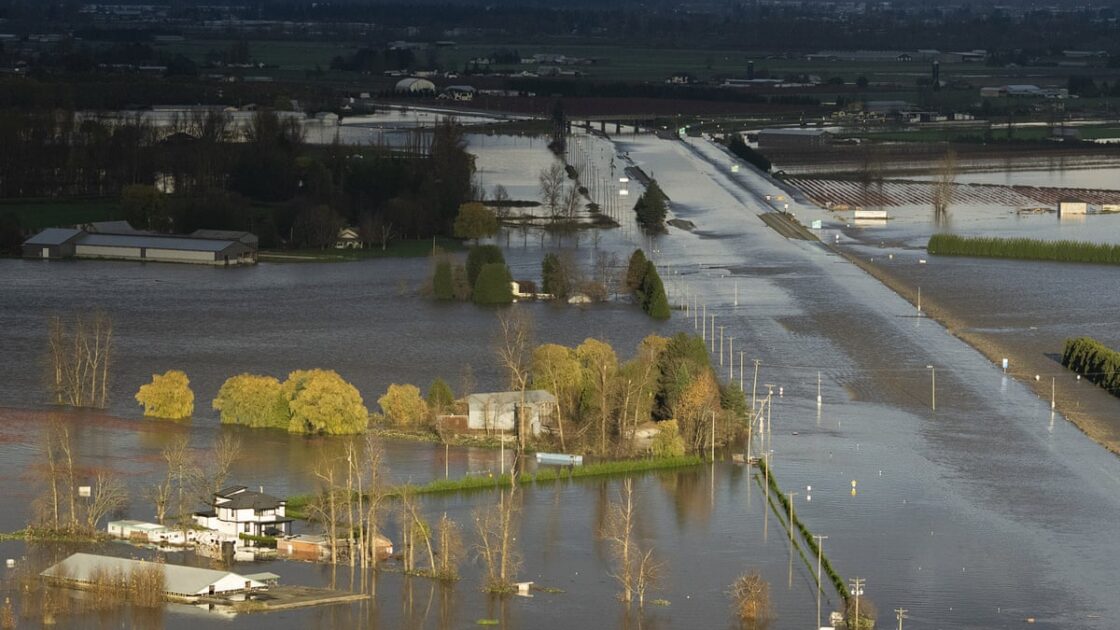
In 2021, Chelsey Sharpe, then a part-time yoga instructor, was driving home through southern British Columbia when a massive mudslide swept her vehicle off Highway 7. The disaster, which occurred during a period of intense rainfall linked to climate change, left Sharpe stranded in a debris-filled swamp for hours before she was rescued.
A Journey Interrupted
Sharpe had been visiting a friend in the Okanagan region for the Remembrance Day weekend. She began her drive home in the afternoon, unaware that severe weather had already prompted road closures across the area. As she traveled through Agassiz, she encountered heavy rain and dark conditions. Near the town of Hope, she noticed power outages and eerie, darkened streets, but decided to continue toward her destination, estimating she was only 90 minutes away.
While driving between Hope and Agassiz around 7 p.m., Sharpe spotted a tree beginning to fall across the mountain road. She accelerated in a split-second attempt to clear the path, but her car was immediately struck by a mudslide. “A split second later my car was hit, almost like a freight train crashed into the passenger side,” she recalled. The vehicle was pushed and tumbled before coming to a stop in a pile of mud, boulders, and fallen trees.
Survival in the Dark
Trapped in the wreckage, Sharpe realized she was in an emergency after hearing her own screams and the sound of her car horn. She discovered her car was partially submerged in dark, muddy water. Using an old phone without a SIM card, she managed to reach emergency services. She eventually connected with the Agassiz fire department, where she spoke with the fire chief, Corey, who remained in contact with her throughout the night to monitor her condition and that of other survivors nearby.
Sharpe managed to escape her vehicle through a broken sunroof caused by a fallen tree, perching on top of the trunk to stay above the rising water. She discovered other survivors nearby, including four university students and a couple in a truck. As the night progressed, she used deep breathing and meditation to manage the physical toll of shivering in her wet clothing and to cope with the psychological stress of the situation.
The Rescue and Aftermath
At approximately 1 a.m., search and rescue teams reached the group. Sharpe and the others were guided through waist-deep water and rocky debris to safety. After being triaged at a hospital in Chilliwack, she returned home the following morning. The experience left her with lasting impacts, including symptoms of PTSD and recurring dreams about environmental disasters.
In the years since the incident, Sharpe has sought professional support and pursued an education in counseling. Reflecting on the tragedy, she noted that while she would not choose to relive the event, it has provided her with a new perspective on life and the importance of personal resilience. “My hope is that anyone who is reading this realises they are empowered inside of their own life, and they can make a big difference, even if we feel small,” she said.