Table of Contents
Traveling with video game consoles requires careful preparation to navigate airport security regulations smoothly. While portable systems and home systems are both permitted, understanding national safety guidelines ensures a hassle-free trip through the security checkpoint.
Battery Rules and Carry-On Requirements
Handheld gaming devices such as a Steam Deck or a Nintendo Switch 2 typically operate on lithium-ion batteries. Under Transportation Security Administration regulations, all electronics powered by lithium-ion batteries must remain in carry-on baggage to prevent thermal runaway, a dangerous condition where batteries overheat uncontrollably and potentially ignite a fire. Retro systems that rely on disposable alkaline batteries, such as a Game Boy, are exempt from this restriction.
Travelers may occasionally need to power on their devices to verify they are operational, but should otherwise keep them completely shut down to prevent sleep mode activation and subsequent overheating inside a bag. Because home console controllers also rely on lithium-ion batteries, they must travel in carry-on luggage as well. Xbox controllers serve as an exception if they use standard AA batteries instead of a separate rechargeable battery pack.
Protecting Home Consoles in Transit
Although home systems like the PlayStation 5 are permitted in checked baggage, Engadget points out that cargo holds subject luggage to rough handling and shifting. Furthermore, data indicates that property loss accounts for roughly 63.5 percent of consumer claims filed with the agency between 2002 and 2025.
Given the high cost and delicate internal components of modern gaming hardware, keeping consoles in the passenger cabin provides better security. Travelers who must pack a console in checked luggage should use a padded protective case and include a tracking device such as an AirTag.
Navigating Airport Security Checkpoints
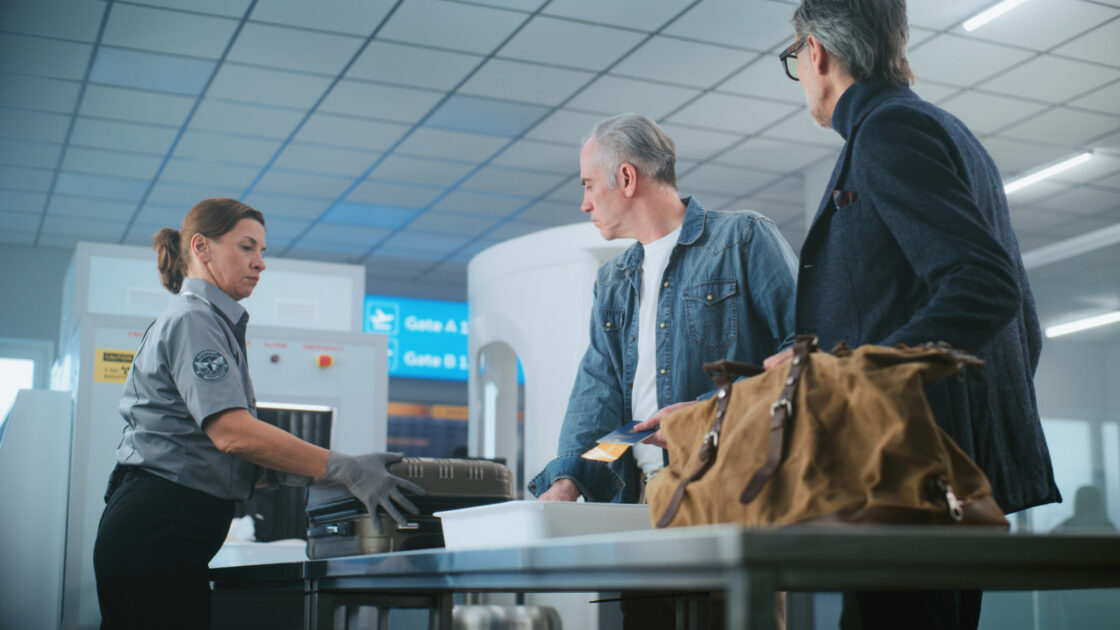
Screening procedures for electronics vary depending on the airport. Facilities equipped with modern 3D CT scanners allow passengers to leave electronics and liquids inside their bags. At airports still using traditional X-ray equipment, travelers must place larger electronics like consoles into a separate bin.
Passengers carrying uncommon or niche hardware that security staff might struggle to recognize should proactively inform an agent at the checkpoint. Mentioning the device beforehand helps prevent delays and avoids having the bag pulled aside for a manual inspection.