Table of Contents
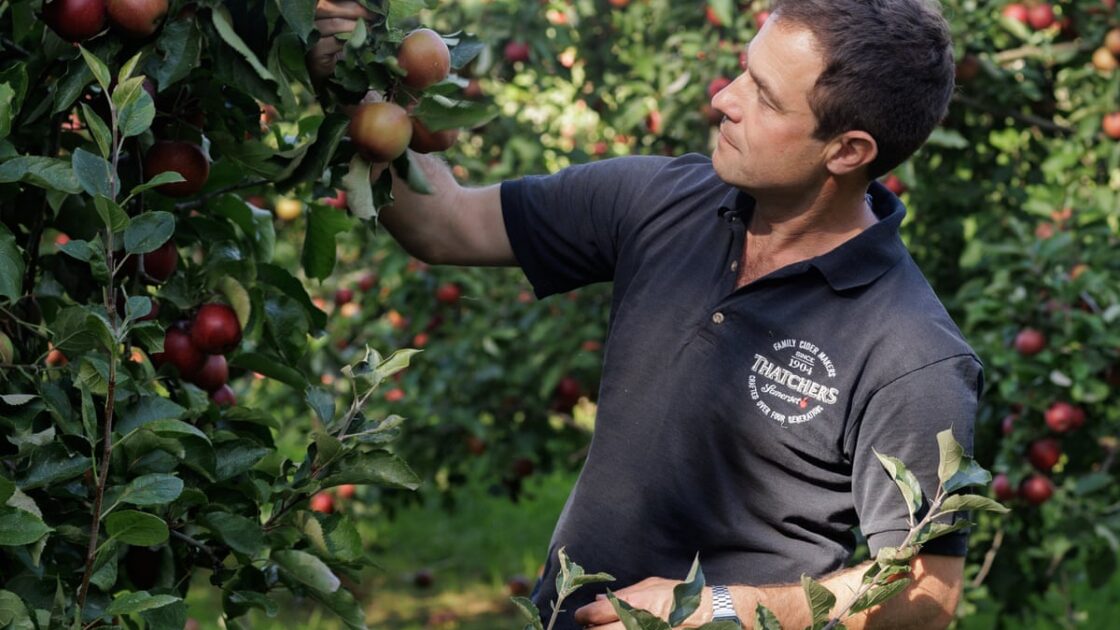
Farmers across the United Kingdom are turning to science and nature to help apple orchards adapt to shifting temperatures, rainfall patterns, and pests. At Myrtle Farm in Somerset, home to Thatchers Cider, researchers are analyzing thousands of trees to find robust varieties capable of withstanding extreme weather.
The Search for Resilient Apple Varieties
Myrtle Farm recently experienced the earliest harvest in its 122-year history. To counter the deepening climate emergency, the farm established an experimental orchard containing 3,800 trees divided into rows of 100, with each row producing a different variety. According to managing director Martin Thatcher, the trials aim to identify disease-resistant and pest-resistant apple types that crop reliably and handle extreme weather in Somerset. Thatcher noted that introducing a new variety takes considerable time, as each tree requires seven years to produce a fruit crop and can live for up to 40 years.
The experimental initiative stems from an effort nearly 30 years ago when John Thatcher rescued 458 varieties of cider apples from the Long Ashton research station, a government-funded center established in 1903 before its closure. Martin Thatcher explained that cuttings were taken of every single variety to create a diverse collection. The farm evaluates these trees to see which ones produce exceptional cider and thrive under modern conditions before moving them into 100-tree trials.
Thatcher is working to reduce pesticide use by finding varieties with natural resistance to pests and diseases that blossom when spring conditions favor pollinators like bumblebees and honeybees. Another key focus is identifying varieties that require less winter chill. Apple trees need a sustained cold period during winter to complete dormancy and properly develop fruit buds in the spring, a requirement that was barely met during recent milder winters.
Orchard manager Chris Muntz Torres highlighted jonagold, a cross between a golden delicious and a jonathan apple, as a standout performer in recent trials due to its strong vigor and robust root system that grows successfully regardless of the weather.
Wildflowers and Water Management
Myrtle Farm has also introduced wildflower strips between orchard rows to attract beneficial insects that prey on pests like the rosy apple aphid. Research indicates this approach can save growers up to £3,000 per hectare annually while supporting native pollinators. Nigel Jenner, head of agronomy for tree fruit at AM Fresh UK, stated that about 70% of independent British apple growers he works with have planted wildflower strips over the past five years.
Independent growers are also adopting advanced water management techniques. Instead of traditional visual checks, farmers use neutron probes to measure water deficits and encourage deeper root growth. By letting the top 65mm of soil dry out, trees are forced to hunt for water, which reduces the overall need for irrigation.
Regenerative Farming and Soil Health
To improve soil health, Thatchers utilizes regenerative farming by sowing herbal leys—mixtures of grasses, legumes, and deep-rooted herbs like chicory—before planting new trees. Sheep graze on the land, and their hooves help improve soil structure while recycling nutrients. Thatcher reported that fields previously used for continuous cereals or maize showed at least a 20% improvement across key soil metrics within three years.
Muntz Torres noted that 14,000 young trees planted in this regenerated soil in March 2025 achieved a survival rate above 99.9% despite two very dry years. The organic matter acts like a sponge to retain moisture, while apple roots follow chicory roots deep into the soil structure in a biological exchange that nourishes microbes.
Independent growers represented by Jenner are similarly planting new cultivars such as magic star, a firm, juicy red apple that resists scab, a common disease requiring frequent spraying. Jenner added that warmer conditions are even allowing some farmers to successfully cultivate varieties typically grown in warmer countries like Australia, such as Pink Lady apples.