Table of Contents
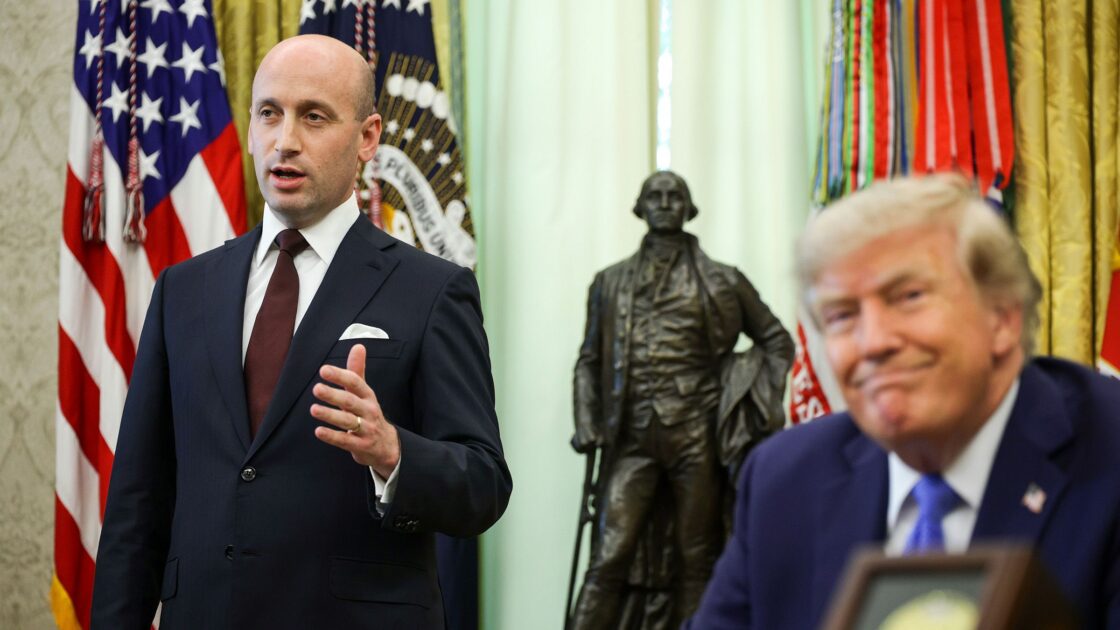
Donald Trump named Stephen Miller as the new White House chief of staff following the departure of Susie Wiles. Miller previously served as deputy chief of staff for policy and homeland security adviser, during which he orchestrated polarizing policies including a strict immigration crackdown.
Transition Following Midterm Defeat
Trump announced the leadership change on his Truth Social platform, stating that Miller would assume the role on Monday. The announcement came less than a week after Republicans lost both the House and Senate in what was considered a sharp rebuke of the presidential policy agenda. According to sources familiar with the matter, Trump privately blamed Wiles for the poor midterm performance, which marked the worst Republican showing in decades. Wiles subsequently submitted her resignation on Thursday.
The sources report that Trump considered three potential candidates to succeed Wiles: special envoy Steve Witkoff, director of national intelligence Jay Clayton, and Miller. Facing the prospect of congressional investigations starting next year, Trump ultimately chose Miller due to his fierce loyalty and strong defense of the president. Miller has maintained a presence alongside Trump since the initial 2001 campaign and remained supportive throughout the political exile in 2021.
West Wing Shifts and Departures
Sources indicate that Miller had expressed interest in the position within the West Wing for weeks, following negative reports before the midterms that placed Wiles’ job security in question. In recent months, Trump began excluding Wiles from specific decisions, fueling beliefs among detractors that her position was vulnerable. Examples included the hiring of press secretary Katie Zacharia without consulting Wiles, though the White House contested that claim.
Following the departure, White House aides anticipated additional personnel adjustments. Deputies James Blair, who designed the GOP midterm strategy, and Richard Walters are viewed as likely targets for dismissal by Miller unless they submit their resignations first, according to sources. Conversely, the leadership transition may provide relief for Defense Secretary Pete Hegseth. Hegseth experienced a strained relationship with Wiles recently but shares an ideological alignment with Miller.
Hegseth and Miller collaborated closely last year when the administration initiated a strike campaign against vessels near Venezuela, which Miller directed through the Pentagon in his capacity leading the Homeland Security Council.
Wiles’ Tenure and Departure
Wiles departs the administration after maintaining Trump’s confidence from the beginning of the second presidential campaign in 2021, contrasting with the frequent turnover of chiefs of staff during the first term. Her recent months involved navigating personal and professional challenges, including successful chemotherapy treatments and addressing allegations regarding lucrative contracts awarded to her daughter due to family ties to the president, claims that the White House and the daughter’s firm disputed.
“Serving President Trump in the White House has been the honor of a lifetime,” Wiles wrote on X. “I’m so proud to have been a part of what we’ve accomplished together from securing our border and cutting taxes to strengthening our economy and putting America First.”