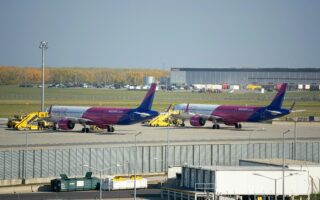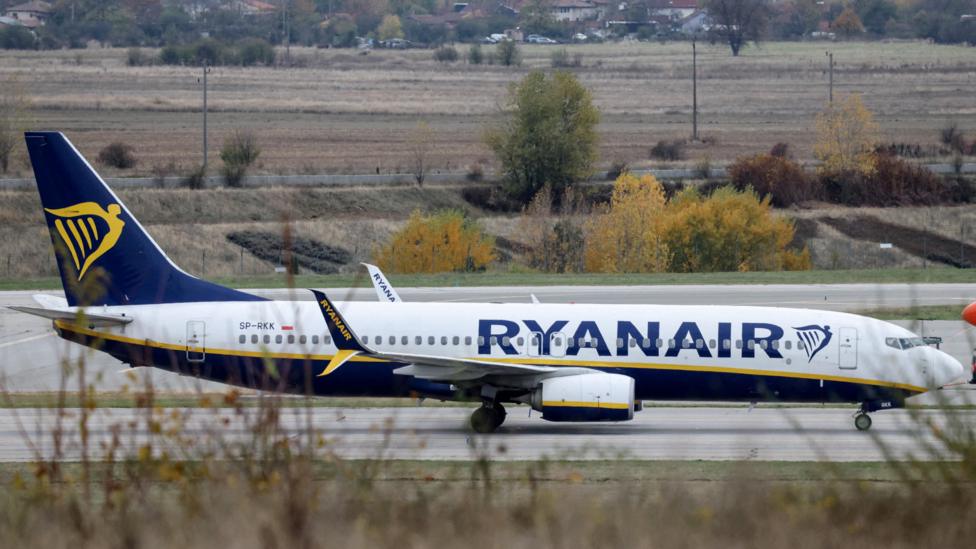
A series of at least 32 bomb threats targeting a dozen airlines over a four-span period has presented the aviation industry with a significant new challenge. The warnings arrived through phone calls and emails, and although every single incident proved to be a hoax, each one necessitated immediate emergency intervention.
Emergency Actions and Operational Disruption
The security alerts forced various emergency measures, including military jet escorts for some aircraft and discreet mid-air inspections by cabin crew seeking to prevent passenger panic. Several flights had to divert from their planned routes and land at alternative airports, occasionally in different countries. As reported by BBC News, an Aer Lingus flight was forced to touch down at an airbase 1,000 kilometers away from its original destination after depleting much of its fuel supply.
Airlines currently lack clear information regarding who is responsible for the persistent disruption experienced throughout the week. Because passenger safety is paramount, carriers are obligated to treat every notification as genuine. Kingston University aviation expert and former commercial pilot Marco Chan explained that airlines utilize a triage system while following identical protocols until they can verify the absence of danger. Such procedures might entail a cabin check during flight followed by a thorough search upon landing. Passengers might remain unaware of a problem until instructed to leave the aircraft, which causes inconvenience that remains a minor concern compared to safety risks, according to Chan.
Financial Impact and Security Investigation
While the presence of explosive-detection dogs and specialized response teams on airport tarmacs can frighten travelers, the immediate disruption has affected only a few thousand passengers. Aviation security expert Paul Mason noted that while affected carriers will incur financial expenses, aircraft diversions occur routinely for various reasons. Weather conditions, technical faults, and medical emergencies cause over a hundred daily diversions on some days, vastly exceeding the number of hoax-related changes. Consequently, airlines possess strong capabilities for handling unforeseen circumstances, though passengers will likely struggle to secure refunds since operators bear no responsibility for the events, as explained by Mason.
The absence of reliable intelligence identifying the culprits and the seemingly random selection of targets remain the most concerning elements of the recent events. Aside from emails pointing to an extremist misogynist group that claimed responsibility for a small portion of the incidents—a claim subsequently rejected by the group’s founder—investigators have found minimal evidence. Drawing on two decades of military background, Mason described the events as characteristic of hybrid warfare, which employs unconventional tactics like cyber attacks. He noted that the situation feels organized and could involve proxy actors, offering an effortless method to generate chaos and disruption while maintaining plausible deniability. Tracing perpetrators becomes extremely difficult if they utilize advanced technology, although individuals attempting copycat threats risk severe legal consequences.
Under the Aviation Security Act 1982, intentionally transmitting false or misleading information that threatens aircraft safety constitutes a major criminal offense punishable by a maximum sentence of life imprisonment. While airports and carriers cannot prevent incoming threats due to the wide variety of potential sources, the severe legal penalties serve as a deterrent. Mason warned that individuals who view the actions as a simple joke will likely be tracked down unless their methods are highly sophisticated, ultimately resulting in prison sentences.