Table of Contents
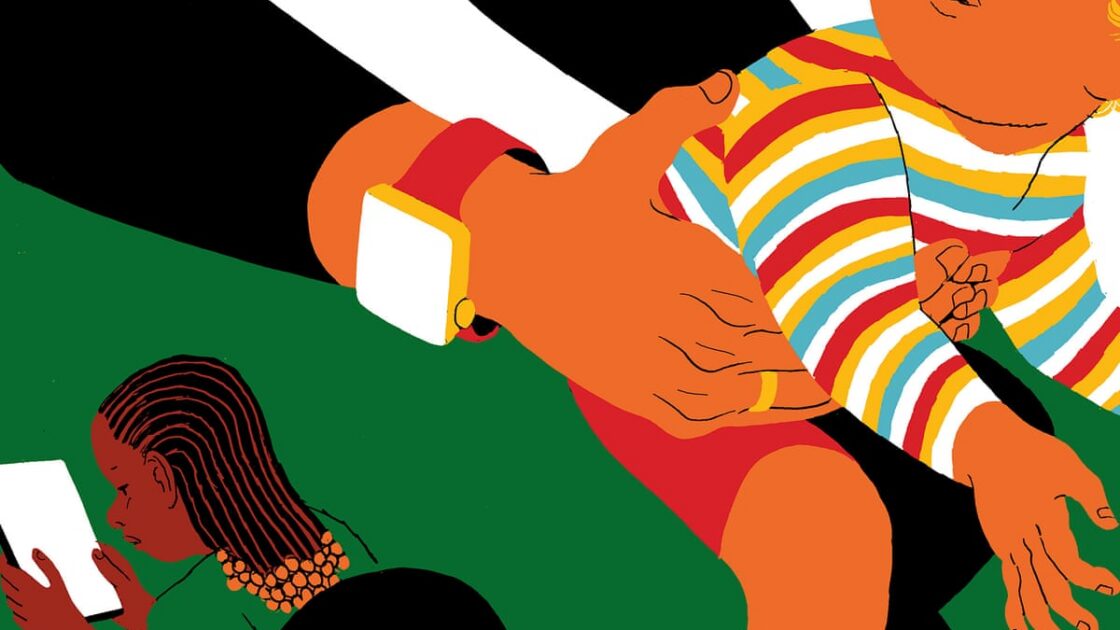
Parents working in the Silicon Valley tech industry are increasingly seeking alternatives to screen-heavy education, enrolling their children in nature-based private schools or organizing to reduce digital devices in public classrooms. While affluent families can afford alternatives, experts and parents warn that less-resourced school districts risk being left behind with unwanted educational technology.
The Demand for Screen-Free Education
German Gil, a software engineer who has worked for companies like Netflix and Facebook, enrolled his daughter Victoria at the San Francisco Waldorf school to give her a screen-free childhood experience. The private school, located in Pacific Heights near the headquarters of AI giant Anthropic, charges kindergarten tuition of $40,000 a year and up to $60,000 for high school. According to the school’s executive director, Lauren Smith, applications for early childhood enrollment have grown notably, with many new parents coming from the tech sector.
As evidence grows regarding the negative impacts of social media and excessive platforms on young people, parents and governments are re-evaluating technology in education. David Monahan, campaign director of the US advocacy organization Fairplay, stated that buzz around limiting children’s screen use is much higher now than in previous years. Major US districts such as New York City and Los Angeles have recently embraced tech rollbacks.
Silicon Valley parents bring firsthand industry knowledge to these efforts. Jennifer Jacobsen, a school board trustee in the San Mateo union high school district, noted that when the district formed a taskforce last year on AI in schools, volunteer members included professionals from major tech companies like Google’s AI division. These professionals understand where technology products are heading and their potential impact on education better than the average community member.
Public School Pushback and Ed Tech Concerns
Many American public-school parents are surprised to find screens introduced into classrooms at very young ages. Writer Jillian Kolongowski was stunned when her five-year-old daughter received a Chromebook for kindergarten math practice, while Palo Alto college counselor Candice Wei was shocked by the lack of guardrails for her kindergarten-age son’s screen use in class.
Surveys show that 99% of US schoolteachers report receiving school-issued devices, with 81% providing screens by kindergarten. However, experts warn about the omnipresence of technology. Yvonne Kao, senior director of learning sciences and technology at WestEd, explained that students are more likely to put effort into pleasing a human teacher or parent than a computer. Research also indicates that students retain information better using pen and paper compared to screens.
Organized parents are starting to make an impact in public districts. San Mateo public schools have stopped sending Chromebooks home for kindergarten through second grade and implemented a blanket cellphone ban for high schoolers. Mountain View schools are moving away from the adaptive reading and math program i-Ready following criticism over repetitive lessons and data sharing concerns. A Curriculum Associates spokesperson defended i-Ready, stating that claims in litigation are without merit, the company does not sell student data or use it for advertising, and all information use complies with federal and state laws. Meanwhile, Palo Alto public schools have prohibited “smart” glasses.
Equity Concerns and the Future of Public Education
While advocates are encouraged by these changes, they worry that less-resourced districts will remain stuck with digital learning tools that wealthier communities are abandoning. Jon Valant, director of the Brown Center on Education Policy, noted that parents across all income levels want human-to-human education, but private schools afford higher staff salaries with more adults in the buildings.
Valant expressed concern that when budgets get tight, the temptation to replace people with technology becomes hard to resist. The funding gap could widen further as the Trump administration supports school choice programs using vouchers or education savings accounts for private schooling, pulling funds away from public schools when students leave.
Stanford Graduate School of Education professor Antero Garcia warned that every student opting out of public school reduces funding, leading to fewer teachers, potential school closures, and larger class sizes. Garcia added that parents with the means to leave also possess the social capital and resources necessary to change public schools for everyone else.