Chemical contamination at a former RAF base earmarked for 9,000 homes is the worst found in the UK, a report has revealed. Testing at RAF Upper Heyford carried out on behalf of a developer found unacceptable levels of polyfluoroalkyl substances, which are commonly known as forever chemicals.
Testing and Contamination Levels
The results of the site investigations were uploaded to Cherwell District Council’s website as part of a planning application. According to the author of the report, the contamination levels were higher than those in the village of Bentham in Yorkshire, which was previously determined as having the highest level of PFAS in the UK.
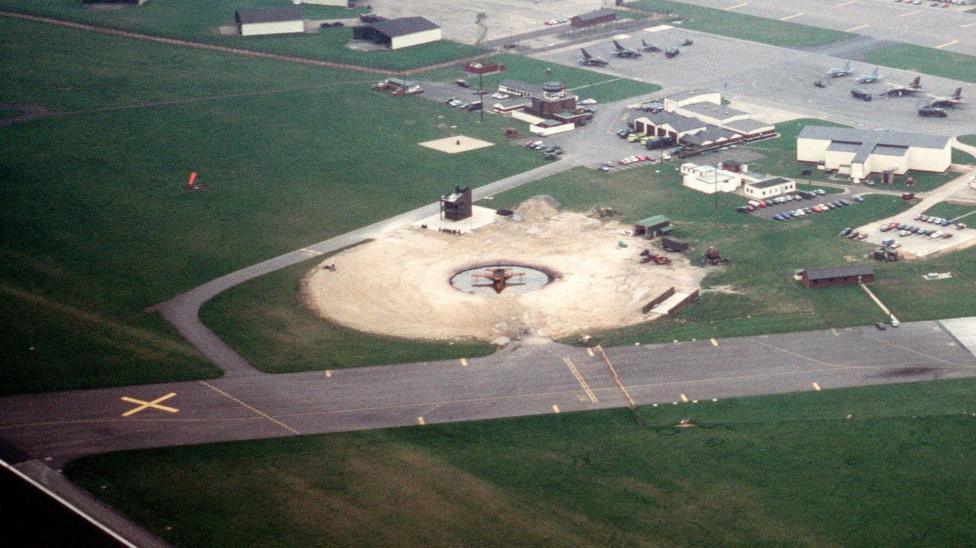
The Environment Agency stated that military sites and airports are hotspots for PFAS because these substances were used extensively in firefighting foams for decades. At RAF Upper Heyford, firefighters practiced extinguishing an aeroplane set on fire above a fuel pond. This training area was identified as the most significant ongoing source of PFAS contamination, located a few hundred metres north of existing developments.
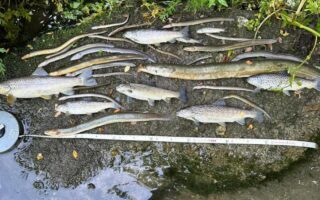
Another report into ground and surface water found that contamination was widespread across the site, with all samples exceeding environmental standards. Furthermore, independent testing by the Gallos Brook Environmental Group discovered elevated chemical levels in more than a dozen streams flowing from beneath the base.
Resident Concerns and Remediation Plans
Approximately 1,300 homes have already been built on the site. However, the findings have sparked concerns among residents regarding existing and approved developments, including a planned primary school. Groundwater and surface water results from the school site showed that PFAS exceeded safe levels according to environmental quality standards.
Local MP Calum Miller stated that understanding the exact level of contamination in the area is crucial, particularly for a primary school so that people can have real confidence it provides a safe environment for children. Residents living on and near the site have also expressed a desire for blood testing to check for disproportionate exposure. Leigh Radwell, a local resident, voiced distress over potential health risks after consuming vegetables from her garden, which borders a stream suspected of pollution.
Helen Christie from the Gallos Brook Environmental Group noted that the results confirm previous warnings from campaigners about site contamination, though she argued that testing conducted thus far has been inadequate. She emphasized that the primary duty of care must focus on the residents of the 1,300 existing homes and surrounding areas.
The report prepared for developer Dorchester Living indicated that the PFAS contamination could be managed through a phased remediation approach. Paul Silver, chief executive of Dorchester Living, stated that separate soil samples taken from residential areas confirmed the area is safe for use and that contamination levels were significantly lower than anticipated given the site’s history.
Silver added that the company continues to recognize its responsibilities as a landowner and developer, and is working alongside Cherwell District Council, the Environment Agency, and other relevant government bodies. Cherwell District Council has been approached for comment following the establishment of a working group involving the local authority, the developer, and the Environment Agency.