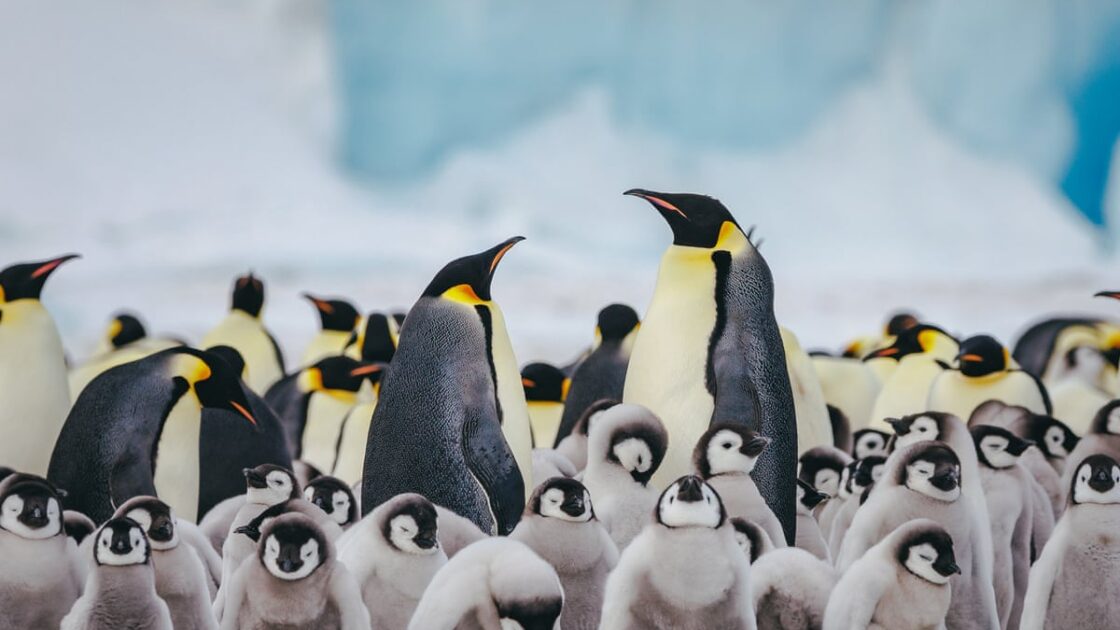
Penguin waste is causing Antarctic snow to melt at a faster rate by fueling the growth of specific algae, according to a recent study. As global temperatures increase, penguins are moving further toward the south pole, meaning this newly understood process could soon impact a much larger region.
The Role of Snow Algae in Melting
Snow algae consist of microscopic, single-celled plants that thrive in extreme cold environments. When nutrients are limited, these algae generate red pigments to shield themselves against sunlight, which simultaneously slows down their development.
Conversely, when nutrients become plentiful, the algae multiply rapidly and fill their cells with green chlorophyll to enhance photosynthesis and accelerate growth. Snow that contains green algae absorbs considerably more solar energy than snow featuring red algae, causing it to melt at an increased speed.
Investigating the Impact of Guano
Alia Khan of the University of Colorado led a research team to examine the effects of penguin waste on snow algae. The researchers collected samples of both red and green snow algae from coastal areas along the West Antarctic peninsula, comparing sites that housed penguin colonies with those that did not.
Published in the Journal of Geophysical Research: Biogeosciences, the findings demonstrate that penguins spread their guano across snowfields as they move, unintentionally providing nutrients to the algae and stimulating green blooms that promote snowmelt.
Current predictive models for Antarctic ice and snow melt do not yet account for this biological factor. However, researchers indicate that the effect could prove substantial, especially as penguin populations migrate southward.