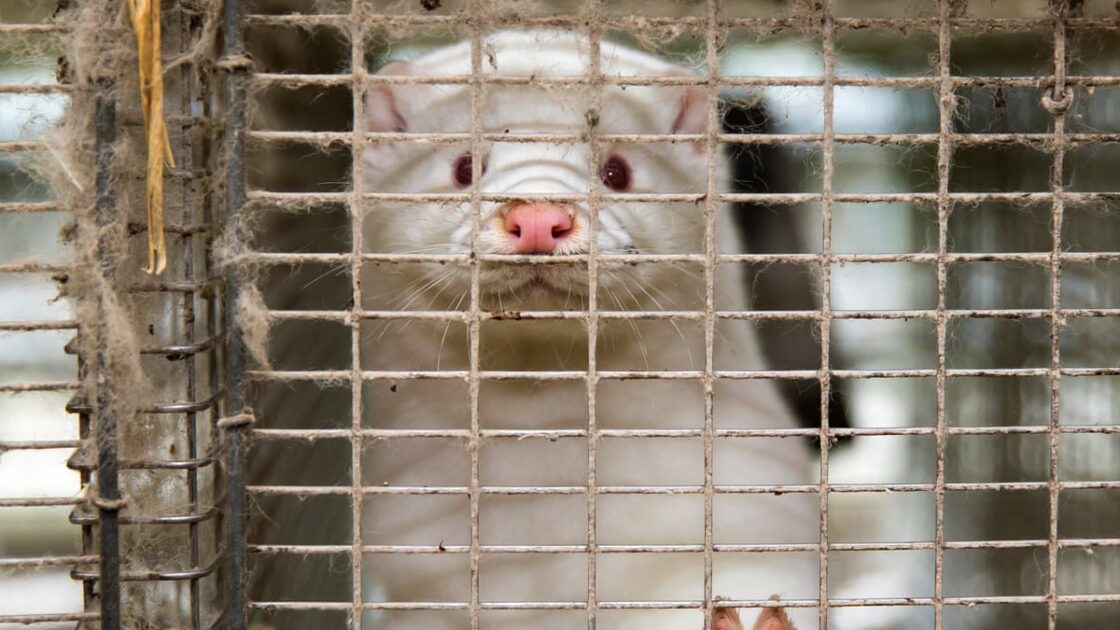
A report by ProPublica reveals that bird flu has been actively spreading in a mink farm in Utah since August, raising concerns that the location could serve as ground zero for the next global pandemic. Public officials have faced severe criticism for allegedly prioritizing commercial interests over human lives by failing to take decisive action to contain the outbreak.
The Danger of Mink Farms
Mink farms act as ideal environments for dangerous flu strains to emerge because mink are fed offcuts from chickens, cows, and other farm animals where new viral variants frequently develop. Furthermore, mink easily host both avian and human flu viruses, allowing these pathogens to exchange genetic material and transform a bird disease into a human one. These animals also possess extremely high zoonotic potential, meaning they can readily infect other species, including humans.
Avian flu variants that jump to humans can be exceptionally dangerous, with 48% of individuals known to have contracted the H5N1 variant since 1997 having died. Although the virus has devastated wild bird populations and some mammals, its transmissibility between humans remains extremely low so far. However, if a mink farm generates a variant that is both highly lethal and easily transmissible, the consequences could be catastrophic.
Official Response and Criticism
According to ProPublica, rather than shutting down the farm and culling the animals to contain the virus, Utah departments have attempted to suppress information about the outbreak. Public health officials reportedly failed to test workers or track their contacts, despite daily exposure to infected mink through handling, bites, and scratches, because state agriculture officials stated that farmers were annoyed by testing.
Utah state veterinarian Amanda Price described the outbreak as devastating while focusing on the impact on the farmer’s life work rather than public health implications. State officials chose not to declare an emergency because they reasoned it might alert animal rights groups, while the onset of flu season further increases the risk that a highly transmissible variant could develop.
Broader Agricultural Risks
All forms of livestock farming present high risks for generating and propagating pandemics, particularly when combined with mink operations that utilize chicken, pig, and dairy farming byproducts. Edible livestock industries function as disease amplifiers, creating conditions where low-pathogenic strains can mutate into more dangerous varieties.
Meanwhile, criticism has also targeted wider agricultural policy approaches, as some officials have previously suggested letting bird flu run through flocks to identify immune birds, a strategy compared to early pandemic laissez-faire approaches. Beyond pandemic risks, the livestock industry remains a leading factor in greenhouse gas emissions, habitat destruction, pollution, and the spread of antimicrobial resistance.