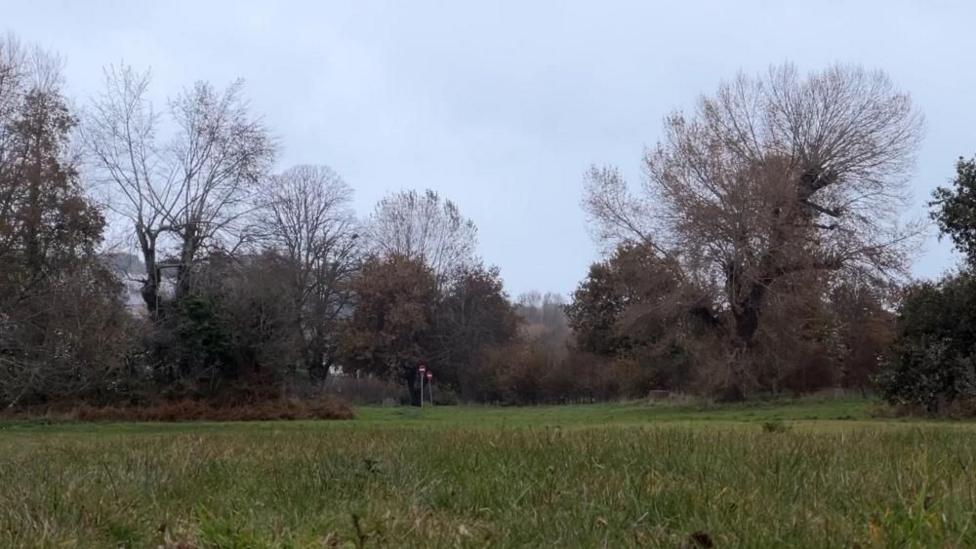
A scrutiny panel in Jersey has been told that the island is currently facing a biodiversity crisis amid growing concerns that the government is failing to prioritize environmental protection. Officials and conservationists emphasized the urgent need for comprehensive reports, increased investment, and strategic planning to safeguard local ecosystems.
Conservation Concerns and Government Response
Willie Peggie, the government director of Natural Environment, told the panel that the Environment Department required both time and resources to properly compile a state of nature report. He noted that any such report should align with similar assessments conducted in the UK, Guernsey, and Alderney.
Piers Sangan, who runs Sangan Island Conservation, described the biodiversity crisis as a situation marked by an increase in invasive species, a reduction in native species, and overall ecosystem decline. He stated that the government holds a responsibility to prevent the environment from falling by the wayside, calling it a fundamental part of the island.
According to Sangan, Jersey’s biodiversity strategy has been sidelined since the early 2000s, leading to the local disappearance of animals such as stoats. He pointed to a woeful lack of investment in ecology and warned that several bird species are struggling to maintain viable numbers.
“Even though they’re still here, they’re still breeding, they’re not increasing in number… They are more or less extinct already and are likely to go extinct in the next few years,” Sangan said, as reported by BBC News.
Environment Minister Senator Mary Le Hegarat acknowledged the challenges and stated that proper countryside management is essential to address the rise of invasive species. She emphasized that collaborative efforts are necessary, noting that authorities will establish the required policies and strategies.
Government officials anticipate releasing a state of nature report in 2027, which will serve to inform a newly developed biodiversity strategy.
Economic Value and Funding Debates
Joshua and Benjamin Voak, representing the Jersey Grazing Project which utilizes cows and sheep to restore habitats, also shared their perspectives with the panel. Joshua Voak expressed concern that the environment received little attention during the summer election, highlighting the numerous economic advantages of maintaining a healthy environment. Benjamin Voak added that biodiversity is vital for air and water quality as well as habitat retention.
Meanwhile, questions persist regarding the government’s overall commitment to environmental issues. Deputy Hilary Jeune, chair of the environment scrutiny panel, stated that ministers’ draft Common Strategic Policy failed to properly account for the natural environment, prompting the panel to work with Le Hegarat on an amendment.
Professor Liz Bentley, speaking as part of the Jersey Climate Council, recommended that Jersey allocate £10m annually to achieve net zero by 2050, contrasting with the current £4m provision in the Climate Emergency Fund. While acknowledging current financial pressures, she warned that postponing climate action will ultimately result in higher long-term costs.
In response, Le Hegarat stressed that ministers must exercise extreme caution regarding public spending. Although she could not provide a specific cost estimate for reaching the 2050 net-zero target, she defended the current fund investments as a positive path forward.