New Zealand voted in a new government as fog enveloped Wellington, with voters describing a prevailing national mood of flatness, apathy, and dread. Polling indicates that faith in politics is extremely low, with over half the population no longer viewing the country as a land of opportunity and fearing a worsening future.
A Perfect Storm of Economic and Social Pressures
While New Zealand was once viewed as a land of milk and honey with globally high positivity, University of Auckland happiness economics professor Robert MacCulloch told BBC News that the lifestyle has deteriorated. Many residents told BBC News that the decline accelerated during the Covid pandemic, leaving unemployment at an 11-year high and heavily impacting young people.
For individuals aged under 24, one in three either cannot secure enough work or has none at all. Twenty-year-old Michael Dawson told BBC News he has not secured a single interview despite applying for dozens of jobs over a year, leaving him cynical about the future.
Youth Inspire chief executive Zainab Ali told BBC News that demand for employment aid has reached unprecedented levels, with waitlists stretching into the hundreds. Households face severe pressures from soaring electricity bills, expensive rent and housing markets, and groceries priced among the highest in the developed world due to a supermarket duopoly.
The healthcare system is grappling with long waiting lists, understaffing, and crumbling infrastructure, highlighted by a patient’s death in an emergency department toilet after a nine-hour wait in July. Victoria University of Wellington political scientist Luke Oldfield told BBC News that one segment of the population faces material hardship while another fears becoming next.
This combined pressure is driving a record-breaking daily exodus of about 180 people leaving the country. Siblings Sam and Emily told BBC News that while they love New Zealand, staying feels like an active punishment as friends and peers leave en masse.
Conversely, optimism persists in other sectors, such as agriculture. Stu Morton told BBC News at a Feilding saleyard that the past year was his best in a 30-year career, crediting a stable government and a positive attitude for the agricultural industry’s turnaround under the National Party.
Political Disillusionment and Unclear Mandates
Former Prime Minister Helen Clark told BBC News that these issues are sparking a crisis of confidence regarding national identity and direction, noting that young people feel increasingly isolated and trust in government institutions has plummeted. Saturday’s election resulted in voters deserting the two major parties and denying either a clear mandate, while bringing new highs for the Greens, the Act Party, and the Opportunity Party.
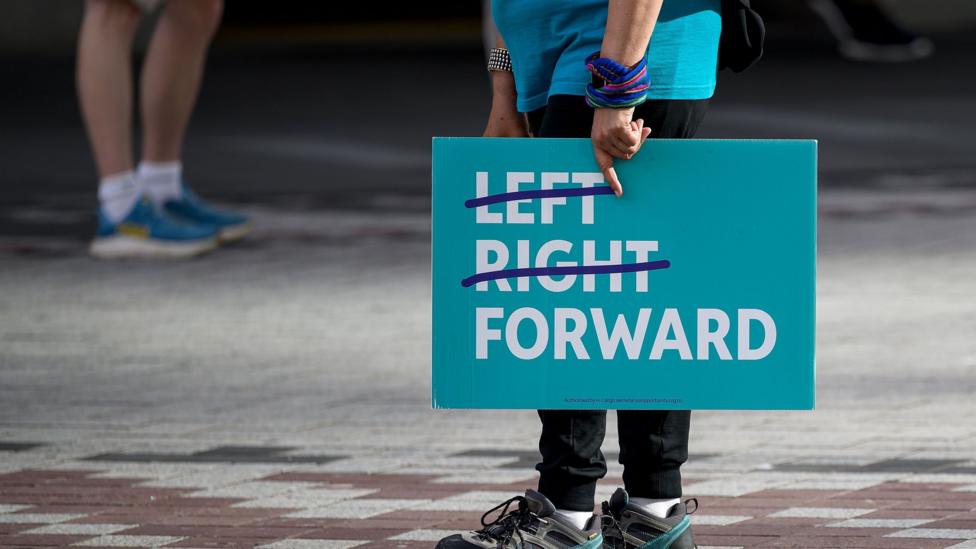
Opportunity Party leader Quilae Wong told Kiwis on election night, as reported by BBC News, that voters had changed New Zealand politics for good out of frustration with the slow pace of change. Political commentator Grant Duncan told BBC News that neither major party has fielded a strong, inspiring leader or delivered satisfying results, leaving voters feeling that the political landscape has grown stale.