Table of Contents
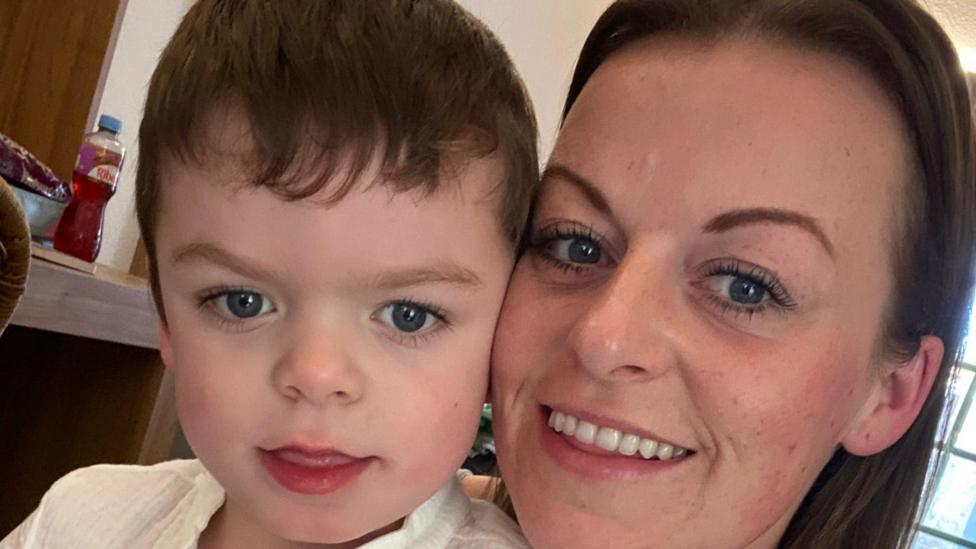
The mother of a five-year-old boy diagnosed with a rare form of dementia faces a nearly £3 million bill to secure a life-saving treatment for her child. Tate McDaid from Swansea was four years old when he received his diagnosis for Sanfilippo Syndrome, a condition affecting just over 100 children across the United Kingdom.
The Challenge of Accessing US-Approved Gene Therapy
In September, authorities in the United States approved the first gene therapy designed to treat this condition in children. As reported by BBC News, his mother Tammy spent months praying for the approval, only to discover that the one-time treatment carried a price tag of $3.95 million, equivalent to about £2.95 million per child, leaving it unclear how international families without US health insurance will cover the expense.
Tammy reached out to Ultragenyx, the developer of the drug named FAYUVI, to understand how non-US citizens might afford the therapy. While acknowledging the coverage available through American health insurance, she questioned how families in the UK and globally could manage the cost. In response, Ultragenyx stated that providing a single cost estimate for an international patient is impossible because expenses depend entirely on individual medical needs and the treating institution.
Understanding Childhood Dementia and the Race Against Time
Sanfilippo Syndrome Type A, also known as Mucopolysaccharidosis type III (MPS III), results in the gradual loss of vital abilities like walking and eating. Because of its neurodegenerative progression, doctors often refer to the condition as childhood Alzheimer’s or childhood dementia. Data from the Society for Mucopolysaccharide Diseases charity indicates that approximately 140 children live with the condition in the UK. Although no cure currently exists, the new therapy could delay the onset of symptoms and allow Tate to remain active longer.
With Tate turning six this month, Tammy emphasized that time is running out because the condition can progress more rapidly after age five. She noted that Tate is already exhibiting signs of cognitive decline, warning that older patients benefit less from the treatment and lose more abilities during the process. Having started fundraising before the US Food and Drug Administration approval, Tammy has raised over £160,000, which accounts for only about 5% of the total estimated cost. She hopes the pharmaceutical company might eventually offer a lower price, though it would still remain in the millions.
Exploring Pathways to Treatment
Ultragenyx stated that US approval marks an important initial step in their global regulatory strategy to bring the treatment to families worldwide. The company acknowledged the urgency felt by affected families and noted that some might consider traveling to the US, advising them to consult healthcare providers about potential access pathways first. Meanwhile, health officials from Wales, including staff from the Noah’s Ark Children’s Hospital in Cardiff, have been in discussions with US counterparts to explore potential access options for Tate.