Table of Contents
As election results continue to trickle in, Israel’s veteran Prime Minister Benjamin Netanyahu has performed better than widely predicted, with his Likud party emerging as the largest single party. His existing bloc with ultra-nationalist and ultra-Orthodox Jewish parties appears to be just short of a 61-seat majority in the 120-seat parliament, though analysts caution that early counts skewed toward strong right-wing areas.
Uncertain Outcomes and Coalition Challenges
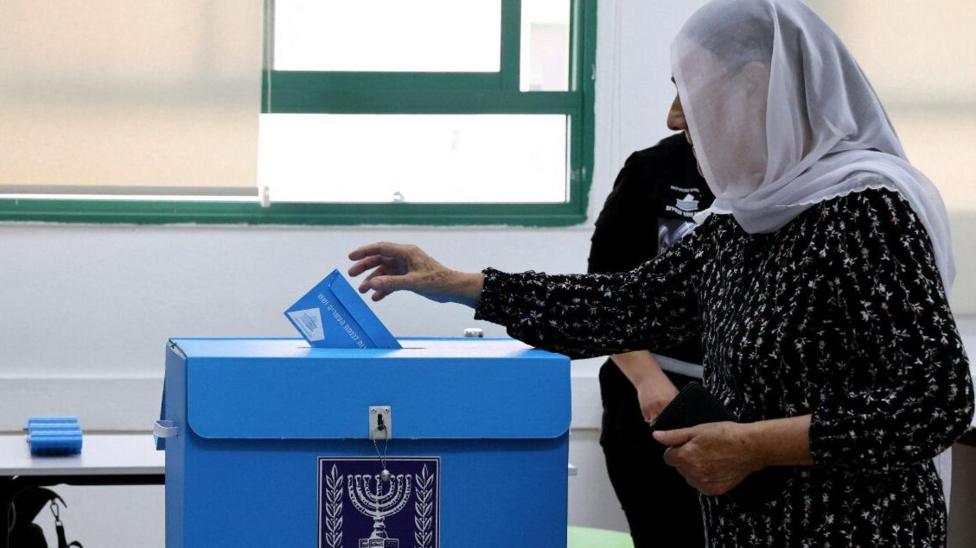
A dramatic deadlock had been widely forecast as Israeli voters turned out in numbers reaching more than 77%. In the country’s fragmented political system, signs indicate that Netanyahu’s main rival, former army chief Gadi Eisenkot, would struggle to command a parliamentary majority without parties led by Israel’s Arab minority. According to partial results, Arab-led parties have equalled or gained on their previous record number of seats.
Most Jewish opposition parties pledged during the campaign not to work with Arab-majority lists, citing a lack of shared values. However, Arab Israelis—who often identify as Palestinian citizens of Israel and make up one-fifth of the population—appeared to turn out in unprecedented numbers, positioning their parties as potential kingmakers if other factions join forces with them. Meanwhile, Netanyahu would need to convince one of the smaller opposition parties to join his coalition to secure a majority.
Exit polls suggested no clear winner, leaving Eisenkot’s bloc neck and neck with Netanyahu. Many voters viewed the election as a make-or-break opportunity to defeat Israel’s most right-wing-ever government, accusing it of stoking racism and hatred. A major caveat in current analysis is the high volume of uncounted absentee ballots, mostly from Israeli soldiers, meaning final results are not expected for another day or two.
Visions for the Country and Political Divisions
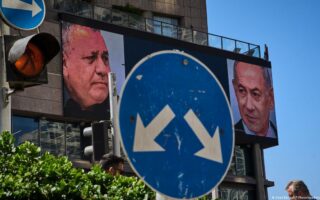
Overnight, both Netanyahu and Eisenkot addressed supporters and pledged to form the next government. Netanyahu told celebrating supporters that the right-wing bloc holds a clear, decisive majority among the Zionist and Jewish public, while stopping short of declaring victory. He emphasized the need for a strong, national, right-wing government. Eisenkot told his Yashar party that the public chose change, declaring that the coalition of failure lost the people’s trust and vowing to work with partners to establish a stable Zionist government that brings the country back together.
Deep societal divisions have been underscored by the election, serving as referenda on Netanyahu’s leadership—as he faces a corruption trial on charges he denies—and on what kind of country Israel should be. Over the past four years, the current coalition has steered the nation on a hardline religious and nationalist trajectory, sparking mass protests over judicial overhaul plans prior to the October 7, 2023, Hamas-led attacks that triggered wars in Gaza, Lebanon, and Iran. Many Israelis desire a nation anchored more firmly in liberal and secular values, yet voting patterns remain largely unchanged.
Professor Tamar Hermann of the Israeli Democracy Institute told BBC News that the relative weight of the pro-Netanyahu and anti-Netanyahu sides remains about the same, noting that people expected Netanyahu to be toppled after October 7th, but it did not happen. Major Israeli parties have already begun intense political wrangling to form a new coalition. Veteran Israeli journalist and author Yaakov Katz told BBC News that each side will try to pull over defectors or attempt to form a minority government using political wizardry, though the process could take weeks or months.
Next Steps in Government Formation
Short of pursuing a unity government, winning over smaller parties with promises of cabinet positions, budgets, or specific policies may be Netanyahu’s only option, though opposition parties ran on an “anyone but Netanyahu” platform. A key question is whether the main opposition change bloc is ready to break a taboo by seeking a political deal with Arab parties. Right-wing politician Avigdor Lieberman stated on the campaign trail that he would not sit in a minority government relying on Arab support, reflecting heightened mistrust since the October 7 assault.
Mansour Abbas, head of the smaller Arab list Ra’am, told BBC News that after previously serving in the diverse coalition that temporarily unseated Netanyahu between 2021 and 2022, he wants to join the next government and believes potential partners will be more open to an alliance. Meanwhile, Netanyahu and his allies have launched an intense campaign of delegitimising Arab parties and casting fellow citizens as a threat from within.
Final results will be presented next week to Israel’s largely ceremonial president, Isaac Herzog, who will consult leaders of elected parties and ask the candidate most likely to form a coalition to do so. If that candidate fails to pull together a majority within a maximum of six weeks, other candidates may be given a chance. If no one succeeds in forming a government, a new election will be held in the following months, while Netanyahu’s current government remains in a caretaker role without the authority to enact major policy changes.