Table of Contents
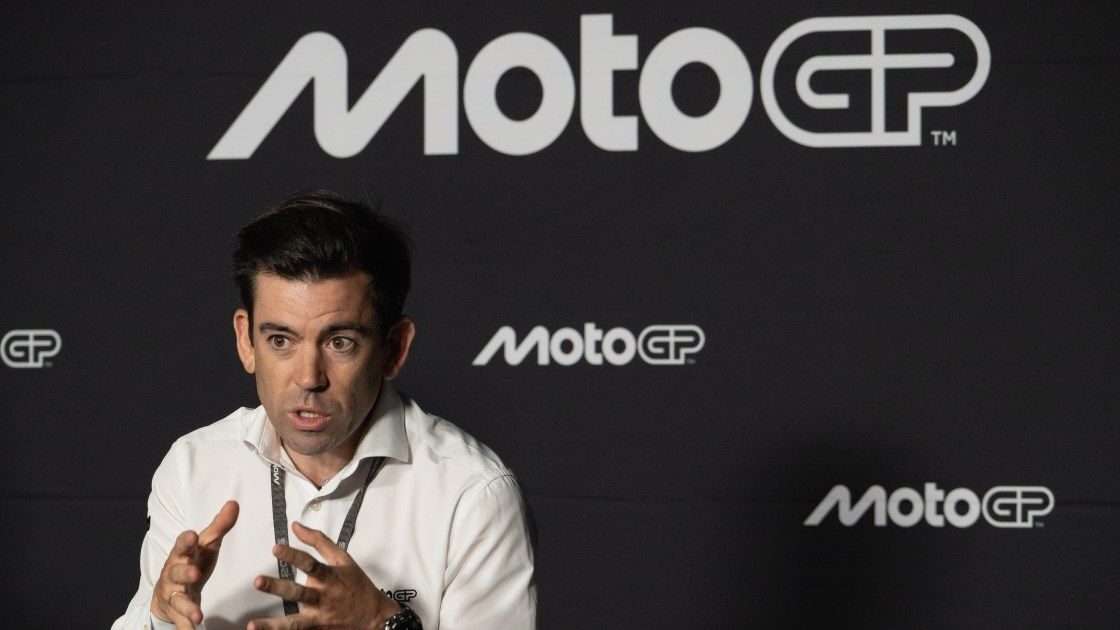
MotoGP deputy chief Carlos Ezpeleta defended the decision to proceed with the Qatar Grand Prix despite rider concerns over traveling to the Gulf region amid the United States-Israel war on Iran. Speaking to the Reuters news agency, Ezpeleta revealed that championship organizers based their choice on official information from the Qatari government and embassies with a large paddock presence.
Regional Conflict and Planning
The race was originally postponed from April to November 6–8 because of regional conflict, and Ezpeleta stated that organizers would have canceled or postponed it again if the situation worsened. He emphasized that proceeding was unequivocally the right call, noting that while rider concerns were normal, management worked to mitigate and confront them as best as possible. He stressed the importance of relying on official information and real intelligence over media speculation and disinformation, which he blamed for generating substantial noise around the event.
While several sporting events in Saudi Arabia were recently canceled or postponed following Houthi attacks on Riyadh’s international airport that killed at least 12 people and wounded over 300, Ezpeleta pointed out that Qatar experienced no such impact. Planning for the race accelerated after conditions improved during June and July.
Yamaha Withdrawal and Sporting Implications
Despite the successful staging of the event, Yamaha withdrew from the Qatar Grand Prix due to company-wide travel restrictions for the Middle East. Neither the factory team nor the satellite team Prima Pramac competed, cutting the starting grid to 18 riders. Ezpeleta admitted that the choice took organizers by surprise given the extensive detail and planning involved in assessing the situation and answering all of Yamaha’s questions. Describing Yamaha as a historically great partner, he acknowledged that the decision was likely difficult for them to make.
MotoGP previously indicated that Yamaha’s absence carried sporting consequences to be handled by FIM, the governing body of motorcycle racing, while contractual matters would be managed directly by MotoGP. Ezpeleta declined to speculate on potential penalties, reiterating that full-season commitment from all riders and teams is a core strength of the championship. Yamaha’s Moto2 team did travel to Qatar for the event, where title contender Izan Guevara suffered a technical issue and failed to finish.
Communication and Future Outlook
The situation highlighted questions regarding communication between MotoGP management and riders, prompting Ezpeleta to concede that stakeholder relationships require improvement. Comparing the situation to the 2011 race in Japan held following the Fukushima nuclear disaster, he noted that both events faced controversy driven by misinformation rather than facts.
On the track, Aprilia rider Marco Bezzecchi won the Qatar Grand Prix, while Ducati sprint winner Marc Marquez finished second to extend his championship lead to 60 points with two rounds remaining.