Table of Contents
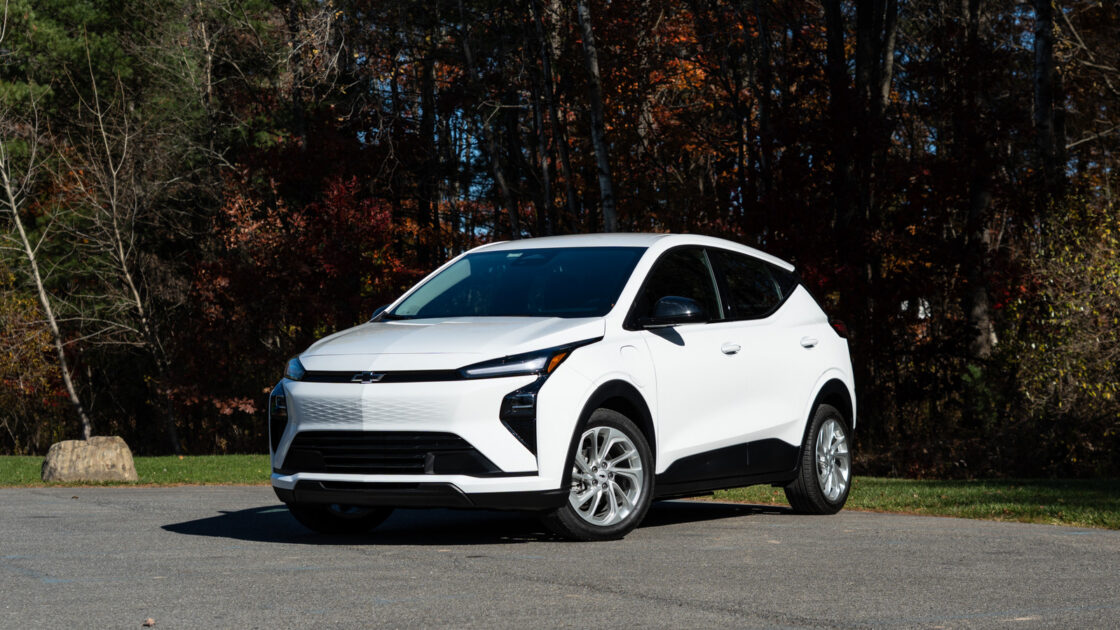
The Chevrolet Bolt has returned as the cheapest electric vehicle on the American market, priced at $28,995 including destination fees. As reported by Engadget, this 2027 edition offers an affordable, no-frills battery-powered option that sits roughly $10,000 below the price of the original model.
Electrification History and Return
Chevrolet entered the modern electric vehicle landscape with the EV1 in 1996 and the Volt in 2010. The first-generation Bolt launched in 2016 at under $40,000, followed by a second-generation model and the Bolt EUV in 2021. However, battery fires and a subsequent massive recall temporarily halted production.
The 2027 edition features an entirely new 65-kilowatt-hour lithium iron phosphate (LFP) battery pack, delivering an EPA-estimated range of 262 miles for the tested LT trim. Its single electric motor sends 210 horsepower and 169 pound-feet of torque to the front wheels. The vehicle now charges via a North American Charging Standard (NACS) port, ensuring built-in access to Superchargers.
Interior Design and Practicality
The tested car included a $995 Comfort Package adding heated front seats and a steering wheel. Hard plastics dominate the cabin alongside textured rubber, though patterned lines on the doors, storage cubbies, and upholstery add visual interest. The second row features a flat floor and a 60/40 split rear seat that expands cargo space to 56.3 cubic feet.
Unlike many modern vehicles, the dashboard retains physical buttons for climate controls, seat heating, and the lane-departure system. The steering wheel also utilizes traditional buttons and rollers rather than capacitive touch controls.
Software and On-Road Performance
An 11.3-inch touchscreen runs Chevrolet’s Android Automotive-based system, featuring built-in Google Maps and the Google Play Store. The vehicle lacks Apple CarPlay and Android Auto, requiring owners to stream via Bluetooth for unsupported media apps. Engadget noted that the software can feel sluggish despite Google’s Gemini AI assistant integration.
On the road, the Bolt delivers punchy acceleration and responsive handling for city driving, though acceleration flattens near highway speeds. Adaptive cruise control and auto-dimming headlights function well, while the lane-keep assist system struggles to identify road markings. Hands-free Super Cruise is available, but only bundled within a $6,600 option package.
Production Timeline
Mixed testing yielded an efficiency of 4.0 miles per kilowatt-hour, matching the official 262-mile range estimate. Engadget reported that Chevrolet will end production of the Bolt early next year, leaving buyers a limited window to purchase the budget-friendly hatchback new.