Table of Contents
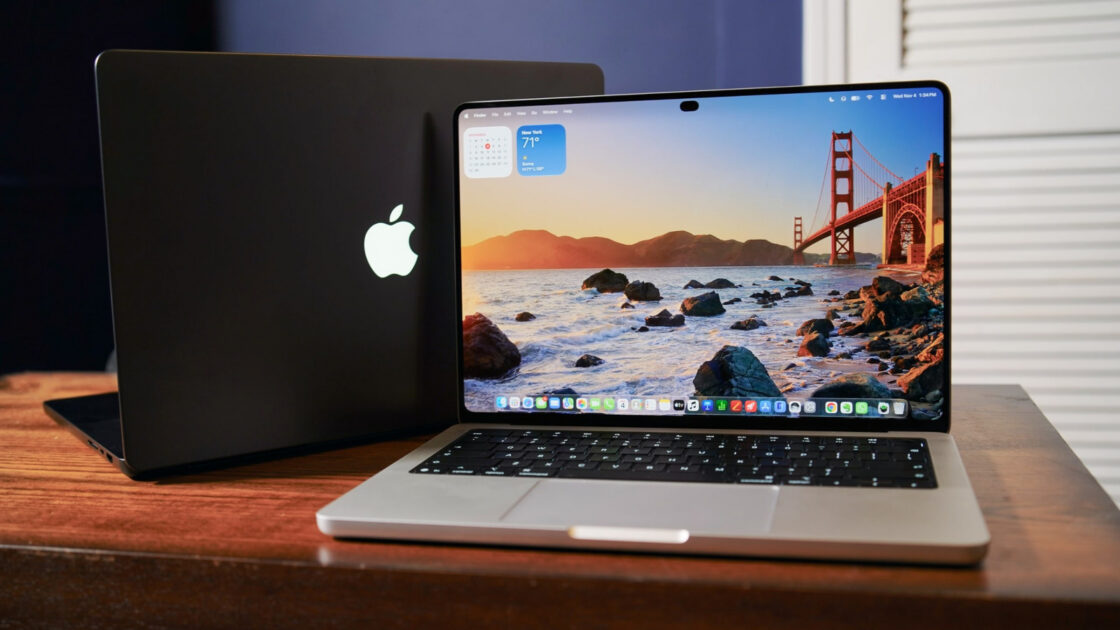
Apple has introduced its new high-end laptops, featuring a total redesign that brings OLED screens and a much lighter build to the lineup. As Engadget reports, the MacBook Pro with PROLED XDR Display marks a notable evolution for Apple’s premium computers, though it also comes with a substantially higher price tag.
Design and Display Innovations
The standout feature of these new machines is the PROLED XDR screen, an OLED display that offers slightly larger sizes of 14.2 inches and 16.3 inches respectively. These screens achieve up to 2,000 nits of peak HDR brightness and 1,000 nits of sustained full-screen brightness with a 10,000,000 to 1 contrast ratio. Both models are significantly slimmer and lighter, with the 14-inch version dropping to 3 pounds from 3.7 pounds, and the 16-inch version reducing from 4.7 pounds to 4 pounds. This weight reduction is achieved through the lighter OLED panels and a reworked cooling and internal component design. Additionally, the laptops incorporate a Dynamic Island at the top of the screen to house webcams and support Spotlight and Live Activities.
Performance and Touchscreen Integration
Despite the physical redesign, the laptops run on the same M5 Pro and M5 Max chips as previous models, delivering identical benchmark performance. Engadget notes that the 14-inch review unit with an M5 Pro and 48GB of RAM achieved a single-core Geekbench 6 score of 4,217 points. Battery life reached around 12.5 hours for the 14-inch model during standard workflows, while the 16-inch model ran for 10 hours and 15 minutes during a real-world coding benchmark script. The introduction of basic touchscreen support in macOS allows users to swipe, scroll, and interact with applications like mouse clicks, with support from creative partners such as Adobe and BlackMagic, though without Apple Pencil capability.
Pricing and Buying Considerations
The new computers carry a significant price increase, with the 14-inch model starting at $2,899 ($900 more than the standard version) and the 16-inch model priced at $3,399 ($400 more than the regular variant). Engadget points out that the 16-inch model represents a better relative value due to its smaller price jump, whereas the 14-inch premium is difficult to justify unless buyers specifically require the absolute lightest design. Users with recent M-series MacBook Pros have no urgent need to upgrade, as their current machines maintain comparable speeds and display quality.