Table of Contents
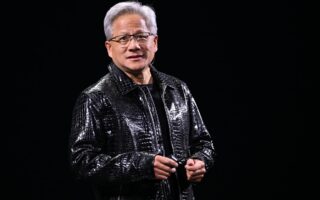
Nvidia CEO Jensen Huang has resigned from the company he co-founded 33 years ago, plunging the tech giant into crisis and the artificial intelligence market into chaos. The departure follows reports of two extramarital affairs, including one with an alleged Chinese spy, prompting a board investigation into his behavior and potential national security implications.
Leadership Vacuum and Market Turmoil
The company’s board has appointed Chief Financial Officer Colette Kress as interim CEO and named Harvey Jones as chairman, leaving leadership in the hands of a team where Huang previously operated as a singular figure without a designated second-in-command. Nvidia has not responded to multiple requests for comment regarding the situation.
Former Cisco CEO and startup investor John Chambers told CNBC’s “Fast Money” that a company’s handling of such a crisis determines its future and whether it can remain a great organization beyond a single person. The executive shakeup compounds a tumultuous stretch for Nvidia, whose stock is heading toward its sixth consecutive weekly drop—the longest losing streak since 2012. This includes a 9% slump following midterm elections that resulted in sweeping Democratic victories and ballot measures that could impede new data center developments.
Despite the turmoil, Nvidia is scheduled to report quarterly results, with analysts projecting 92% year-over-year revenue growth to $109.2 billion, according to LSEG. This represents an 18-fold increase from the same quarter in 2022 just before OpenAI launched ChatGPT.
Central Role in the AI Boom
Huang built Nvidia from a niche video game chip provider into the most valuable player in AI and a crucial asset for American national defense. As CEO, he became the ultimate decider on how graphics processing units were allocated among major hyperscalers like Amazon, Google, Meta, and Microsoft, alongside developers like OpenAI. He also directed compute capacity to neoclods such as CoreWeave and Nebius, while firms like Oracle and Elon Musk’s xAI invested heavily in GPUs to build their infrastructure.
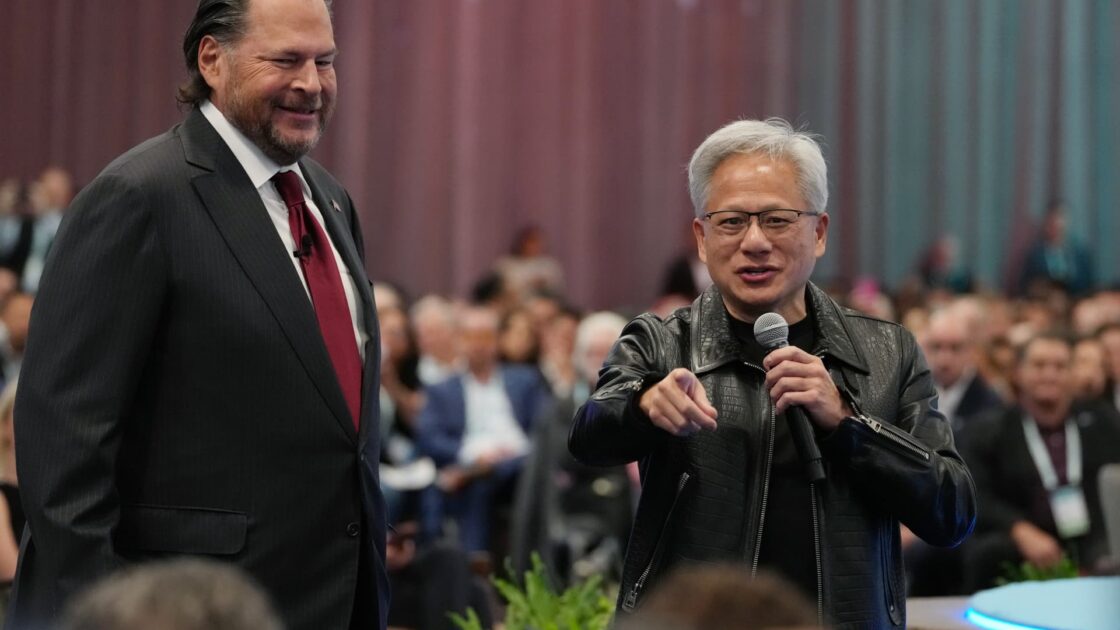
Industry figures praised his foundational role in the technology sector. Axe Compute CEO Chris Miglino told US Top News and Analysis that Huang created the product that started the industry and advanced AI chip technology by years. Salesforce CEO Marc Benioff praised him at a conference, while Deutsche Telekom CEO Tim Höttges noted that a photo with Huang generated more media coverage than an iPhone launch. In May, Huang accompanied President Donald Trump on Air Force One to China and later announced a $500 billion artificial intelligence buildout plan at the Nasdaq.
National Security Concerns and China Ties
Huang’s ambitions in China ultimately became a point of vulnerability. Following export controls implemented during Donald Trump’s second term, intelligence assessments cited by The New York Times identified the woman involved in one of the affairs as having been recruited by China’s Ministry of State Security to gather information on Huang. She had business connections to Megaspeed International, a Singapore-based cloud firm facing scrutiny over suspected facilitation of restricted Nvidia chips to China.
U.S. lawmakers quickly raised alarms, demanding investigations and Huang’s resignation. Senator Kevin Cramer told US Top News and Analysis that the situation left the executive dangerously vulnerable to extortion and blackmail, creating unacceptable national security risks.
Personal Impact and Dealmaking Control
Within the company, dealmaking and project financing relied heavily on Huang’s direct sign-off. Sources told US Top News and Analysis that partners frequently had to wait for his plane to land before learning if terms were finalized. Beyond major contracts, Huang maintained direct relationships with founders, occasionally using his position to assist startups during difficult periods.
Tomás Puig, founder and CEO of Alembic, told US Top News and Analysis that after the collapse of Silicon Valley Bank in 2023, Nvidia prepaid two years of invoices so his startup could keep operating and retain employees. Even amidst his recent scandals, sources noted that Huang emailed the CEO of AI infrastructure startup Fireworks AI to check in and offer assistance as the company dealt with cyberattacks.
Nvidia’s quarterly earnings report is scheduled for Tuesday.